


Understanding Eel Nutrition Labels for Commercial Buyers
As a food importer, you’ve likely seen two packages of frozen unagi kabayaki side-by-side with surprisingly different nutrition panels. One might list lower calories, while the other shows significantly less sodium. This variance isn't an error; it’s a direct result of how the product is prepared, portioned, and labeled. Understanding the factors that influence eel nutrition data is essential for making informed purchasing decisions, ensuring product consistency for your clients, and accurately representing your product to end-consumers.
My role in quality assurance for over a decade has involved guiding clients through the complexities of international food standards. A common point of confusion is the nutrition label. The key is to look beyond the top-line numbers and understand what they represent: the base product, the added ingredients like glaze, and the declared serving size. This knowledge helps you compare suppliers apples-to-apples and source a product that truly meets your market's needs.
How Glaze, Serving Size, and Sodium Skew Nutrition Facts
The nutritional profile of prepared eel products, especially unagi kabayaki, is heavily influenced by three factors: the serving size, the amount and composition of the glaze, and the processing method. A plain, white-roasted eel fillet has a fundamentally different profile from one that has been glazed multiple times with a sweet and savory sauce. For foodservice buyers and importers, dissecting these differences is key to product selection.
Let's break down how these elements change the numbers on a standard Nutrition Facts label.
| Label Component | Impact on Nutrition Data | What This Means for Buyers |
|---|---|---|
| Serving Size | Manufacturers can set their own "suggested" serving size. A smaller listed serving size (e.g., 80g vs. 120g) will naturally show lower calories, fat, and sodium per serving, even if the product composition is identical. | Always normalize for weight when comparing products. Calculate the nutritional values per 100g for a true one-to-one comparison between different suppliers. Don't be misled by a low-calorie claim based on an unrealistically small serving. |
| Glaze (Kabayaki Sauce) | The sweet eel sauce (unagi tare) adds significant sugar and carbohydrates. Our 4-layer coating process ensures deep flavor, but each layer adds to the total sugar content. A heavily glazed product will have higher calories and carbs than a lightly glazed or unglazed (shirayaki) version. | Request the glaze-to-meat ratio or the Brix level (sugar content) of the sauce. This helps you understand the flavor profile and nutritional impact. At Eelpro, we can customize glaze levels to meet specific dietary or taste requirements for large orders. |
| Sodium Content | The primary source of sodium in kabayaki is the soy sauce used in the glaze. The amount of glaze, the sodium level of the soy sauce itself, and any other salted ingredients directly impact the final sodium number. | If you are targeting health-conscious markets like the US or EU, inquire about options for lower-sodium formulations. We have experience developing custom sauces to meet specific sodium targets for restaurant chains and importers. |
| Fat Content | Eel is naturally rich in healthy fats like Omega-3s. However, the roasting process can alter the final fat content. Our patented low-fat roasting technology is designed to render out excess fat while retaining moisture and flavor, resulting in a cleaner taste and potentially lower total fat compared to conventional methods. | Ask potential suppliers about their processing technology. A more advanced roasting process can deliver a better texture and a more favorable nutritional profile, a key selling point for premium foodservice channels. |
By asking these targeted questions, you move from being a passive buyer to an informed partner, ensuring the product you import aligns perfectly with your business goals and customer expectations.
A Buyer's Decision Checklist for Sourcing Frozen Eel
When evaluating a new frozen eel supplier, a systematic approach prevents costly mistakes and ensures you partner with a manufacturer capable of meeting your quality and compliance needs. Before issuing a purchase order, use this checklist to vet potential suppliers. This process protects your investment and your brand's reputation.
-
☐ Verify Core Certifications: Does the supplier hold internationally recognized food safety certifications?
- Must-Haves: ISO 22000:2018 and HACCP are the global standards for food safety management.
- Market-Specific: Do you require HALAL certification for your target market?
- Action: Request copies of current certificates. At Eelpro, all our certifications are readily available for client verification.
-
☐ Scrutinize Traceability and Raw Material Sourcing: Can the supplier trace the product from the final package back to the farm?
- Key Questions: How many farms do you source from? Are they registered for export? What controls are in place for feed and water quality?
- Our Standard: We manage a network of approximately 20 customs-registered eel farming bases, enabling full-chain control from farming registration through to final shipment. This ensures a stable supply of over 5,000 tons of high-quality raw eel annually.
-
☐ Inquire About Production Capacity and Lead Times: Can the facility handle your volume requirements without sacrificing quality?
- Metrics: What is the annual production capacity? What is the standard lead time from order confirmation to shipment?
- Our Capability: With two modern production lines, we have an annual capacity of 4,000 tons. Our standard delivery time is approximately 30 days, which can be negotiated based on order specifics. Our 1,000-ton cold storage facility ensures product is held at optimal temperatures before dispatch.
-
☐ Assess Quality Control Infrastructure: What systems are in place to detect and prevent contamination?
- Look For: An in-house laboratory for microbiological and residue testing, metal detectors at critical control points, and a dedicated QC team.
- Our System: We employ 25 technical and quality-control specialists and operate our own professional in-house laboratory to ensure every batch meets stringent export standards for markets like Japan and the EU.
-
☐ Discuss Customization and MOQs: Can the supplier meet your specific cutting, packaging, and recipe needs?
- Points to Clarify: What are the options for custom cuts (slices, dice, shreds)? What are the Minimum Order Quantities (MOQs) for different product types and export clients?
- Our Flexibility: We offer a wide range of custom cuts and have differentiated MOQ policies for different client types, which are always negotiable based on the specific order.
How Processing and Technology Define Final Product Quality
The nutritional label tells part of the story, but the processing technology behind the product determines its taste, texture, and safety. Two fillets with similar nutrition facts can offer vastly different dining experiences. This is where a supplier's investment in modern equipment and process control becomes a critical advantage for importers.
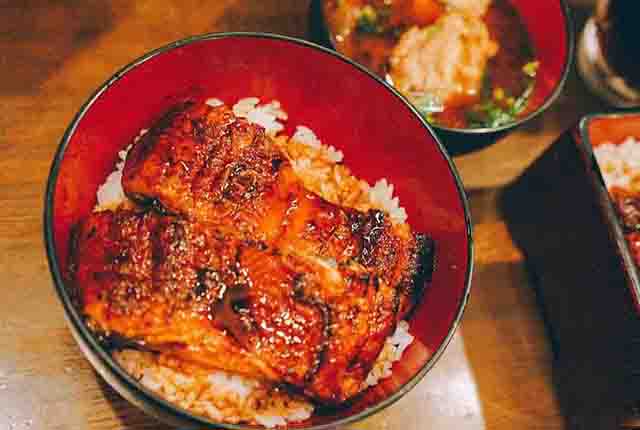
For example, our roasting process is not a simple one-step heating. It is a meticulous, four-stage application of sauce, with precise temperature control at each step. This method, which we’ve standardized into 'white-roasted color' and '1st-through-4th soy-sauce coating color' benchmarks, ensures a deep, caramelized flavor that penetrates the fillet without burning the delicate surface. This is a level of detail that directly impacts the end-consumer's satisfaction.
Furthermore, we've invested in patented solutions to common quality challenges in eel processing:
- Low-Fat Roasting Technology: This system is engineered to render a higher percentage of excess fat during the cooking process. This not only contributes to a more appealing eel nutrition profile but also prevents a greasy mouthfeel, resulting in a cleaner, richer umami taste.
- Deodorizing Equipment: Freshwater eel can sometimes have a subtle earthy or "muddy" undertone. Our patented deodorizing equipment uses a specialized process to remove these off-notes from the raw material before it ever reaches the roasting line. This guarantees a consistently clean and pleasant flavor in every shipment, a crucial factor for high-end restaurant clients in Japan and the United States.
These technological advantages, combined with our full-chain traceability, allow us to produce high-quality frozen seafood that meets the stringent requirements of global markets. We apply these same export-grade standards to all our products, ensuring consistency whether the destination is a catering chain in Southeast Asia or a distributor in Germany.
For foodservice operations, these processing details translate directly to back-of-house efficiency. Our products are boneless and ready-to-heat, with standardized cuts that eliminate the need for costly and time-consuming prep work in the kitchen. This is a significant value proposition for any commercial food business.
By understanding the details behind the eel nutrition label and the processing technology, you can source a product that delivers on safety, consistency, and flavor. It’s about building a partnership with a manufacturer committed to quality at every step.
For a detailed product specification sheet or to discuss your specific import requirements for frozen unagi, please contact our export team.