


Eel BBQ Compared Across Korean and Japanese Styles
Should a menu use a glossy Japanese-style fillet over rice, or a smoky Korean-style grilled eel served for sharing? The answer affects your cut specification, sauce program, kitchen workflow, and guest expectations. For buyers evaluating eel bbq, the Korean and Japanese formats may use freshwater eel, yet they create very different plates.
Japanese kabayaki is generally recognized by a sweet-savory soy-based glaze, a polished appearance, and rice-focused serving. Korean grilled eel, often described as jangeogui, can lean toward soy-based, spicy, or lightly seasoned profiles and is commonly positioned as a shared grill item with accompaniments. These are useful working categories, not fixed rules. Individual restaurants, regions, and chefs may prepare either style differently.

Start With the Dining Occasion Rather Than the Country Label
Choose Japanese kabayaki when the menu needs portion control, visual consistency, and fast rice-bowl assembly. The format suits sushi counters, Japanese restaurants, retail meal kits, and delivery concepts where the guest expects a glazed eel fillet with rice. A prepared frozen fillet can reduce trimming and sauce handling at store level. This does not automatically suit a restaurant that sells grill-side theater or offers multiple banchan-style side dishes.
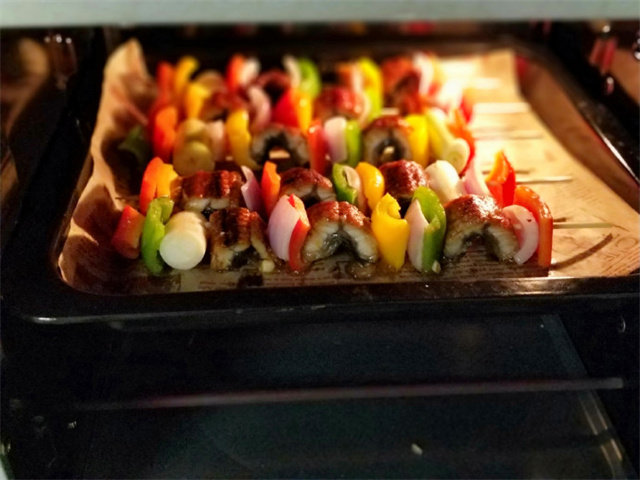
Choose a Korean-style grilled presentation when sharing, customization, and grill aroma drive the guest experience. The format fits Korean barbecue restaurants, Asian fusion concepts, and dinner menus where diners order several plates for the table. It can accommodate different marinades and side dishes more easily than a fixed rice-bowl format. Its limit is operational: a live-grill presentation may demand more skilled finishing, more extraction capacity, and tighter timing during busy service.
For menu planners, the key observation is simple: Japanese and Korean eel formats solve different service problems. One favors repeatable plating. The other can favor interaction and menu flexibility. This is not evidence that one style is replacing the other. It is a practical distinction that helps buyers avoid sourcing a product format that does not match their kitchen.
Comparison of Cuts Marinades Grilling Sauces and Serving Formats
The table below separates common format choices. It is designed for early-stage buyers comparing product specifications before requesting samples. Actual recipes vary by supplier and operator, so use it as a briefing tool rather than a universal standard.
| Decision area | Japanese kabayaki direction | Korean grilled eel direction | Buyer implication |
|---|---|---|---|
| Eel cut | Often supplied as a broad, recognizable fillet or portion suited to rice bowls and sushi applications. | May be portioned for grilling, sharing, wraps, or mixed platters. | Select broad fillets for a signature center-of-plate visual; select smaller cuts when sharing or mixed dishes matter more. |
| Marinade | Usually centered on a sweet-savory soy profile applied as a glaze. | May use soy-based seasoning, spicy seasoning, or a lighter seasoning approach depending on the concept. | Choose a fixed marinade for chain consistency. Choose a more neutral or adaptable item if the kitchen will apply its own house flavor. |
| Grilling method | Typically focuses on reheating and finishing a pre-roasted, glazed product while preserving a glossy surface. | Often emphasizes grill marks, surface aroma, and cooking-stage seasoning. | Pre-roasted formats suit limited kitchen space; grill-finished service suits concepts that can manage active cooking during peak periods. |
| Sauce | Unagi tare is usually applied as the defining flavor and visual finish. | Sauce may be brushed during grilling, served on the side, or varied by guest preference. | Lock the sauce specification early. Sauce sweetness, viscosity, and application method can change the final plate more than the country label. |
| Serving format | Rice bowls, sushi, bento meals, or plated Japanese entrées. | Shared grill plates, lettuce wraps, rice accompaniments, and side-dish combinations. | Match pack size and cut style to whether the kitchen serves individual portions or table-sharing orders. |
| Guest expectation | Polished, sweet-savory, familiar Japanese restaurant presentation. | Grilled aroma, contrast with side dishes, and a more interactive meal. | Use menu testing if your audience is unfamiliar with either format; naming alone may not explain the flavor expectation. |
Cold fact for buyers: “Korean style” does not necessarily mean spicy, and “Japanese style” does not necessarily mean every item must be served over rice. Those labels describe useful culinary directions, but the cut, sauce, and final service method determine the operational result.
For a classic Japanese menu direction, review our unagi kabayaki product specifications alongside your intended bowl size, rice portion, and plating method. For operators that want to create a proprietary finish, the choice of base item and sauce system should be evaluated together.
How Sauce Choice Changes the Product Positioning
Use a standardized tare when repeatability is the first priority. A defined sauce gives multi-location operators a consistent sweet-savory profile and recognizable glaze. This approach fits Japanese restaurant chains, prepared-food counters, and importers supplying foodservice customers that need uniform results. It is less suitable when chefs want the eel itself to carry a lighter flavor or when a Korean barbecue concept needs several distinct sauce options.
Eelpro produces frozen unagi kabayaki and eel sauce for buyers working with Japanese-style menu formats. Our roasting process uses four precise layers of soy sauce with temperature-controlled steps, supported by internal color standards from white-roasted eel through the first to fourth coating stages. That matters when a buyer needs the appearance and sauce coverage to remain consistent across orders, rather than relying on a kitchen team to build every layer from scratch.
Use a separate finishing sauce when menu differentiation is the first priority. This approach works for Korean barbecue operators, fusion kitchens, and chef-led concepts that want to offer a mild soy version beside a spicier or more aromatic option. The trade-off is additional prep, recipe control, and staff training. A menu with three sauces may create excitement, but only if each location can execute them consistently.
Buyers assessing a sauce program should request answers to these questions:
- Will sauce arrive applied to the eel, packed separately, or both?
- Is the desired plate glossy and lacquered, lightly brushed, or sauce-on-the-side?
- Will the product be reheated and served immediately, or finished over an open grill?
- Does the menu need a stable signature flavor across multiple locations?
- Will the sauce be used only on eel, or also on rice, vegetables, and other proteins?
A separate sauce can also create purchasing flexibility. Buyers can compare an eel sauce product page with the intended eel cut, then decide whether a prepared kabayaki item or a more customizable grill format better fits the concept.
Match the Product Specification to the Kitchen Workflow
For fast-service Japanese bowls, prioritize boneless or deboned portions, predictable cuts, and ready-to-heat packaging. The reasoning is direct: the line needs to assemble rice, eel, and garnish with little knife work. This fits delivery kitchens, bento programs, and high-volume lunch service. It does not solve every issue for an open-grill restaurant, where the final char and aroma may be part of the value proposition.
For Korean-style grilled service, prioritize a format that tolerates final grilling and works with your table or kitchen presentation. The objective is not simply to heat the eel. It is to create a plate that stands up beside side dishes, rice, vegetables, and shared proteins. This fits full-service Korean restaurants and Asian barbecue concepts. It may not be the right choice for a small operator without enough grill capacity or trained staff to manage the final finish.
A practical specification procedure before requesting a quote
- Define the plate first. Write down whether the dish is a bowl, sushi topping, bento item, shared grill plate, wrap, or appetizer.
- Select the cut. Consider whole fillet appearance, sushi slices, strips, diced eel, chunks, or a three-section cut based on portioning needs.
- Choose the flavor control point. Decide whether the supplier applies the sauce, the kitchen finishes it, or both steps are used.
- Map the service path. Identify who thaws, reheats, grills, portions, and plates the item during service.
- Set the packaging requirement. Confirm whether individual portions, foodservice packs, skin packaging, or gift-box formats suit the channel.
- Request samples against a written brief. Compare color, cut consistency, sauce coverage, aroma, and plating performance using the same kitchen method.
Eelpro can provide custom cutting such as shredding, dicing, strip-cutting, chunk-cutting, three-section cuts, and sushi slices. This is especially useful when one importer serves both Japanese restaurants and broader Asian foodservice accounts. Still, custom cutting should follow a confirmed menu use. More format options do not help if the buyer has not standardized portions and packaging needs.
Common Buying Mistakes When Comparing Asian Grilled Eel
- Buying by cuisine name alone. “Japanese” or “Korean” is not a finished specification. Confirm cut, sauce, heating method, and service style before comparing quotations.
- Ignoring the final heat source. A product intended for quick reheating may perform differently when heavily grill-finished. Test it under your actual kitchen conditions.
- Comparing only fillet weight. The operational value also depends on deboning, trimming, sauce application, portion format, and labor required at the outlet.
- Using one sauce for every audience without testing. A deeply sweet glaze may suit a kabayaki bowl but not a Korean sharing plate built around several savory side dishes.
- Skipping traceability questions. Eel is an import-sensitive category. Ask how raw materials are controlled from farm through shipment, not only how the finished product looks.
- Assuming a sample proves every future order. Samples should be linked to an agreed written specification covering cut, sauce, packaging, and inspection requirements.
The safest conclusion is to buy for the finished dish, not for the dish name. A Japanese-style bowl may need a glossy, portion-ready kabayaki fillet. A Korean grill menu may need a product that supports finishing flexibility. The two concepts can even coexist in one menu if they use separate service logic and clear guest-facing descriptions.
Food Safety and Supply Questions That Affect Import Decisions
Flavor determines the menu fit. Supply control determines whether the program can scale responsibly. For export buyers, a supplier evaluation should include food-safety documentation, raw-material traceability, processing controls, cold storage, and the ability to reproduce the agreed product specification.
Eelpro holds ISO 22000:2018, HACCP, and HALAL certifications, along with an Export Food Producer Registration Certificate and an SC Food Production License covering quick-frozen prepared foods. We operate two modern production lines with annual finished-goods capacity of 4,000 tons and a 1,000-ton cold storage facility. These facts are relevant to buyers planning recurring imports, but they do not replace product-specific confirmation of documents, market requirements, packaging, and shipment arrangements.
Our supply chain includes approximately 20 customs-registered eel farming bases covering more than 2,150 mu, with traceability controls from farm registration through processing verification, targeted sampling, and shipment tracking. An in-house laboratory and metal detectors at critical control points support the quality-control process. Buyers who need visibility into this topic can review the eel lab of Eelpro before discussing an order specification.
Existing export experience provides useful scope, not a blanket promise. Eelpro has supplied kabayaki eel to Japanese restaurant chains and has exported unagi kabayaki and eel sauce to United States food importers. We also supply eel products to importers and foodservice channels in Germany, Poland, Australia, Indonesia, and Southeast Asia. Requirements differ by destination, so an importer should verify the current documentation and inspection needs for its own market.
A Buyer Checklist for Selecting the Better Style
Use this checklist before finalizing an RFQ. Each answer should point toward a concrete product and service decision.
- Who is the guest? Japanese-dining customers may recognize kabayaki more readily; shared-meal customers may respond better to a Korean grill presentation.
- What is the core dish? Select a broad glazed fillet for a centerpiece bowl, or adaptable cuts for platters, wraps, and side dishes.
- Where is flavor added? Buy finished kabayaki for standardized flavor, or choose a format that allows kitchen seasoning for menu flexibility.
- How much labor can the outlet absorb? Ready-to-heat products reduce back-of-house handling; grill-finished dishes may require more active labor.
- What must remain consistent? Identify whether the priority is sauce color, portion appearance, cooking aroma, or a proprietary recipe.
- What proof is needed for the market? Confirm certificates, traceability records, packaging information, and applicable food inspection requirements before shipment.
- What is the order plan? Eelpro’s regular order delivery time is approximately 30 days from order confirmation to shipment, subject to specification and quantity negotiation.
For buyers who need both Asian barbecue styles, the practical option may be a two-format range: finished kabayaki for rice bowls and a separately specified product for chef-finished grill plates. Test both against your own menu, rather than assuming one preparation can serve every channel.
Request a quote or sample plan from Eelpro with your target cut, sauce direction, packaging format, and intended Korean or Japanese menu application.
===