


Which Health Benefits of Eel Have Nutrient Evidence?
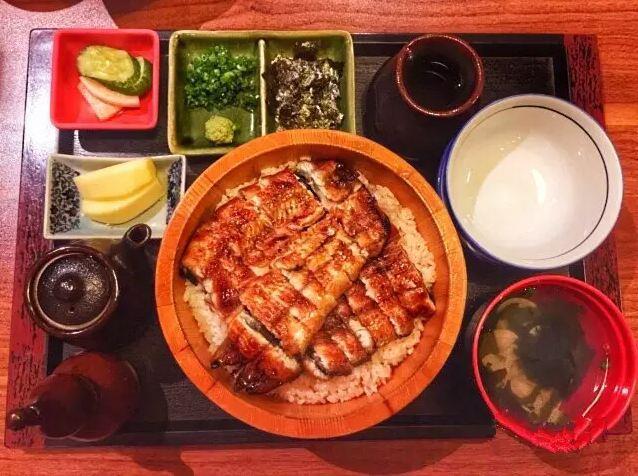
A glossy slice of kabayaki eel over warm rice can look like a healthy seafood choice, but what does the evidence actually support? The answer depends on the nutrient, the preparation method, and whether a claim refers to eel itself or to a general role of a nutrient in the body.
The health benefits of eel are often described with broad phrases such as “good for the heart,” “supports skin,” or “boosts immunity.” Some of these ideas have a reasonable nutrient basis. Others go beyond what human evidence can show. For health-conscious seafood buyers and menu planners, the practical task is to separate a verified nutrient contribution from a promise that no single food can make.
Start with the nutrient, not the marketing phrase
The most useful way to assess eel is to ask two questions. First, which nutrients does the specific product provide according to its nutrition information? Second, what does human research say about those nutrients when consumed as part of an overall dietary pattern?
Freshwater eel is commonly valued as a source of protein and fat-soluble vitamins, and eel can also provide dietary fats that include omega-3 fatty acids. However, nutrient levels can vary by eel species, farming conditions, cut, portion, recipe, glaze, and final packaging. A plain roasted eel portion and a sweet soy-glazed kabayaki portion should not be treated as nutritionally identical.
Clear conclusion: eel can fit a nutrient-aware menu, but it should be described as a food that contributes nutrients rather than as a treatment for a health condition.
Why this matters: a restaurant menu, retail label, or buyer presentation that says “supports heart health” may be interpreted as a medical outcome. The more accurate statement is that eel may contribute protein and certain fatty acids or vitamins, subject to product-specific nutrition data and serving size.
Best fit: menu planners who want a premium seafood protein option and buyers developing balanced Japanese, Asian, or seafood-led meal concepts.
Limit: nutrient content alone does not prove that eating a particular eel dish prevents disease, improves skin appearance, or changes immune response.
Common eel health claims compared with nutrient evidence
Below is the evidence distinction that broad benefit lists often omit. “Human evidence” refers to evidence for the nutrient or dietary pattern, not proof that a particular eel product produces the stated result.
| Repeated claim | Nutrient basis that may apply | What the nutrient is known to do | Level of human evidence | Practical limit for eel products |
|---|---|---|---|---|
| “Good for heart health” | Omega-3 fatty acids may be present, depending on the product. | Omega-3 fats have recognized roles in normal body function, and seafood consumption can be part of a heart-conscious dietary pattern. | Moderate for dietary-pattern and nutrient research; not specific proof for eel dishes. | Sweet glaze, sodium, portion size, and the rest of the meal can change the result. Do not present kabayaki as a heart treatment. |
| “Supports vision” | Vitamin A may be present. | Vitamin A contributes to normal vision and immune function. | Strong for the nutrient’s normal biological role; limited for claims that eel improves vision in healthy people. | Only a product nutrition panel can confirm the amount in a serving. More is not automatically better. |
| “Boosts immunity” | Vitamin A, vitamin D, protein, and other nutrients may contribute. | These nutrients participate in normal immune function and general nutrition. | Strong for essential nutrient roles; weak for broad “immune boosting” language tied to one food. | People with deficiencies, different diets, or medical needs require individualized advice. Avoid disease-prevention claims. |
| “Improves skin through collagen” | Protein is present; eel tissue may contain structural proteins. | Dietary protein supplies amino acids used throughout the body. | Limited for claims that eating eel improves skin elasticity or removes wrinkles. | Do not confuse protein in a food with evidence for a cosmetic outcome. |
| “Builds muscle” | Protein. | Protein contributes amino acids needed for tissue maintenance and repair. | Good for protein’s role within adequate diet and training; no reason to claim eel alone builds muscle. | Total daily protein intake, activity, energy intake, and recovery matter more than one menu item. |
| “Provides energy” | Protein and fat provide dietary energy. | Macronutrients provide calories used by the body. | Direct and well established. | This is not the same as proving improved alertness, endurance, or weight management. |
The key distinction is simple. A nutrient can have an established biological function without a finished eel dish having clinical evidence for a dramatic health claim.
For buyers, this wording protects both credibility and compliance. Use phrases such as “a source of protein” or “contains nutrients that contribute to normal body functions” only after confirming that local labeling rules and product-specific nutrition information support the statement. Do not turn general nutrient science into a disease claim.
Preparation changes the nutrition story more than many buyers expect
Preparation is not a minor detail. It can determine whether eel is positioned as a lightly seasoned seafood protein or as a richer, sauce-led rice bowl component.
Kabayaki eel is roasted and coated with a sweet soy-based sauce. This format is popular because the glaze adds shine, aroma, and a familiar sweet-savory finish. Yet sauce also changes the finished product’s sugar and sodium profile. That does not make kabayaki unsuitable for a balanced menu. It means menu descriptions should be accurate.
- Plain or lightly seasoned roasted eel: best for buyers who want diners to focus on seafood flavor and make nutrient-forward communication easier. This does not mean it is automatically low in calories or suitable for every diet.
- Kabayaki eel with glaze: best for Japanese rice bowls, sushi, bento, and restaurant menus where flavor consistency matters. The trade-off is that the finished dish includes sauce-related ingredients that require nutrition and allergen review.
- Eel with rice: best for a filling main meal. The combined dish provides protein, fat, and carbohydrate, but portion design determines the total energy and sauce load.
- Eel in sushi or small plates: best for controlled serving formats. The limit is that small portions may contribute less of any nutrient than a full entrée.
A useful menu-planning method is to treat eel and sauce as separate decisions. Select the eel cut and roasting format first. Then control the sauce portion, rice quantity, and vegetable side. Buyers sourcing tare can review our eel sauce product page when aligning glaze style with a menu concept.
Cold fact: “fish” is not a single nutritional category. Different species, cuts, recipes, and serving sizes can have very different nutrient and sodium profiles. A nutrition claim about one seafood product cannot simply be transferred to another.
How omega-3s, vitamins, protein, and sauce interact in a finished meal
Nutrition claims become misleading when they isolate one favorable attribute and ignore the finished plate. Eel is a good example because several factors interact.
Dietary fats are not the whole heart-health answer
Omega-3 fatty acids are often the headline nutrient in seafood discussions. Their presence may support a sensible seafood positioning, but a diner’s overall eating pattern remains the larger factor. A menu built around eel, vegetables, moderate sauce, and an appropriate grain portion communicates a different nutritional balance from an oversized sweet-glazed serving with few side components.
For menu copy, say what is verifiable. If the supplier’s nutrition specification confirms relevant fatty acids, the product can be assessed against local claim rules. If no fatty-acid analysis is available, do not estimate from a generic web article.
Fat-soluble vitamins require careful wording
Vitamin A and vitamin D are often associated with eel, but the right claim is about normal physiological roles, not instant results. Vitamin A contributes to normal vision and immune function. Vitamin D supports normal calcium absorption and bone-related functions. The vitamin D evidence base explains why deficiency status, total intake, and individual health context matter.
These claims fit an educational discussion of nutrient function. They do not fit statements such as “eat eel to cure low vitamin D” or “eel guarantees stronger immunity.” Product testing, serving size, and local regulations still decide whether a package can carry any nutrient claim.
Protein supports meal value, not miracle outcomes
Protein is one of the easiest benefits to explain accurately. It contributes to a satisfying main dish and supplies amino acids used in normal body maintenance. For foodservice, this makes eel useful in bowls, sushi, noodles, and prepared meals where the buyer wants a recognizable seafood center-of-plate protein.
The limit is equally important. Protein does not make a dish “weight-loss food,” and eel should not be marketed as a muscle-building shortcut. A person’s activity level, total diet, and portion pattern determine whether the meal fits their goal.

Buyer checks that prevent overstated health positioning
Whether you are selecting frozen eel for retail, foodservice, or a restaurant chain, use a document-based review rather than relying on broad wellness language.
- Request the finished-product nutrition specification. Review values for the exact SKU, glaze format, serving basis, and target market. Do not use data from a different eel cut or an unsauced product.
- Separate the eel from the full recipe. Calculate the finished dish after sauce, rice, toppings, and side dishes are included. This is especially relevant for kabayaki bowls.
- Check ingredients and allergens. Soy-based sauce systems may affect allergen declarations and menu suitability. Confirm requirements for your destination market.
- Use evidence-matched language. State “contains protein” only where verified. Avoid “anti-aging,” “detox,” “cures fatigue,” or “boosts immunity” claims that imply medical outcomes.
- Confirm traceability and food safety controls. Nutrition positioning does not replace supplier qualification. Ask how farming, processing, testing, and cold-chain handling are managed.
- Test the actual portion. A chef, buyer, or menu developer should review taste, glaze level, texture, and portion cost together. A nutritionally attractive concept that diners do not reorder will not succeed.
This checklist is most useful for private-label buyers, restaurant groups, and importers preparing product sheets. It is less relevant when the question is only whether eel can be enjoyed occasionally at home; in that case, balanced portions and preparation style are the practical focus.
What foodservice buyers can verify before adding eel to a health-conscious menu
A defensible menu needs both product quality and traceable documentation. At Eelpro Co., LTD, our facility holds ISO 22000:2018, HACCP, and HALAL certifications, along with export food producer registration. These controls address food safety and export readiness; they should not be presented as proof of nutritional or medical effects.
For sourcing confidence, we maintain full-chain traceability from farming registration through process verification, targeted sampling, and shipment tracking. Our supply network includes approximately 20 customs-registered eel farming bases covering more than 2,150 mu. An in-house laboratory and metal detectors at critical control points support product quality management.
These operational facts matter when a buyer needs consistent documentation for a repeat menu item. They do not change the rule on health claims: the final nutrition declaration and the applicable market regulations remain the deciding evidence.
Our two modern production lines have annual finished-goods capacity of 4,000 tons, covering frozen roasted eel and deep-processed aquatic products. We also operate a 1,000-ton cold storage facility to support storage quality and cold-chain logistics. For restaurant groups, standardized cuts and ready-to-heat formats can reduce back-of-house preparation work while keeping portioning consistent.
Japanese restaurant chains are among the established supply contexts for our kabayaki eel, while importers in the United States, Germany, Poland, Australia, Indonesia, and other Southeast Asian markets source eel products for foodservice and retail channels. These cases show export-market experience, not a universal nutritional claim or a guarantee that every SKU has identical composition.
When comparing formats, review the specifications of our unagi kabayaki product alongside intended serving size and sauce usage. Buyers developing broader seafood assortments can also consider our frozen seafood range for menu balance.
A practical wording guide for responsible eel menu claims
| Use with verification | Avoid unless legally substantiated | Reason |
|---|---|---|
| “Eel is a seafood protein option.” | “Eel builds muscle.” | The first is a product description; the second implies a guaranteed outcome. |
| “Nutrition information is available for this SKU.” | “Naturally cures nutrient deficiency.” | Product data can be checked; treatment language requires medical evidence. |
| “Kabayaki combines roasted eel with a sweet soy-style glaze.” | “Healthy for everyone.” | Recipe facts are verifiable; dietary suitability varies by person and portion. |
| “May fit a balanced seafood menu when portioned thoughtfully.” | “Anti-aging eel meal.” | The first recognizes the full meal context; the second overstates skin-related evidence. |
The best communication is specific and modest. Explain the product, provide accurate nutrition data, and let buyers decide how it fits their menu standards.
Request a product specification or sample to assess eel format, glaze level, and documentation for your health-conscious menu.