


How Do Anago and Unagi Differ on a Sushi Menu?
A glossy eel nigiri can look similar on the counter, yet the eating experience can be completely different. The real question behind anago vs unagi is not simply “saltwater or freshwater?” It is which eel gives your sushi menu the flavor weight, texture, color, and preparation style your guests expect.
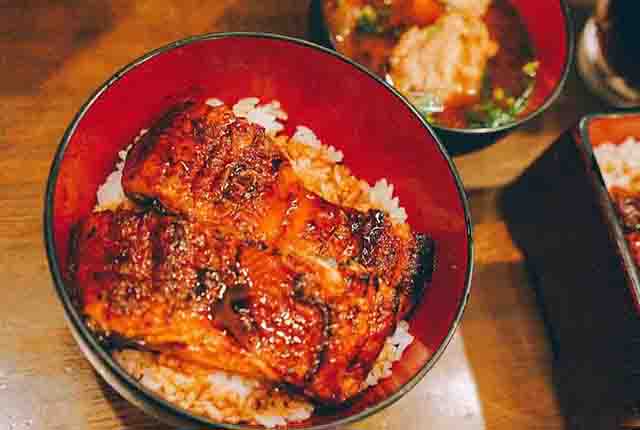
For a quick answer, anago is generally a marine conger eel with a lighter flavor and softer, more delicate finish. Unagi is generally Japanese freshwater eel, richer in fat, darker after kabayaki grilling, and more often served with a sweet-savory tare glaze. Both can work on sushi menus, but they suit different menu positions and preparation systems.
For sushi chefs and menu planners, the distinction affects more than terminology. It shapes portion appearance, rice balance, sauce use, kitchen labor, and whether the dish reads as light and refined or rich and indulgent.
Start with the menu result you want to serve
Choose anago when the intended result is a restrained, gentle nigiri that lets seasoned rice and a subtle finishing sauce remain noticeable. Choose unagi when you need a fuller-bodied topping with caramelized visual appeal and a familiar kabayaki profile.
This is the practical dividing line. A guest ordering anago often expects a soft marine eel flavor and a pale, lightly sauced presentation. A guest ordering unagi usually expects a richer grilled eel experience, often with dark tare and a more substantial bite.
- Choose anago for light nigiri service: It fits omakase-style progression, where heavier toppings are usually controlled so they do not dominate earlier courses. It is less suitable if the menu depends on a bold grilled appearance or a sauce-forward flavor.
- Choose unagi for high-recognition sushi items: Its sweet-savory grilled character works well in accessible nigiri, dragon rolls, rice bowls, and combination platters. It may not fit a menu seeking the cleanest, most delicate eel finish.
- Use separate menu descriptions: Calling both simply “eel” can confuse guests who have a strong preference for one style. State whether the item is anago or grilled unagi, and describe the preparation honestly.
A common misunderstanding is that anago is merely “unagi with less sauce.” That is not accurate. Their species group, habitat, natural fat character, and customary cooking treatment all influence the final sushi experience.
How species, habitat, fat level, color, and preparation shape sushi experience
The table below links the key product traits to the plate. These are broad culinary distinctions, not a substitute for checking the supplier’s actual species declaration, cut, seasoning, and preparation method.
| Parameter | Anago | Unagi | Effect on nigiri, rolls, and rice bowls |
|---|---|---|---|
| Species | Usually conger eel, commonly associated with Japanese anago dishes | Usually Japanese eel in Japanese cuisine | Species identity affects the expected flavor profile, texture, and guest expectation. Ask for the product specification rather than relying only on a menu name. |
| Habitat | Marine or saltwater environment | Freshwater eel, though its life cycle includes marine spawning | This difference helps explain why anago is usually presented as milder and unagi as richer. Habitat alone does not determine quality, so it should not be used as a quality ranking. |
| Fat level | Generally leaner and lighter | Generally higher in fat and richer | Leaner anago can feel lighter over sushi rice. Richer unagi gives a more filling bite and often stands up well to rice bowls and larger rolls. |
| Color after preparation | Usually pale beige to light brown, depending on simmering and sauce | Usually deeper brown with a glazed surface after kabayaki grilling | Anago creates a quieter, traditional nigiri presentation. Dark unagi provides immediate contrast on white rice and a stronger visual cue for casual sushi formats. |
| Common preparation methods | Often simmered, steamed, or gently cooked, then brushed with a lighter sauce | Often grilled in kabayaki style with repeated tare glazing | Anago favors a soft, delicate topping. Kabayaki unagi gives smoky-sweet depth and a firmer surface, useful when the eel must remain distinct in a roll or bowl. |
| Best menu role | Refined nigiri, omakase courses, lighter sushi sets | Nigiri, unakyu rolls, dragon-style rolls, donburi, and grilled eel sets | Use anago when subtlety is the selling point. Use unagi when recognition, glaze, and satisfying richness are the menu goal. |
The parameters interact. A richer eel combined with a thick sweet glaze can overpower lightly seasoned rice if the portion is too large. Conversely, a mild eel with very little finishing sauce may appear understated in a high-volume casual setting where guests expect immediate flavor impact.
That is why menu planning should begin with the finished bite, not with habitat alone. Decide what the guest should taste first: rice, eel, grilled sauce, or a supporting ingredient such as cucumber, avocado, or shiso.
Why preparation changes the difference more than many buyers expect
Raw material matters, but preparation often determines what the diner remembers. Anago is commonly valued for tenderness and a clean finish. Unagi is commonly associated with kabayaki, where grilling and sweet-savory tare create a darker surface and more concentrated aroma.
For frozen unagi, consistency in roasting and sauce coating matters because a sushi operation needs predictable color and flavor from portion to portion. Eelpro uses a four-layer soy-sauce coating process with defined color standards from white-roasted eel through the first, second, third, and fourth coating stages. This is useful for buyers seeking a repeatable kabayaki appearance rather than an unpredictable glaze level.
Our patented low-fat roasting and deodorizing technologies also support a cleaner finished profile for roasted eel products. That does not mean every menu should use a strongly glazed item. It means chefs can select a kabayaki format with a controlled roasted character, then adjust portioning and service around it.
Use sauce as a flavor tool, not a cover-up
Unagi tare should support grilled eel rather than hide poor rice seasoning or a dry reheated portion. For nigiri, use a controlled brush of sauce so the eel remains visible and the rice does not become soggy. For rolls and rice bowls, a slightly more noticeable finish can be appropriate because other ingredients dilute the eel flavor.
When planning sauce service, compare the finished item with and without added garnish. Sesame, scallion, cucumber, avocado, and mayonnaise-based toppings can all shift the balance. A useful reference is our kabayaki sauce article, which explains why sauce balance matters in grilled eel dishes.
For operators who need a matching condiment source, our eel sauce product page is relevant to kabayaki-oriented menus. It is not necessary for anago-focused nigiri where a lighter finishing approach may better suit the intended style.
Match each eel type to the right sushi format
The best choice changes by format. A product that performs well on a rice bowl does not automatically give the best nigiri experience. Use the following service guide before building the menu.
| Menu format | Recommended direction | Why it works | When it may not apply |
|---|---|---|---|
| Nigiri | Anago for a light, traditional finish; unagi for a richer, glazed option | Nigiri exposes the eel directly, so texture and sauce level are easy to notice. | Do not assume one is universally better. A casual menu may benefit from the stronger recognition of unagi. |
| Unakyu roll | Unagi | Rich grilled eel balances crisp cucumber, rice, and nori well. | If the concept requires a delicate marine-eel profile, anago can be tested, but the result will be less typical. |
| Dragon-style roll | Unagi | The dark glaze remains noticeable beside avocado and decorative toppings. | A very sweet sauce can make an already rich roll feel heavy, so control garnish and drizzle quantity. |
| Rice bowl | Unagi kabayaki | Its roasted flavor and glaze can season a larger volume of rice. | For a lighter lunch bowl, smaller portions and lighter sauce application may be preferable. |
| Omakase progression | Anago, often placed later but before very sweet dessert notes | Its soft texture can provide a gentle close to savory nigiri courses. | Sequence varies by chef. Do not treat this as a fixed rule for every sushi bar. |
For a restaurant launching an eel roll and an eel rice bowl at the same time, unagi kabayaki can simplify purchasing because one prepared product may support both formats. The trade-off is that the menu loses the lighter, more specialized anago position. A higher-end concept may therefore carry both, using anago for selected nigiri and unagi for sauce-led rolls or bowls.
Buying checks that prevent menu and sourcing mistakes
Do not choose based on a photograph alone. The same name can be presented with different cuts, glaze levels, and cooking states. A sushi chef needs details that show how the product will behave after thawing, reheating, slicing, and placing over rice.
- Confirm the species and product name: Ask whether the item is anago or unagi, then request the declared species information. This matters when the menu description promises a specific Japanese eel experience.
- Confirm the preparation state: Is the eel white-roasted, fully kabayaki glazed, simmered, or otherwise prepared? This determines labor needs and final color. A white-roasted product is not a direct substitute for finished kabayaki.
- Confirm cut and portion format: Request whether the product is supplied as fillets, strips, sushi slices, chunks, or other cuts. Eelpro can provide custom options including shredding, dicing, strip-cutting, chunk-cutting, three-section cuts, and sushi slices.
- Check sauce level before menu costing: A heavily glazed item changes perceived portion size and sweetness. Test it with your actual rice recipe, not plain rice from a separate prep batch.
- Review cold-chain and traceability documents: This is especially relevant for importers and multi-site restaurant groups. Product quality depends on controlled handling before it reaches the sushi counter.
One frequent mistake is treating “fattier” as automatically better. Higher fat can create a luxurious bite, but it can also feel heavy when paired with rich sauces, avocado, mayonnaise, or large rice portions. A leaner eel can be the better choice when the menu needs clean flavor separation.
Another mistake is treating dark color as proof of a superior roast. Dark color may come from repeated sauce application, grilling conditions, or both. It can be desirable for kabayaki presentation, but chefs should judge color together with taste, texture, aroma, and the way the topping sits on rice.
What foodservice buyers should verify before selecting frozen unagi
For unagi-focused menus, an export-ready supplier should provide more than a product image. Verify production control, raw-material traceability, and the available format for your kitchen system.
Eelpro operates two modern production lines for frozen roasted eel and deep-processed aquatic products, with annual finished-goods capacity of 4,000 tons. We also maintain 1,000 tons of cold storage for product storage and cold-chain logistics. These are useful signals for buyers planning regular supply, but final order scheduling still depends on specification and quantity.
Food-safety verification is equally relevant. Our facility holds ISO 22000:2018, HACCP, and HALAL certifications, along with export food producer registration and an SC food production license. We apply export quality standards to domestic sales as well. For buyers reviewing technical controls, the eel lab of Eelpro Co., LTD shows the role of in-house testing and quality checks.
Traceability should be reviewed as part of the buying decision, particularly for overseas import programs. Eelpro works with about 20 customs-registered eel farming bases covering more than 2,150 mu, with control from farm registration and process verification through targeted sampling and traceability tracking. This does not remove the need for an importer’s own compliance review, but it gives procurement teams a documented chain to examine.
We have supplied kabayaki eel to Japanese restaurant chains and exported unagi kabayaki and eel sauce to United States food importers. Eel products have also been supplied to importers and foodservice channels in Germany, Poland, Australia, Indonesia, and Southeast Asia. These market references support the relevance of export-focused product control; they are not a blanket promise that every destination has identical import requirements.
If your sushi menu needs a rich grilled eel format, review our unagi kabayaki product options and request the cut, glaze, and packaging details that match your service plan.
Request a sample or specification sheet to compare anago-style menu goals with the unagi format that best fits your sushi counter.