


How Kabayaki Fish Moves From Fillet to Retail Pack
A glossy eel fillet can look simple in a retail freezer, but its quality was decided long before the package was sealed. For importers, distributors, restaurant groups, and private-label buyers, kabayaki fish processing is not only about flavor. It affects portion control, food safety records, reheating results, cold-chain stability, and whether a finished product fits the intended market.
Kabayaki fish is generally prepared by splitting and trimming eel, roasting it, applying a soy-sauce-based glaze, freezing it, and packing it for retail or foodservice use. The details matter. A poorly trimmed fillet can create yield loss for a restaurant. Uneven sauce application can make one pack taste different from the next. Weak freezing or packaging control can reduce product appearance after storage and transport.
At Eelpro Co., LTD, frozen roasted eel is produced under HACCP and ISO 22000:2018 food safety management systems. The company also holds HALAL certification, an Export Food Producer Registration Certificate, and an SC Food Production License covering quick-frozen prepared foods, including cooked products and seasoned aquatic products.
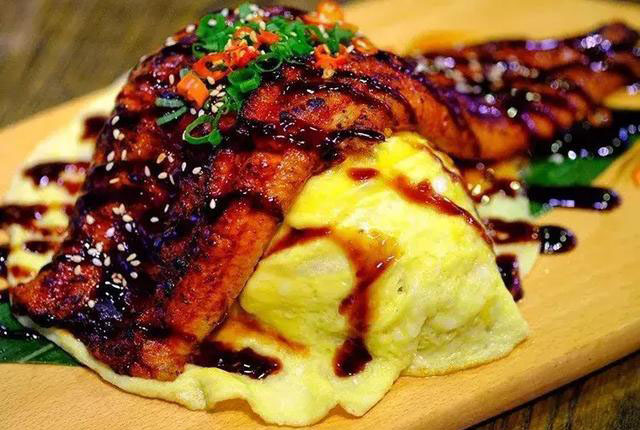
Start With the Fillet Specification, Not the Sauce
The first buying decision is the fillet format. A buyer should define the intended menu, pack format, and serving method before approving a kabayaki fillet specification. This conclusion is practical: a fillet suited to a rice bowl may not suit sushi slicing, and a format designed for retail may create unnecessary labor in a central kitchen.
Freshwater eel arrives as a raw material that must be controlled from farm registration through production. Eelpro works with approximately 20 customs-registered eel farming bases covering more than 2,150 mu. Its traceability process follows raw material from farming registration through process verification, targeted sampling, and shipment tracking.
| Fillet and Cut Option | What It Affects in Practice | Best-Fit Buyer Scenario | When It May Not Fit |
|---|---|---|---|
| Whole fillet | Creates a recognizable presentation and allows the buyer to portion after receipt. | Japanese restaurants, premium retail packs, and buyers with trained kitchen staff. | Not ideal when a foodservice operator needs fixed portions with minimal preparation. |
| Three-section cut | Supports portion consistency and reduces knife work during service. | Rice-bowl concepts, catering kitchens, and convenience-oriented meal production. | Less suitable for a menu that depends on a full fillet visual. |
| Sushi slices | Reduces preparation steps and helps operators present repeatable toppings. | Sushi counters and prepared sushi programs. | Not the first choice for grilled fillet dishes requiring a larger serving format. |
| Strip-cut, diced, or shredded eel | Changes coverage, bite size, and portioning for mixed dishes. | Rice toppings, noodle applications, dim sum fillings, and meal kits. | Does not provide the same plate impact as a full kabayaki fillet. |
Eelpro can customize cutting formats including shredding, dicing, strip-cutting, chunk-cutting, three-section cuts, and sushi slices. Buyers should submit the target application with the inquiry. A simple statement such as “retail rice bowl topping” or “restaurant sushi topping” helps the supplier recommend a usable cut rather than merely quoting the closest available item.
For operators that want less back-of-house handling, boneless or deboned eel and standardized cutting can reduce preparation work. However, buyers should not assume that every concept needs the most processed option. Whole fillets may remain the better fit where visible presentation and in-house finishing are central to the dining experience.
For a closer look at finished fillet formats, see our unagi kabayaki product page.
What Each Processing Parameter Changes for the Buyer
This is where kabayaki fish processing becomes a commercial specification rather than a cooking story. Each parameter affects a different part of the buyer’s operation. Getting it wrong can lead to inconsistent menus, avoidable kitchen labor, rejected retail artwork, or a product that does not suit the target consumer.
| Processing Parameter | What It Actually Changes | Risk if the Buyer Chooses Poorly | How to Specify It |
|---|---|---|---|
| Trim and bone treatment | Changes eating convenience, appearance, and preparation labor. | A restaurant may need extra handling, while a retail buyer may receive complaints if consumer expectations are not aligned with the product format. | State whether the product is intended for direct reheating, further cutting, or plated service. |
| Cut style | Determines portion control and how evenly eel is distributed across a dish. | Large pieces can overwhelm a topping application; small pieces can look insufficient on a premium plate. | Provide the dish name, serving style, and pack use before confirming the cut. |
| Roasting profile | Influences surface color, aroma, texture, and how the eel performs after reheating. | Inconsistent roasting can create variable appearance between batches and reduce menu consistency. | Request product samples and assess them using the buyer’s own reheating method. |
| Sauce coating | Controls glaze appearance and the sweet-savory direction of the finished product. | Too much sauce can hide the eel surface or dominate a delicately seasoned dish; too little may look dry after reheating. | Confirm whether extra sauce is needed in pack or whether the kitchen will apply its own sauce. |
| Freezing and cold storage | Protects product condition through storage and export movement. | Unclear cold-chain planning can create handling disputes and reduce the intended retail appearance. | Align shipment, receiving, storage, and final distribution requirements before order confirmation. |
| Packaging format | Changes shelf presentation, handling convenience, and suitability for retail or foodservice. | A foodservice pack may be inefficient for retail shelves, while a gift-box format may add unnecessary cost for kitchen use. | Specify the sales channel and whether skin packaging or gift-box packaging is required. |
Buyer takeaway: the best specification is not automatically the most elaborate one. It is the one that matches the final dish, labor model, retail channel, and import requirements. A sushi chain may prioritize standardized slices. A distributor serving restaurant clients may prefer several formats. A retail buyer may put more weight on pack appearance and labeling space.
How Roasting and Glazing Build Repeatable Product Character
The signature character of prepared kabayaki fish comes from the relationship between grilling and sauce. The eel is roasted, coated, and roasted again so the glaze adheres to the surface rather than sitting on it as a loose liquid layer. The goal is a recognizable roasted appearance, a stable glaze, and a product that can be reheated by the buyer without losing its intended identity.
Eelpro uses an export-grade roasting process with four precise layers of soy-sauce coating. The process includes temperature-controlled steps and established color standards for white-roasted eel and for the first through fourth sauce-coating stages. Those standards give production teams a common reference when checking appearance during kabayaki eel processing.
The company also holds patented technologies for low-fat roasted eel processing and deodorizing equipment. These processes are relevant for buyers who want a roasted product designed for commercial distribution and varied consumer preferences. Still, a buyer should avoid making assumptions based on a product name alone. Product sample approval remains the right method for deciding whether the taste, appearance, cut, and pack format suit a particular market.
Sauce should be treated as a separate purchasing decision. A restaurant that plans to finish plates with its own house sauce may need a different glaze approach from a retail product intended for direct reheating. Buyers interested in separate sauce supply can review Eelpro’s eel sauce options. For menu teams troubleshooting glaze balance, our guide on kabayaki sauce explains why sauce handling affects the final dish.
Food Safety Controls That Matter in Export Purchasing
For imported kabayaki fish, food safety documentation and process control should be reviewed as early as product flavor. The practical reason is clear: a suitable sample does not solve a missing compliance record or a supplier that cannot explain traceability.
Eelpro applies export quality standards to domestic sales as well as export orders. Its products meet food inspection expectations for Japan, the United States, and the European Union, including veterinary drug residue and microbiological indicators. The factory has an in-house laboratory, metal detectors at critical control points, and more than 160 employees, including 25 technical and quality-control personnel.
- Ask for applicable certification documents. This fits every importer and distributor because the buyer needs to assess supplier qualification before purchase. It does not replace the importing country’s own filing, labeling, or border-entry requirements.
- Confirm traceability scope. Ask how the supplier links farm records, production records, sampling, and shipment information. This is especially relevant for buyers selling into regulated channels. It does not mean a buyer can skip its own supplier approval process.
- Check the intended market before finalizing artwork. Retail labels, carton marks, and ingredient declarations must fit the destination market. A pack designed for one country may not be ready for another without adjustment.
- Clarify cold-chain responsibility. Confirm responsibility at production release, shipment, receiving, and local storage. This is necessary for frozen kabayaki products, but it must be written into the order and logistics arrangement rather than assumed.
Cold fact: export compliance is not only a factory issue. The product specification, label, transport plan, importer documentation, and receiving process all need to point in the same direction. One weak handover can create a commercial problem even when the product itself was properly produced.

Freezing and Retail Packing Should Match the Sales Channel
Freezing protects the finished eel after roasting and glazing, but packaging determines how the product is handled next. Eelpro has a 1,000-ton cold storage facility for product storage and cold-chain logistics. This supports order planning for frozen product movement, especially when buyers need stock held before shipment arrangements are completed.
Packaging can be customized according to product specifications and sales needs. Eelpro offers differentiated MOQ discussions based on formats such as white-roasted skewers, kabayaki eel, cut pieces, skin packaging, and gift boxes. The right pack format depends on the channel.
| Sales Channel | Recommended Planning Focus | Why It Matters | Limit to Remember |
|---|---|---|---|
| Restaurant and catering supply | Cut format, handling speed, and reheating workflow. | Kitchen teams benefit when the product reduces cutting and deboning work. | Retail-ready graphics may not add value for a kitchen-only product. |
| Retail freezer distribution | Pack appearance, label space, consumer instructions, and shelf presentation. | Consumers assess the product before tasting it, so a suitable retail pack matters. | Retail packs can create more packing requirements than bulk foodservice formats. |
| Gift and seasonal sales | Gift-box format, product presentation, and order timing. | Presentation can be part of the purchase decision for seasonal buyers. | Gift packaging may not suit price-sensitive wholesale channels. |
| Private-label import | Artwork approval, market documentation, carton information, and shipment planning. | The buyer needs a pack that fits its brand and destination-market requirements. | Private-label work requires early confirmation, not last-minute carton changes. |
The regular order delivery time is approximately 30 days from order confirmation to shipment, with timing negotiable according to product specification and quantity. This is useful for purchase planning, but it is not a fixed promise for every order. Customized packaging, market-specific requirements, and order size should be discussed before the buyer commits to a launch date.
A Buyer Procedure for Approving Frozen Kabayaki Products
A controlled approval process reduces surprises. The following sequence suits importers, foodservice groups, distributors, and retail buyers evaluating kabayaki fish for the first time or adding a new format.
- Define the end use. State whether the item will be used for sushi, rice bowls, restaurant grilling, meal kits, retail reheating, or gifting. This determines the needed cut and packaging direction.
- Select the fillet or cut format. Choose whole fillet, three-section cuts, slices, strips, diced eel, or another available option based on the serving method.
- Confirm the glaze plan. Decide whether the finished product should carry its own glaze or whether the customer will add sauce during final preparation.
- Review food safety and export documents. Match available supplier documents with the needs of the destination market and the importer’s own approval procedures.
- Test a sample using the real operating method. Restaurant buyers should use their actual kitchen equipment. Retail buyers should assess pack presentation and consumer preparation instructions.
- Approve packaging and labeling before production. Confirm retail pack, foodservice pack, skin packaging, gift-box needs, carton marks, and destination-market information.
- Agree on MOQ, order quantity, and shipment timing. MOQ is negotiable according to specification and packaging format, so give the supplier clear volume expectations.
A useful real-market reference is Eelpro’s existing supply activity. The company provides long-term kabayaki eel supply to Japanese restaurant chains, exports unagi kabayaki and eel sauce to United States food importers, and supplies eel products to importers and distributors in Germany and Poland. It also serves Asian foodservice and retail channels in Australia, Indonesia, and Southeast Asia. These cases show that market needs vary; they do not mean one package or specification fits every buyer.
Buyers seeking other frozen product categories can also review Eelpro’s frozen seafood range. For buyers assessing raw-material traceability, the company’s eel farm information explains the farming-base foundation behind the production process.
Common Purchasing Mistakes to Avoid Before You Approve a Pack
- Approving only by product photo. A photo cannot show cut suitability, reheating behavior, sauce balance, or pack handling. Use a sample and assess it in the intended service environment.
- Choosing a whole fillet for a labor-sensitive operation. Whole fillets can look attractive, but they may add preparation work. Use standardized cuts when speed and repeatability matter more than full-fillet presentation.
- Ignoring sauce strategy. Sauce affects the product’s final identity. Confirm whether the buyer needs pre-glazed eel, separate tare, or both before locking the specification.
- Leaving labeling until the end. Retail and import documentation should be considered before packaging production. Late changes can delay a planned shipment.
- Treating the stated delivery time as unconditional. The approximate 30-day schedule is a planning reference. Custom specifications and quantity can change timing.
- Using one specification across unrelated channels. A pack for Japanese restaurants, a German distributor, and an Australian retail freezer may require different decisions on cut, labeling, and presentation.
Good kabayaki fish purchasing starts with a clear answer to one question: what must this product do after it leaves the carton? Once that answer is defined, the fillet format, roasting and glazing approach, safety documentation, frozen storage plan, and retail pack can be aligned around the actual commercial need.
Request a sample or specification discussion with Eelpro to match your kabayaki fish format, packaging, and export requirements.