

Understanding Eel Nutrition for Low-Carb and Keto Menus
For importers, distributors, and restaurant chains evaluating ingredients for low-carb menus, a common question arises: is eel a suitable choice? The answer is yes, but with a critical distinction. The inherent eel nutrition profile is perfectly aligned with low-carb and ketogenic diets. However, the final carbohydrate count depends almost entirely on how it is prepared—specifically, the sauce it is paired with.
As a certified frozen eel supplier with ISO 22000:2018 and HACCP systems, we help buyers navigate these specifications daily. Understanding the difference between plain eel and traditionally glazed preparations is key to sourcing the right product for health-conscious consumers and avoiding menu mislabeling. This guide breaks down the nutritional components, explains where carbohydrates enter the picture, and provides a clear framework for sourcing eel that meets your exact dietary requirements.
The Baseline Nutritional Profile of Freshwater Eel
Before any sauces or glazes are applied, freshwater eel (unagi) is a nutritional powerhouse, making it an excellent base for low-carb and keto-friendly dishes. Its macronutrient composition is naturally low in carbohydrates and rich in high-quality protein and beneficial fats, including Omega-3 fatty acids.
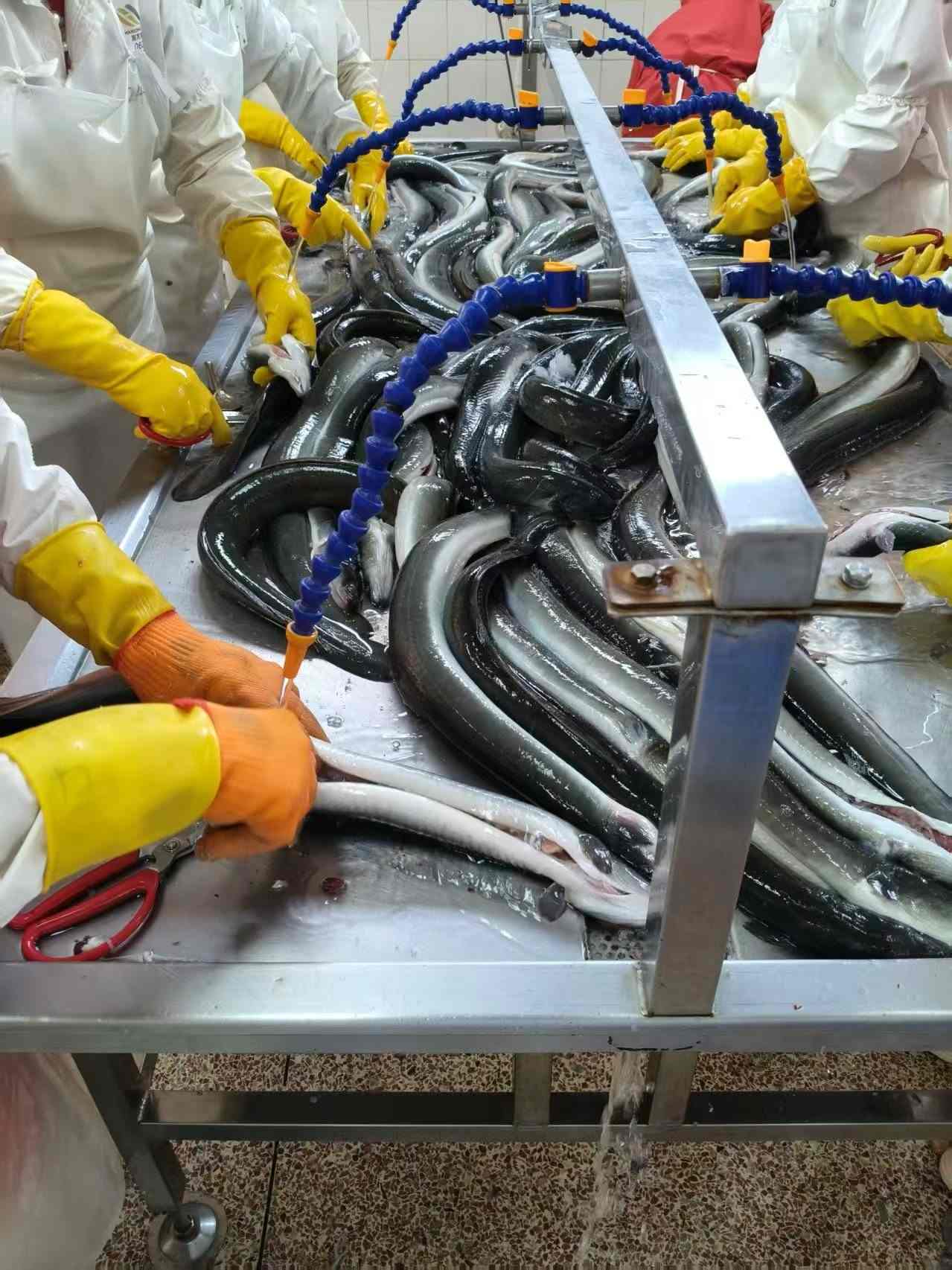
This makes plain roasted or steamed eel an ideal ingredient. Without the addition of sugary sauces, the carbohydrate content is negligible. At Eelpro, our process begins with high-quality raw materials from over 19 of our own and cooperative certified farming bases. This ensures the foundational quality and nutritional value of the eel itself is consistently high before it even reaches our patented low-fat roasting and deodorizing equipment.
Here is a typical breakdown for plain, cooked freshwater eel, which highlights its suitability for low-carb applications.
| Nutrient | Approximate Amount | Relevance for Low-Carb/Keto Menus |
|---|---|---|
| Carbohydrates | 0g | Excellent fit. The primary ingredient is naturally carb-free. |
| Protein | 23g | High-quality protein source for building and maintaining muscle mass. |
| Fat | 15g | Rich in healthy unsaturated fats, including EPA and DHA Omega-3s. |
| Vitamins & Minerals | High in A, E, D, B12 | Provides essential micronutrients often sought in whole-food-based diets. |
This baseline shows that the eel itself is not a source of concern for carbohydrate-conscious menus. The challenge for buyers and chefs arises during processing and final preparation, particularly with traditional Japanese-style products.
When Eel Becomes High-Carb: The Glaze and Sauce Factor
The single most significant factor that alters the low-carb nature of eel is the application of a sweet soy-based glaze, known as tare. This is the defining ingredient in unagi kabayaki, the popular grilled eel dish. While delicious, traditional kabayaki sauce contains sugar, mirin (sweet rice wine), and soy sauce, all of which contribute to the final carbohydrate and sugar count.
As a manufacturer with an annual capacity of 4,000 tons, we see a wide range of sauce specifications. A classic eel sauce can add anywhere from 5 to 15 grams of carbohydrates per serving, depending on the thickness and sweetness of the glaze. Our own roasting process involves four precise layers of soy sauce application, designed to create a perfect balance of flavor and texture. While this method produces an exceptional product for traditional markets like our restaurant chain clients in Japan, it is not suitable for a strict ketogenic menu without modification.
To make an informed sourcing decision, it's vital to differentiate between the two main styles of prepared eel.
Comparative Analysis: Shirayaki vs. Kabayaki Eel
- Shirayaki (White-Roasted Eel): This is eel that is roasted without any sauce or seasoning. It is simply grilled plain, sometimes with a touch of salt. This style preserves the natural, savory flavor of the eel and contains virtually zero carbohydrates. It is the ideal choice for low-carb and keto menus.
- Kabayaki (Glazed-Roasted Eel): This is eel that is grilled while being basted repeatedly with sweet tare sauce. The sugars in the sauce caramelize, creating a rich, glossy, and sweet-savory finish. This is the most common preparation found in restaurants worldwide but is higher in carbohydrates.
Here’s how the nutritional impact differs:
| Preparation Style | Key Ingredients | Estimated Carbohydrates | Best For |
|---|---|---|---|
| Shirayaki (White-Roasted) | Eel, Salt | ~0g | Strict Keto, Low-Carb, Paleo, Diabetic-Friendly Menus |
| Kabayaki (Glazed) | Eel, Soy Sauce, Sugar, Mirin | 8g - 20g+ | Traditional Japanese Cuisine, General Foodservice, Menus without strict carb limits |
For foodservice clients in the United States and Germany, where low-carb diets are popular, offering both options or defaulting to Shirayaki can be a key market differentiator. You can then provide a low-carb or sugar-free version of kabayaki sauce on the side for customers to add themselves.
Sourcing Checklist for Low-Carb Eel Products
For B2B buyers, ensuring the product you import aligns with your menu claims is a matter of supply chain integrity and customer trust. Misrepresenting a kabayaki product as "keto-friendly" can damage your brand. As an ISO 22000:2018 certified facility, we prioritize clear specifications to prevent such issues.
Here is a checklist to guide your sourcing process when targeting low-carb applications.
- Specify "Shirayaki" or "White-Roasted" Eel. Be explicit in your purchase order that you require un-glazed eel. Avoid generic terms like "roasted eel," which could be interpreted as kabayaki.
- Request a Full Ingredient Declaration. Ask the supplier for a complete ingredient list for the product you are ordering. This should be a standard practice for any HACCP-certified facility. Scrutinize it for sugar, mirin, corn syrup, or other sweeteners.
- Inquire About Custom Glaze Options. If you still want a glazed product, ask if the manufacturer can produce it with a sugar-free or low-sugar alternative (e.g., using erythritol or monk fruit). While this may be subject to a higher MOQ, it is a viable option for large-volume buyers.
- Verify Food Safety and Export Certifications. This is non-negotiable. Your supplier must hold certifications relevant to your market. Eelpro is HALAL, ISO 22000, and HACCP certified and holds an Export Food Producer Registration Certificate. This ensures our products meet strict Japan, US, and EU food inspection standards for things like veterinary drug residues.
- Confirm Packaging and Handling Protocols. Ensure the product is quick-frozen and stored properly to maintain quality. Our 1,000-ton cold storage facility ensures a stable cold chain from production to shipment, preserving the texture and nutritional integrity of the eel.
Full-Chain Traceability: Your Guarantee of Quality and Safety
Beyond the carbohydrate count, the overall quality and safety of the eel are paramount. The nutritional benefits of eel are only realized if the product is safe, clean, and free from contaminants. This is where a vertically integrated supply chain becomes a major advantage for importers.
At Eelpro, we manage a full-chain traceability system. It starts at our ~20 customs-registered eel farming bases, which cover over 2,150 mu and supply more than 5,000 tons of raw eel annually. This control allows us to monitor the entire lifecycle, from farming registration and targeted sampling to final processing.
My role as Senior Food Safety & Quality Specialist involves overseeing this entire process. With over 12 years in seafood export, I've guided dozens of clients in the EU, US, and Australia through complex import compliance. Our in-house professional laboratory and metal detectors at critical control points are not just for show; they are essential tools that ensure every shipment meets international standards. This rigorous oversight helps our partners avoid costly trade risks and confidently market their products.
Whether you are sourcing for restaurant chains in Southeast Asia or for food importers in Poland, the assurance of a clean, traceable, and correctly specified product is the foundation of a successful partnership.
For sourcing un-glazed shirayaki eel or to discuss custom specifications for your market, please request our latest product catalog and a consultation.