


Understanding What a Gulper Eel Eats and How It Hunts
The deep ocean is a world of extremes, and few creatures embody its unique pressures better than the gulper eel (Eurypharynx pelecanoides). For those of us in the commercial seafood industry, understanding the diversity of the eel family highlights the specific advantages of controlled aquaculture. When importers ask questions about different eel species, they are often surprised by the vast differences. So, what does a gulper eel eat, and how does its bizarre anatomy allow it to survive in an environment where meals are few and far between?
Unlike the freshwater eels prized in global cuisine, the gulper eel is an opportunistic predator of the aphotic zone, living at depths of 500 to 3,000 meters (1,600 to 9,800 feet). Its diet is not based on preference but on availability. It primarily consumes small crustaceans like copepods, shrimp, and krill, but its most famous feature—its massive, pelican-like mouth—allows it to swallow prey much larger than itself, including small fish and squid, should the rare opportunity arise.
How Specialized Anatomy Dictates the Gulper Eel's Diet
The gulper eel's survival strategy is entirely built around energy conservation and maximizing every potential food encounter. In the deep sea, you cannot afford to be a picky eater. This has led to the evolution of a highly specialized body plan, where each feature serves a critical function in acquiring scarce nutrients.
As a quality assurance specialist, I focus on control and consistency in our unagi eel farms. The gulper eel is the antithesis of this; it is a creature perfectly adapted to chaos and unpredictability. Its anatomy provides a fascinating case study in surviving harsh conditions.
Here’s a technical breakdown of how its key features function in a low-food environment:
- The Expandable Mouth (Gular Pouch): The gulper's most defining characteristic is its enormous mouth, which is disproportionately large compared to its body. The lower jaw is hinged in a way that allows it to open incredibly wide, and the buccal cavity (the mouth and throat area) can expand like a net. When a school of small crustaceans or a lone fish is detected, the eel opens its mouth and lunges, engulfing a large volume of water along with its prey. The water is then expelled through its gill slits, trapping the food inside. This "net-casting" method is highly energy-efficient for catching scattered, small-bodied prey.
- Tiny, Recurved Teeth: One might expect such a large mouth to house formidable teeth, but the gulper's teeth are small and sharp, curving backward. Their function is not to tear or chew but to act like Velcro, ensnaring and preventing small, slippery prey like shrimp or squid from escaping as the water is filtered out. For larger prey, these teeth ensure a firm grip as the animal is slowly worked down into the stomach.
- Bioluminescent Tail Lure: While not confirmed in all specimens, many gulper eels are believed to have a photophore (light-producing organ) at the tip of their long, whip-like tail. This is a common hunting adaptation in the deep sea. The eel can dangle this glowing lure, sometimes near its mouth, to attract curious crustaceans or small fish in the complete darkness. Once the prey is drawn in close, the eel can strike with minimal energy expenditure. This form of bioluminescence is a critical tool when active hunting is too costly.
- Highly Distensible Stomach: To capitalize on rare encounters with larger meals, the gulper eel’s stomach can stretch to accommodate prey of significant size. After engulfing a large fish, the eel’s body may look distorted as it slowly digests its meal over a long period, a necessary adaptation when the next meal could be weeks away.
Gulper Eel vs. Commercial Freshwater Eel: A Buyer's Comparison
For B2B importers, distributors, and foodservice chains, the distinction between a deep-sea curiosity like the gulper eel and a commercially viable species like the freshwater eel (genus Anguilla) is critical. The differences in biology, habitat, and diet directly impact product quality, safety, and supply chain reliability. A wild, deep-sea diet is unpredictable, leading to variations in texture, fat content, and potential bioaccumulation of heavy metals. In contrast, a controlled aquaculture environment provides the consistency global markets demand.
Here is a direct comparison for buyers evaluating eel suppliers:
| Feature | Gulper Eel (Eurypharynx pelecanoides) | Commercial Freshwater Eel (e.g., Anguilla japonica) |
|---|---|---|
| Habitat | Deep sea (500-3,000m), high pressure, low light, cold water. Wild-caught only (not for consumption). | Brackish and freshwater rivers, estuaries. Farmed in controlled, certified aquaculture bases. |
| Diet | Opportunistic: small crustaceans, fish, squid. Highly variable and scarce. | Controlled, high-protein feed formulated for optimal fat content, flavor, and growth. Consistent and traceable. |
| Anatomy | Massive gular pouch, tiny teeth, elongated body, distensible stomach. Adapted for engulfing prey. | Streamlined, muscular body. Stronger jaws for gripping. Adapted for active hunting and burrowing. |
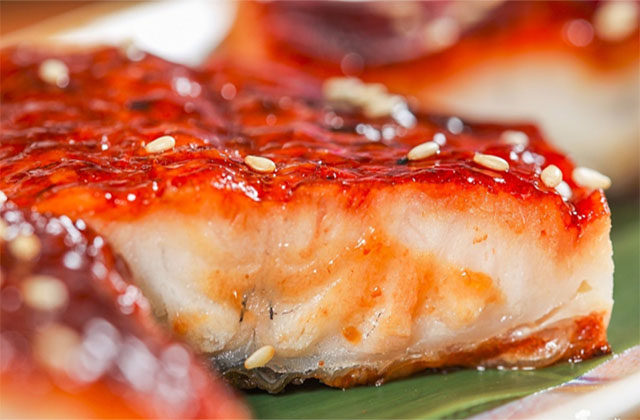
| Commercial Viability | None. Flabby muscle structure and deep-sea habitat make it unsuitable for food production. | High. Prized for its rich flavor and firm texture. Ideal for products like unagi kabayaki. |
| Food Safety & Quality Control | Unknown. No monitoring of diet, water quality, or potential contaminants. | Fully managed. Monitored water, traceable feed, and regular testing for residues and microbiology in our in-house laboratory. ISO 22000 & HACCP certified. |
This comparison makes it clear why our focus at Eelpro is on managing the entire production chain. The consistency we achieve is not accidental; it is the result of controlling every variable, from the water quality at our 20 customs-registered farming bases to the precise roasting process in our facility.
From Wild Adaptation to Controlled Production: What Importers Need to Know
While the gulper eel’s feeding strategy is a marvel of natural selection, it offers zero commercial value. For food importers in Japan, the US, and the EU, the priorities are safety, consistency, and reliability. These are pillars that can only be built on a foundation of controlled, scientific aquaculture and processing.
At Eelpro, we translate these requirements into tangible operational standards. Our annual capacity of 4,000 tons is supported by a fully traceable system that buyers can depend on.
Key Sourcing Checkpoints for Eel Importers:
- Traceability from Farm to Fork: Can the supplier trace each batch back to a specific farming base? We maintain full-chain traceability, a critical factor for meeting import regulations in markets like the EU and Japan.
- Certification and Compliance: Does the facility hold internationally recognized certifications? Our operations are ISO 22000:2018, HACCP, and HALAL certified, ensuring our processes meet global food safety standards. This helps our clients avoid costly import rejections.
- Consistent Raw Material: An inconsistent diet leads to inconsistent products. Our self-operated and cooperative farms supply over 5,000 tons of high-quality raw eels annually, raised on formulated feed to ensure uniform fat content and texture.
- Advanced Processing Technology: How is the final product prepared? We utilize patented low-fat roasting and deodorizing technology. Our signature four-layer coating for eel sauce is applied with precise temperature control, creating a product that is ready-to-heat and consistent every time. This reduces back-of-house labor for foodservice clients.
The fascinating biology of the gulper eel serves as a stark reminder of the challenges of the wild. For the global food supply chain, however, the future lies in harnessing science and rigorous process control to deliver safe, high-quality, and delicious products like frozen roasted eel. We have built our business around providing that certainty.
If your business requires a stable supply of high-quality frozen eel products that meet stringent international standards, contact our team to discuss your specifications and request a detailed quotation.