

What Is Anago and How Does It Differ From Unagi?
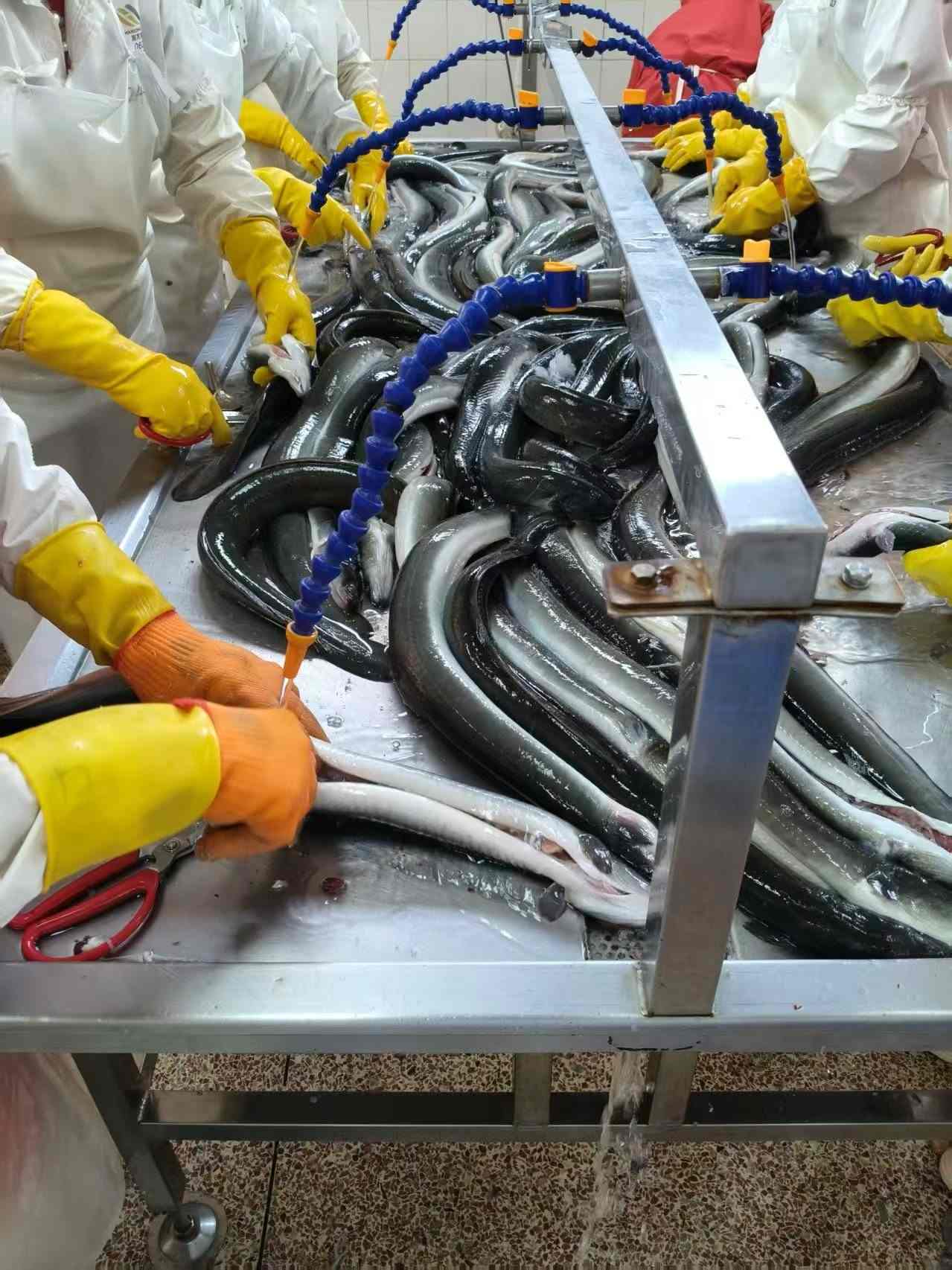
If you source Japanese cuisine ingredients, you’ve encountered two types of eel: unagi and anago. While they appear similar, they are entirely different products with distinct supply chain and culinary implications. So, what is anago? It is the Japanese name for the saltwater conger eel, known for its exceptionally soft, delicate texture and subtle, sweet flavor. It is a stark contrast to the rich, bold taste of unagi (freshwater eel).
Understanding the difference is not just about taste. For importers, distributors, and restaurant chains, the choice between them impacts menu cost, supply chain stability, and preparation methods. Anago is typically wild-caught, leading to price and availability fluctuations. Unagi, which we specialize in at Eelpro, is primarily farm-raised, offering a consistent, traceable, and scalable supply chain. As a Senior Food Safety & Quality Specialist, I've guided many clients through these sourcing decisions, ensuring they select the product that best aligns with their operational needs and quality standards.
Unagi vs. Anago: A Technical Breakdown for Importers
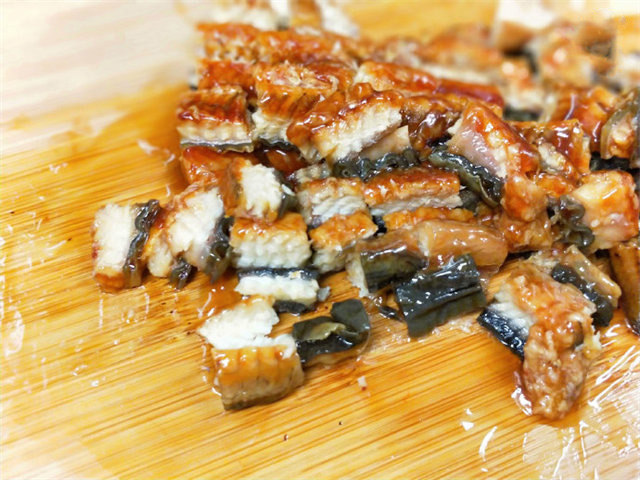
Mistaking anago for unagi (or vice versa) can lead to dissatisfied customers and inventory challenges. One is not a direct substitute for the other. A foodservice business expecting the rich, fatty profile of unagi for a grilled kabayaki dish would be disappointed by the light, fluffy texture of anago. This table breaks down the critical differences for procurement and menu planning.
| Attribute | Anago (Conger Eel) | Unagi (Freshwater Eel) |
|---|---|---|
| Species | Mainly Conger myriaster and related saltwater species. | Primarily Anguilla japonica and other freshwater species. |
| Habitat | Saltwater (marine environments). | Freshwater (rivers, lakes), migrating to the ocean to spawn. |
| Flavor Profile | Delicate, light, and subtly sweet. Less rich and oily. | Rich, bold, and savory with a distinct fatty mouthfeel. |
| Texture | Very soft, fluffy, and tender. Can fall apart easily if not handled correctly. | Firm, meaty, and slightly chewy due to higher fat content. |
| Common Preparation | Simmered (nimono) with a light, sweet soy-based broth (nitsume). Often served as nigiri sushi or in tempura. | Grilled (kabayaki) with a thick, sweet soy glaze (tare). Served in rice bowls (unadon) or as sushi. Our unagi kabayaki product is prepared this way. |
| Sourcing & Supply | Almost exclusively wild-caught, leading to seasonal and price volatility. | Primarily aquaculture-raised, ensuring year-round availability, consistent sizing, and stable pricing. |
| Buyer's Bottom Line | Best for specialty sushi applications where its delicate nature is highlighted. Sourcing requires flexibility due to market fluctuations. | Ideal for high-volume foodservice due to supply chain reliability, standardized cuts, and bold flavor that holds up to grilling and sauces. |
Supply Chain Stability: Farmed Unagi vs. Wild-Caught Anago
For any large-scale buyer, a stable supply chain is non-negotiable. This is where the sourcing difference between unagi and anago becomes a critical business factor. Anago is a wild-caught product, meaning its availability is subject to fishing seasons, weather conditions, and marine ecosystem health. This can result in unpredictable supply and sudden price spikes, making it a challenging ingredient for international restaurant chains or distributors who require consistency.
In contrast, high-quality unagi is a product of modern aquaculture. At Eelpro, we manage a network of approximately 20 customs-registered eel farming bases covering over 2,150 mu. This system gives us full-chain control and traceability. Here’s what that means for your business:
- Consistent Supply: Our farms provide over 5,000 tons of high-quality raw eel annually, feeding into two modern production lines with a finished goods capacity of 4,000 tons. This scale ensures we can fulfill large, recurring orders without interruption.
- Price Stability: While market forces always play a role, a controlled farming environment shields our clients from the extreme price volatility common with wild-caught seafood. You can forecast costs more accurately.
- Quality and Safety Control: From farming registration and targeted sampling to process verification, every step is monitored. Our unagi eel farms operate under strict guidelines, and our ISO 22000:2018 and HACCP certified facility ensures all products meet Japan, US, and EU food inspection standards for veterinary drug residues and microbiological indicators.
- Traceability: We can track each batch from the farm to the final shipment, a level of transparency that is nearly impossible with wild-caught anago.
Our 1,000-ton cold storage facility further guarantees product integrity and supports reliable cold-chain logistics, ensuring the unagi you receive maintains its peak quality.
Processing and Preparation: Maximizing Value in Your Kitchen
The physical properties of anago and unagi dictate different processing methods and back-of-house requirements. Anago’s soft flesh requires gentle simmering to prevent it from disintegrating. It’s not well-suited for the high-heat grilling used for kabayaki.
Unagi’s robust, fatty meat is perfect for grilling. At Eelpro, we’ve refined this process with patented technologies. Our low-fat roasting and deodorizing equipment, combined with a precise 4-layer soy sauce coating process, creates a perfectly balanced unagi kabayaki eel. Each layer of our signature eel sauce is applied at a specific temperature, creating a deep, savory flavor and an appealing caramelized finish.
For foodservice clients, this ready-to-heat format offers significant advantages:
Buyer's Checklist for Sourcing Processed Eel
- Is the product boneless/deboned? Our unagi is fully deboned, eliminating a labor-intensive and risky step in the kitchen.
- Are standardized cuts available? We offer custom cutting specifications, including shredding, dicing, 3-section cuts, and sushi slices, ensuring portion control and consistency across all your locations.
- Does the packaging support efficiency? Ready-to-heat packaging like skin-packs reduces preparation time and minimizes waste, lowering back-of-house processing costs.
- Is the quality consistent? Our in-house laboratory, metal detectors at critical control points, and team of 25 quality-control specialists ensure every shipment meets our established color and quality standards.
While anago offers a unique culinary experience, unagi provides the operational efficiency, safety, and supply consistency that large-scale food businesses demand. By sourcing pre-processed, fully cooked unagi kabayaki, your kitchen staff can focus on final presentation rather than primary preparation, saving valuable time and labor costs.
By understanding the fundamental differences between anago and unagi, you can make more informed sourcing decisions that align with your menu strategy, operational capacity, and business goals. While anago holds a special place in traditional sushi, the reliability and versatility of high-quality farmed unagi make it the superior choice for most international foodservice applications.
If your business requires a stable supply of certified, traceable, and expertly prepared frozen unagi kabayaki, contact our team to discuss your specifications and request a quote.