





What Is Unagi Sauce and Does It Contain Eel?
A glossy drizzle over grilled eel can look simple, but the answer to “does it contain eel?” is not always simple. If you are asking what is unagi sauce because of a fish allergy, dietary preference, or a sauce purchase, the label matters more than the name.
In many restaurants and retail stores, unagi sauce is a sweet-savory Japanese-style glaze made without eel meat. Yet traditional unagi tare may be enriched with juices released while eel is grilled. Both versions exist. They should not be treated as identical.
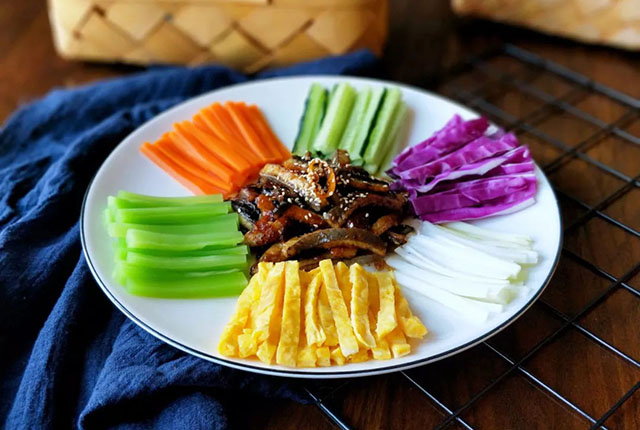
What is unagi sauce and why is the name confusing?
What is unagi sauce in the broadest sense? It is the dark, shiny sauce commonly brushed onto grilled Japanese eel, especially kabayaki. It is usually sweet, salty, and slightly caramel-like after heating. The name suggests “eel sauce,” but it can describe either a sauce served with eel or a sauce made with eel-derived cooking juices.
The confusion starts with restaurant language. A menu may call it “eel sauce,” while a bottle may say “unagi sauce,” “kabayaki sauce,” or “unagi tare.” Those names tell you the intended flavor and use, but they do not prove that eel is an ingredient.
For diners, the practical answer is this: do not assume a sauce contains eel just because it is called eel sauce. For ingredient-conscious buyers, the equally important answer is: do not assume it is eel-free without checking the ingredient declaration.
In Japanese cooking, tare generally refers to a seasoning sauce or glaze. It may be used for grilled seafood, meat, rice bowls, or skewered foods. Unagi tare is associated with grilled eel, but each producer and restaurant can use a different formula.
For a closer look at how glaze affects finished grilled eel, see our kabayaki sauce article.
Where traditional tare and eel-free bottled sauces differ
What is unagi sauce when people mean traditional restaurant tare? In some kitchens, it is a repeatedly used grilling sauce that absorbs eel drippings and cooking juices over time. That style can contain fish-derived material, even if the base began as soy sauce, sugar, and other seasonings.
By contrast, many bottled sauces sold for sushi, rice bowls, grilled seafood, and home cooking are formulated without eel. They are designed to provide a sweet-savory kabayaki-style profile without using eel cooking juices.
This boundary matters for allergy communication, menu descriptions, vegetarian purchasing decisions, and import documentation. The word “unagi” alone is not enough evidence.
| Question | Traditional tare enriched with eel cooking juices | Common bottled or restaurant sauce made without eel |
|---|---|---|
| Can it contain eel-derived material? | Yes. It may contain juices, drippings, or stock created during eel grilling. | Not necessarily. Many formulas use seasonings only, but the ingredient list must confirm this. |
| Why is it used? | To build a deeper flavor linked directly to repeated eel grilling. | To create a consistent sweet-savory glaze for eel, sushi, seafood, and other dishes. |
| Is it suitable for someone avoiding fish? | Do not assume so. Ask the restaurant or supplier directly. | Possibly, but only if the label and manufacturer statement confirm no fish-derived ingredients. |
| Is the name “eel sauce” enough proof? | No. It suggests the culinary use, not a fixed ingredient formula. | No. A bottled product may use the same name while containing no eel. |
| Best buying action | Request an ingredient specification and allergen declaration. | Read the ingredient list, allergen statement, and producer information before purchase. |
Cold fact: a sauce can be called “eel sauce” because it is intended for eel, not because eel is inside it. This is one of the easiest label traps for first-time buyers.
If you run a restaurant, the safe menu approach is specific wording. Say “sweet soy-style unagi glaze” only when your formula contains no eel-derived ingredients. If the sauce includes eel juices, say so and train service staff to communicate that point clearly.
How to tell whether a specific bottle contains fish
What is unagi sauce on a bottle label? It is a product name, not an ingredient declaration. Your decision should be based on the printed ingredients and allergen information, not the front-label image of grilled eel or sushi.
Fish is a recognized food allergen in many markets. In the United States, buyers can review the U.S. Food and Drug Administration guidance on a fish allergen and packaged-food labeling. Requirements and label formats can differ by destination market, so importers should also verify local rules before listing a product.
- Read the full ingredient list. Look for eel, fish extract, fish stock, seafood extract, bonito, or other fish-derived ingredients.
- Check the allergen statement. A “contains fish” declaration is a strong signal for packaged products where such labeling is used.
- Ask about restaurant tare. Restaurant sauces may be prepared in-house and may not have a retail-style ingredient label.
- Confirm shared-equipment practices if needed. An eel-free recipe may still be made in a facility that handles fish.
- Request a product specification for commercial purchases. Importers, distributors, and foodservice buyers should obtain the current ingredient and allergen documents before ordering.
The conclusion is straightforward: if you must avoid fish, select only a product supported by current supplier documentation. This is most relevant to allergy-sensitive households, school food programs, export distributors, and restaurants serving customers with declared dietary restrictions. It does not mean every unagi-style sauce contains fish; it means assumptions are not a safe control method.
Common label mistakes when buying unagi-style sauce
What is unagi sauce for a home cook versus a food buyer? The answer may be the same on the front label, but the purchasing risk is different. A home cook may need one bottle for sushi night. A distributor may need approved ingredient records for a full shipment.
- Mistake: judging by the picture. A grilled eel image does not confirm eel content. Check the back label.
- Mistake: treating “Japanese-style” as a recipe guarantee. The phrase describes a style, not a standard formula.
- Mistake: assuming all tare is vegetarian. Some tare may be enriched with eel cooking juices or other fish-derived ingredients.
- Mistake: relying on a retailer’s short product description. Use the manufacturer’s current ingredient panel and specification sheet.
- Mistake: forgetting recipe changes. A supplier can revise ingredients, so verify the batch or current production document when allergen control matters.
- Mistake: asking only “Does it have eel?” Ask whether it contains any fish-derived ingredient and whether it is produced around fish products.
For commercial buyers, a good request is specific: “Please provide the current ingredient list, allergen declaration, country-of-origin information, storage instructions, shelf-life documentation, and packaging specification.” That request fits retail sourcing, restaurant-chain approval, and import pre-screening. It may be more documentation than a household purchase needs, but it prevents costly confusion later.
When sauce and kabayaki should be sourced as separate decisions
What is unagi sauce worth to a foodservice buyer? It is not merely a garnish. It affects allergen messaging, flavor consistency, menu cost, and how much labor the kitchen needs before serving.
Buy sauce and eel as separate decisions when you need control over each item. This suits restaurant groups that use one glaze across several dishes, retailers selling a sauce bottle beside frozen eel, and distributors supplying customers with different dietary needs.
| Buying situation | Recommended decision | Why it fits | Limit |
|---|---|---|---|
| Home sushi or rice-bowl cooking | Choose a clearly labeled bottled sauce. | Easy portioning and quick ingredient checking. | Flavor may differ from a restaurant’s house tare. |
| Fish-allergen concern | Request written confirmation before purchase. | Names such as “eel sauce” do not settle the ingredient question. | Written confirmation still does not replace medical advice for severe allergies. |
| Japanese restaurant menu | Document the exact sauce recipe and serving use. | Staff can answer diner questions accurately. | In-house recipes need review whenever ingredients change. |
| Frozen eel retail program | Approve eel and sauce specifications independently. | Allows separate labeling, pack formats, and allergen review. | Requires more purchasing coordination. |
Eelpro supplies eel sauce and frozen eel products for buyers who need clear product discussions before ordering. Our frozen unagi kabayaki production uses a four-layer soy-sauce coating process, but that roasting process should not be used as a shortcut for judging the ingredients of every bottled unagi-style sauce on the market.
For finished eel selections, review our unagi kabayaki product information. Eelpro operates two modern production lines with an annual finished-goods capacity of 4,000 tons, supported by a 1,000-ton cold storage facility. For export buyers, product-specific documents remain the right reference for ingredients, packaging, and destination-market needs.
Frequently asked questions before ordering or cooking
Does unagi sauce always contain eel?
No. What is unagi sauce varies by recipe. Some traditional tare can contain eel cooking juices, while many bottled sauces are made without eel. Check the actual ingredient information for the product in front of you.
Can a person with a fish allergy eat unagi sauce?
They should not guess. What is unagi sauce for allergen purposes depends on whether fish-derived ingredients are present and on possible cross-contact. Ask the manufacturer or restaurant for current allergen information, and follow medical guidance where applicable.
Is unagi sauce the same as teriyaki sauce?
Not exactly. Both can be sweet and soy-forward, but unagi sauce is associated with kabayaki eel and often has a thicker, more glaze-like role. Recipes vary, so neither name guarantees a fixed ingredient list.
Does kabayaki sauce need to contain eel to taste right?
No. A sauce can give a sweet, savory grilled-eel style without eel-derived ingredients. The right choice depends on your intended flavor, dietary requirements, menu claim, and label policy.
What should an importer confirm first?
Start with the current ingredient list and allergen declaration. Then confirm packaging, storage conditions, product specification, and destination-market requirements. Eelpro applies export food controls supported by ISO 22000:2018, HACCP, HALAL certification, an in-house laboratory, and metal detectors at critical control points, but each buyer should still approve the product documents for its own market.
If you are comparing bottled sauce options or sourcing kabayaki for a menu, request an ingredient specification or product sample from Eelpro before placing an order.
 WhatsApp
 sales@chinaeels.com
 +8619937922411