


What the Nutrition of Eel Means per Serving
A nutrition panel may look simple until you ask the question that matters at the table: how much eel will actually be eaten? The nutrition of eel is often presented using raw ingredient data, while restaurant plates, rice bowls, sushi, and prepared kabayaki use cooked, sauced, and portioned eel. That difference can change how buyers, chefs, and menu planners interpret calories, protein, fat, and vitamins.
For foodservice planning, the useful question is not whether eel is “healthy” in general. It is whether a defined edible eel portion fits the intended menu, serving format, sauce level, and guest expectations. A grilled eel fillet over rice is not nutritionally equivalent to an unsauced raw eel reference value. The ingredient, cooking method, sauce, and side dishes all matter.
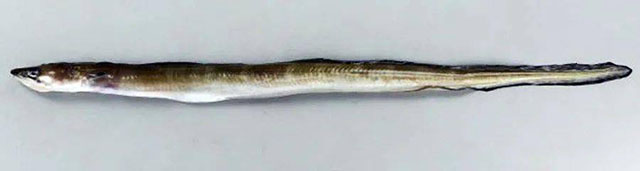
Why raw eel nutrition facts do not automatically describe a finished portion
Raw data is a starting point, not a finished-menu specification. Raw eel values are useful for understanding the natural nutrient profile of the fish itself. They can help compare eel with other seafood proteins and support early menu research. For dependable figures, check the food item, preparation state, and reference quantity in an authoritative food composition data source.
However, a buyer should not copy raw values directly onto a prepared unagi menu without reviewing the actual product format. A finished portion can differ for several reasons:
- Edible yield: A whole eel, trimmed eel, boneless portion, and sliced portion do not provide the same amount of edible fish.
- Moisture change during heating: Roasting and reheating can change the relationship between the serving weight and the nutrients contained in that serving.
- Sauce application: Kabayaki sauce contributes its own ingredients and should be treated separately from plain eel when a menu requires nutrition information.
- Rice and toppings: A rice bowl, sushi roll, noodle dish, or appetizer plate includes more than eel. The finished menu calculation must include every component.
- Portion control: A chef-cut strip, sushi slice, diced topping, and full fillet can all create very different eating occasions.
The practical rule is straightforward: use raw data to understand the ingredient, then use the supplier’s product documentation and your actual plated portion to estimate the final serving. This approach fits menu development, nutrition communication, and procurement review. It does not replace a validated nutrition label where local regulations require one.
How should raw nutrition values be interpreted by edible serving size?
Interpret raw values by converting them to the amount of edible eel on the plate, then reviewing each nutrient against the relevant daily value. This is the most useful way to read nutrition facts for menu planning. A reference quantity in a database may not match your restaurant’s portion, and it may not include sauce, rice, oil, or toppings.
For consumer-facing food labels, Daily Values are reference amounts used to show how much a nutrient in one serving contributes to a daily diet. They are useful context, but they are not a personal meal prescription. Dietary needs vary with age, activity level, medical needs, and the rest of the day’s food intake.
| Nutrient | What a raw eel value means | How to interpret it for an edible serving | Best use for menu planners |
|---|---|---|---|
| Calories | Energy supplied by the edible fish in the stated raw reference quantity. | Scale the listed value to the actual edible eel amount, then add calories from sauce, rice, oils, and toppings. | Use this for comparing a light appetizer portion with a larger rice-bowl or entrée portion. |
| Protein | Protein naturally present in the raw eel reference amount. | Convert the value to the served amount of eel, not the whole plate. Cooking changes weight relationships, so use finished-product documentation where available. | Use protein information when building seafood-forward meals or balancing a menu with rice, vegetables, and other sides. |
| Fat | Total fat in the raw fish, before recipe additions. | Read it with the serving size in mind. Sauce, added oil, and the chosen cut can affect the finished dish. | Useful when comparing plain grilled eel with glazed kabayaki or fried eel applications. |
| Vitamin A | A raw-data value showing the vitamin A content attributed to the fish. | Compare the portion-adjusted amount with the daily value stated under the relevant labeling rules. Do not assume every eel product has the same value. | Use as supporting nutrient context, not as a broad health claim for a menu item. |
| Vitamin D | A raw-data value showing the vitamin D content attributed to the fish. | Apply the same portion conversion, then compare with the daily value if a validated label or approved calculation is available. | Helpful for discussing the nutrient profile of seafood dishes, while avoiding claims beyond product documentation. |
A simple working method is:
- Identify the source’s stated raw reference quantity and whether it refers to edible flesh.
- Record the weight of eel actually served in your recipe or portion-control standard.
- Adjust each raw nutrient value proportionally to the edible eel portion.
- Add nutrition from glaze, eel sauce product page ingredients, rice, vegetables, oils, and garnishes.
- Have a qualified labeling professional verify calculations before publishing regulated nutrition claims or nutrition panels.
This method works best for early menu planning and recipe comparison. It does not apply when the meal uses an unknown portion size, a variable amount of sauce, or a mixed preparation where each cook plates differently. In those cases, standardize the recipe first.
What changes when raw eel becomes unagi kabayaki?
Prepared kabayaki should be assessed as a finished product, not as raw eel plus a generic assumption. Unagi kabayaki is roasted and coated with sauce, so the final nutrition profile depends on the eel cut, glaze level, and finished serving format. A plain raw reference can still provide useful ingredient context, but it cannot describe the full prepared item on its own.
At Eelpro Co., LTD, frozen roasted eel is produced with a controlled four-layer soy-sauce coating process. The company has established appearance standards from white-roasted color through the first, second, third, and fourth sauce-coating colors. This matters to foodservice buyers because sauce treatment is a real product variable, not a decorative finishing step.
Choose the comparison that matches the menu application:
| Menu format | Nutrition interpretation | Best purchasing question | When raw values are insufficient |
|---|---|---|---|
| Plain grilled eel plate | Raw eel data can provide a closer ingredient reference, subject to cooking and actual portion size. | What is the edible portion weight after heating? | When oil, seasoning, or side dishes are included. |
| Kabayaki rice bowl | Evaluate eel, sauce, rice, and toppings as separate recipe components. | How much glazed eel and sauce are plated per bowl? | Almost always, because rice and sauce materially affect the total meal. |
| Sushi or maki | The eel may be only one part of the serving; rice volume and sauce placement affect the result. | How many eel slices are used per roll or serving? | When roll size and garnish vary by chef or outlet. |
| Diced or shredded topping | Use the measured topping weight, not a whole-fillet reference. | Is the topping portion standardized by weight? | When staff scoop by sight rather than follow a defined recipe. |
For a chef planning an unagi bowl, the strongest approach is to set the eel portion first, measure the rice and sauce second, and then calculate the bowl as a complete recipe. For sushi counters, portioning by slice count alone may not be enough because slice size can vary. A scale-based preparation standard gives a more repeatable result.
Buyers comparing formats can review our unagi kabayaki product options before deciding whether whole fillets, cuts, strips, or other customized formats best suit the planned serving.
What are the most common mistakes when using eel nutrition facts?
The biggest mistake is treating a raw nutrient entry as though it were a complete nutrition label for a finished dish. That shortcut can produce inaccurate menu communication and weak recipe costing decisions.
- Mistake: Using whole-fish weight as edible serving weight.
Use the prepared edible portion instead. This is especially relevant when comparing whole raw material with trimmed, boneless, or sliced foodservice products. - Mistake: Ignoring sauce.
Kabayaki glaze is part of the finished dish. Include it in the recipe calculation rather than describing the plate as plain fish. - Mistake: Calling one nutrient profile “healthy” without context.
Calories, protein, fat, vitamin A, and vitamin D need to be considered alongside portion size and the rest of the meal. - Mistake: Reusing a database entry for a different eel species or preparation.
Confirm that the listed item matches your actual raw material and product form before using the information. - Mistake: Publishing vitamin claims without validation.
Use approved label calculations and local legal review where claims, packaging, or menu statements are regulated. - Mistake: Letting every outlet plate differently.
Set a recipe card with an eel portion, sauce amount, rice amount, and topping standard.
Useful food fact: a smaller eel portion does not automatically mean a lighter finished meal. A compact serving can be paired with a substantial rice portion and a generous glaze. For customers watching the full plate, recipe composition matters as much as the fish portion itself.
How can foodservice buyers select eel for a nutrition-conscious menu?
Select the product format around the intended plated portion, then request the documentation needed for your market. This fits health-conscious restaurants, retail meal developers, catering operators, and importers building repeatable prepared-food programs. It is less relevant for a one-time home meal, where a simple recipe calculation may be enough.
Use this buyer checklist before adding eel to a menu:
- Define the edible eel amount your recipe will serve.
- Decide whether the dish uses plain eel, kabayaki, sauce on the side, or sauce mixed into the recipe.
- Choose a cut format that supports repeatable portioning, such as sushi slices, strips, chunks, diced eel, or a full fillet.
- Ask for product specifications appropriate to your destination market and labeling plan.
- Confirm how staff will measure eel, sauce, rice, and toppings at each outlet.
- Keep raw ingredient data separate from final recipe data in internal documents.
Portion consistency also affects operations. Eelpro can provide customized cutting such as shredding, dicing, strip-cutting, chunk-cutting, three-section cuts, and sushi slices. These formats can reduce back-of-house handling when a menu depends on a measured eel topping rather than chef-trimmed whole fillets.
Food safety and sourcing should be reviewed alongside nutrition. Eelpro operates with ISO 22000:2018, HACCP, and HALAL certification, as well as export food producer registration. Its supply chain includes approximately twenty customs-registered eel farming bases covering more than 2,150 mu, with traceability controls from farm registration through shipment. The company’s in-house laboratory and metal detectors at critical control points support quality-control review for buyers who need more than a nutrition discussion.
For larger programs, the company has two modern production lines with annual finished-goods capacity of 4,000 tons and a 1,000-ton cold-storage facility. Eelpro supplies kabayaki eel to Japanese restaurant chains and exports unagi kabayaki and eel sauce to United States food importers. These examples indicate established supply activity, but they should not be read as a promise that every specification, label format, or delivery requirement is identical across markets.
Which questions should a buyer ask before using eel nutrition information on a menu?
Can raw eel values be used for a restaurant menu?
Yes, for internal menu development and initial comparisons, provided the values are clearly treated as raw ingredient information. For a finished menu statement, calculate the actual recipe and validate it under the rules that apply to the selling market.
Does kabayaki sauce need its own nutrition review?
Yes. The sauce is a separate recipe component. Its contribution depends on how much is applied during production and how much is added at plating. Review it separately when calculating a bowl, sushi roll, or glazed entrée.
Should buyers choose boneless eel for nutrition reasons?
Choose boneless or deboned eel mainly for preparation efficiency and a consistent edible serving experience. It can support portion control because kitchen staff spend less time removing bones, but the final nutrition calculation still depends on the actual served weight and recipe additions.
What should importers request from an eel supplier?
Request the product specification, ingredient information, allergen information where applicable, packaging details, and documents needed for the destination market. Buyers also need to confirm whether the nutrient information refers to raw fish, a finished roasted product, or a complete prepared dish.
If you are planning a portion-controlled unagi menu, request a product specification or sample from Eelpro so your team can calculate the finished serving accurately.