




Comparación de especies de anguila: tamaño, sabor y uso en el mercado.
La anguila abarca varias especies con distintos hábitats, tamaños, texturas y aplicaciones comerciales. Para importadores, distribuidores, cadenas de restaurantes y fabricantes de alimentos, comprender estas diferencias es fundamental a la hora de elegir materia prima o productos terminados.
La anguila japonesa es famosa por el unagi kabayaki, mientras que las especies de anguila europea, americana, australiana y marina se utilizan en distintos mercados regionales. No son intercambiables en todas las aplicaciones. El contenido de grasa, la textura muscular, las condiciones de suministro y las tradiciones de procesamiento locales influyen en el producto final.

¿Cuáles son los principales tipos de anguila?
En los debates comerciales sobre productos del mar, la anguila generalmente se divide en dos grupos:
- Anguilas de agua dulce: Especies del género AnguilaEstas anguilas crecen en ríos, lagos, estuarios y aguas costeras antes de migrar al océano para reproducirse.
- Anguilas marinas: Especies como las anguilas congrio y las anguilas congrio lucio. Viven en ambientes marinos y se venden frescas, congeladas, enteras o en porciones procesadas.
Las especies de anguila de agua dulce son la principal fuente de unagi al estilo japonés. La anguila japonesa (Anguila japonesa), anguila europea (Anguila anguilla), y anguila americana (anguila de picoTodos pertenecen al mismo género, aunque sus rangos geográficos e historiales de mercado son bastante diferentes.
La anguila marina es una categoría comercial amplia, no una sola especie. La anguila congrio, por ejemplo, pertenece a la familia Congridae y se comercializa ampliamente en los mercados de mariscos de Europa y Asia oriental. Puede alcanzar un tamaño mucho mayor que la anguila de agua dulce de piscifactoría y se suele vender en filetes, lomos o trozos.
Comparación de especies de anguilas por hábitat y tamaño.
| especies de peces anguila | Hábitat principal | Tamaño comercial típico | Uso común en el mercado |
|---|---|---|---|
| anguila japonesa (Anguila japonesa) | Ríos, estuarios y aguas costeras del este de Asia | A menudo se procesan con un peso aproximado de 100 a 300 g por pescado; también se venden pescados más grandes. | Unagi kabayaki, sushi, tazones de arroz, porciones a la parrilla |
| anguila europea (Anguila anguilla) | Sistemas de agua dulce y costeros de Europa y el norte de África | Muy variable; se suele vender por grado de tamaño en lugar de por un único estándar. | Anguila ahumada, platos tradicionales, especialidades de marisco |
| anguila americana (anguila de pico) | Ríos y estuarios del este de Norteamérica | A menudo se comercializa en tamaños pequeño, mediano y grande. | Anguila viva, productos ahumados, platos regionales de marisco |
| Anguilas de aleta corta y de aleta larga (Anguila australis y A. dieffenbachii) | Australia, Nueva Zelanda y aguas cercanas del Pacífico | Las anguilas de aleta larga pueden superar 1 m; el tamaño depende de la especie y la pesquería. | Alimentos frescos, congelados, ahumados y preparados localmente. |
| anguila congrio (Congrio congrio y especies relacionadas) | Aguas costeras marinas, arrecifes y plataformas continentales | Puede superar los 1,5 m; algunas especies crecen mucho más. | Filetes, bistecs, sopas, guisos y mariscos congelados. |
Estos rangos de tamaño son útiles para las primeras conversaciones sobre la compra, pero no sustituyen las especificaciones detalladas del proveedor. El rendimiento del procesamiento varía según el peso de la cabeza, el formato con o sin piel, la eliminación de huesos, el recorte y el patrón de corte solicitado por el comprador.
Anguila japonesa: el estándar para los productos unagi
La anguila japonesa es la especie más asociada con el unagi en Japón y en los restaurantes japoneses de todo el mundo. Su cuerpo largo y estrecho, junto con su contenido relativamente alto en grasa, ayuda a que la carne se mantenga jugosa durante la cocción a la parrilla, creando el sabor intenso y la textura tierna que se esperan del kabayaki.
La anguila japonesa comercial se suele clasificar por peso individual o por número de ejemplares por kilogramo. Los compradores pueden solicitar anguila entera, filetes, porciones partidas o kabayaki precocinado congelado. En el sector de la restauración, la uniformidad en la longitud de las porciones y la cobertura homogénea de la salsa pueden ser tan importantes como la propia especie.
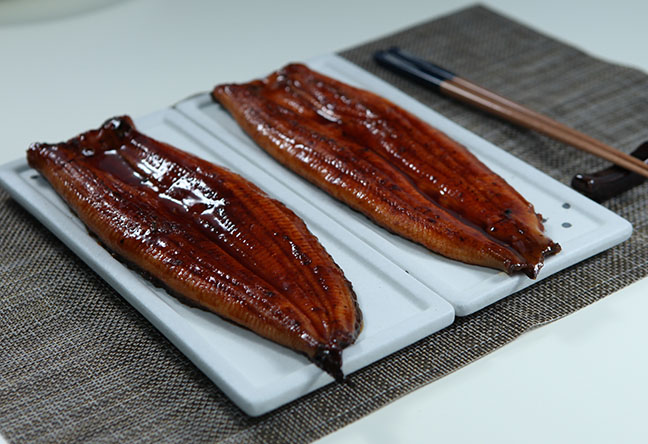
Nuestro producto unagi kabayaki Está diseñado para compradores que buscan una opción práctica y lista para calentar. Se puede servir sobre arroz, usar en menús de sushi o racionar para platos bento y donburi.
Anguilas europeas y americanas: familia similar, contexto de suministro diferente
La anguila europea y la anguila americana también son especies de anguila de agua dulce. Su carne puede ser sabrosa y tierna si se prepara adecuadamente, pero su disponibilidad comercial está muy influenciada por las regulaciones locales, los controles pesqueros, las prácticas de acuicultura y la demanda del mercado.
La anguila europea tiene una larga tradición en platos ahumados, en gelatina y en la gastronomía regional europea. La anguila americana se comercializa en Norteamérica a través de canales de venta de mariscos vivos, frescos y ahumados. Ambas se suelen vender por tamaño, por lo que los compradores deben confirmar el origen, el método de captura o cultivo, la documentación legal y el lugar de procesamiento antes de realizar el pedido.
En las compras de exportación, el mismo peso nominal no siempre garantiza el mismo resultado. La anguila destinada al ahumado puede requerir un tamaño y un nivel de grasa diferentes a los de la anguila utilizada para el sushi o para la venta al por menor a la parrilla.
Anguila de agua dulce versus anguila marina: sabor y textura
sabor a anguila de agua dulce
La anguila de agua dulce suele tener un sabor intenso y ligeramente dulce, y una textura suave y aceitosa tras la cocción. Su calidad final depende de la especie, la alimentación, las condiciones de cultivo, el nivel de grasa y el método de preparación. Asarla a la parrilla le da una textura ligeramente crujiente por fuera, manteniendo la ternura por dentro.
Este perfil de sabor combina bien con salsas intensas pero equilibradas. El kabayaki al estilo japonés suele utilizar un tare agridulce elaborado con salsa de soja, azúcar y mirin o un sistema de condimentos similar. Puede consultar nuestra producto de salsa de anguila al comparar las opciones de salsas para restaurantes, mayoristas y producción de alimentos preparados.
La anguila de agua dulce también funciona bien en platos de fideos, tazones de arroz, rollos de sushi y brochetas a la parrilla. Nuestra guía para recetas de anguila Muestra cómo la anguila cocida puede utilizarse en sopas en lugar de servirse únicamente con arroz.
sabor a anguila marina
La anguila marina presenta una gran variabilidad debido a que esta categoría incluye varias familias y especies. La anguila congrio suele tener una carne firme y blanca, con un sabor marino más limpio. Según la especie y el corte, puede ser más magra y menos grasosa que la anguila japonesa de cultivo.
La anguila marina se suele estofar, freír, asar a la parrilla o utilizar en sopas y guisos. En algunos mercados, la cabeza y las espinas se aprecian para la elaboración de caldos. Los filetes gruesos conservan su forma durante la cocción, mientras que las porciones más pequeñas se venden como filetes o trozos congelados.
Ninguno de los dos grupos es automáticamente "mejor". Un restaurante japonés que prepara un tradicional bol de unagi suele especificar anguila de agua dulce. Un procesador de mariscos que produce porciones congeladas mixtas puede optar por la anguila marina en función del precio, el rendimiento del corte y las preferencias de los consumidores locales.
Cómo se utilizan los productos derivados de la anguila en los mercados internacionales
El formato más adecuado depende de la actividad del comprador. Los productos de anguila más comunes incluyen:
- Anguila entera congelada: Adecuado para plantas procesadoras que cuenten con sus propias líneas de limpieza, corte, sazonado y cocción.
- Filetes de anguila congelados: Útil para restaurantes y fabricantes que necesitan un control de porciones más rápido con menos preparación.
- Unagi kabayaki: Anguila a la parrilla, sazonada y congelada, diseñada para un servicio rápido tras descongelarla y recalentarla.
- Salsa de anguila o unagi tare: Se utiliza para platos de arroz, sushi, mariscos a la parrilla, fideos y kits de comida para la venta al por menor.
- Anguila ahumada: Un formato tradicional en varios mercados europeos y regionales.
- Porciones de anguila marina: Se suelen vender en forma de filetes, lomos o trozos para sopas, guisos, frituras y otros platos de marisco.
Los requisitos de embalaje y cadena de frío deben acordarse antes de que comience la producción. Confirme el peso neto, el porcentaje de glaseado, la configuración de la caja, la temperatura de almacenamiento, la vida útil, las instrucciones de cocción, el texto de la etiqueta y los certificados necesarios. Para el suministro a restaurantes, confirme también si cada porción requiere un peso fijo o una cantidad fija de piezas por caja.
¿Qué tipo de anguila es la mejor para los compradores comerciales?
No existe una única opción ideal para todos los mercados. El tipo de anguila más adecuado depende del menú, las expectativas del cliente, la capacidad de procesamiento y el precio objetivo.
| Requisitos del comprador | Suele ser una opción adecuada | Razón |
|---|---|---|
| Menús de tazones de arroz japoneses o sushi | anguila japonesa u otra anguila de agua dulce especificada | Textura rica y presentación consolidada del unagi |
| Restaurante de servicio rápido | kabayaki cocido congelado | Tiempo de preparación corto y porciones uniformes |
| Productos ahumados tradicionales europeos | Anguila europea, donde esté disponible legal y comercialmente. | Tradición consolidada de sabores y productos regionales. |
| Sopas, guisos y mariscos cortados | porciones de anguila marina o de anguila de agua dulce | La elección puede basarse en la firmeza, el rendimiento de corte y el costo. |
| Comidas de marca propia para el comercio minorista | Anguila precocinada con salsa y envasado controlado. | Preparación sencilla para los consumidores y planificación de porciones más fácil. |
Antes de aprobar una muestra, pruébela con el método de presentación previsto. Caliente una porción sobre arroz, pruebe otra en un plato de sushi y prepare una tercera con la salsa elegida. Compruebe el aroma, el estado de la piel, la presencia de espinas, la adherencia de la salsa, el tamaño de la porción y la textura después de recalentarla.
Solicite al proveedor que identifique la especie en la ficha técnica. La simple mención de "anguila" no es suficiente para una orden de compra técnica. El documento debe indicar la especie, el origen, la forma del producto, el tamaño, los ingredientes, los aditivos (si los hubiera), las condiciones de almacenamiento y los requisitos microbiológicos o reglamentarios del país de destino.
Cómo comparar especies de anguila antes de hacer un pedido
Utilice estas preguntas al evaluar un nuevo proveedor o producto:
- ¿El producto es una anguila de agua dulce o una anguila marina?
- ¿Cuál es el nombre científico y el origen declarado?
- ¿Cuál es el peso promedio por pieza y la variación de tamaño permitida?
- ¿La anguila está cruda, cocida, ahumada, sazonada o en salsa?
- ¿Cuánta carne aprovechable queda después de descongelarla y recortarla?
- ¿El producto contiene huesos? ¿Cómo se manipulan?
- ¿Cuáles son el peso de la caja, el embalaje interior y la cantidad mínima de pedido?
- ¿Puede el proveedor facilitar muestras y documentos de exportación para su mercado?
Estos detalles ayudan a evitar un error común al comprar: elegir una anguila por su especie y luego recibir un producto que no se ajusta al proceso culinario previsto. Es importante elegir la especie correcta, pero también lo son el corte, el punto de cocción, la cantidad de salsa y el formato de envasado congelado.
Preguntas frecuentes sobre las especies de anguila
¿En qué se diferencian las especies de anguilas?
Las especies de anguilas difieren en hábitat, tamaño adulto, contenido de grasa, textura de la carne, disponibilidad geográfica y uso tradicional. Las anguilas japonesas, europeas y americanas son anguilas de agua dulce del género AnguilaLas anguilas congrio y lucio son anguilas marinas de diferentes grupos taxonómicos. Antes de comprar, verifique la especie, el tamaño y el método de procesamiento.
¿Qué tipo de anguila es la mejor para los compradores comerciales?
Para los boles de unagi, el sushi y los platos a la parrilla al estilo japonés, la anguila japonesa u otra anguila de agua dulce claramente especificada suele ser la opción más adecuada. El unagi kabayaki congelado es práctico para los restaurantes que necesitan una preparación rápida. Para sopas, guisos, productos ahumados o mariscos congelados en general, la anguila marina u otra especie regional puede ser más apropiada. La mejor opción depende de su menú, mercado objetivo, requisitos de porción y condiciones legales de abastecimiento.
¿Cuáles son los principales tipos de anguila?
Los principales tipos comerciales incluyen la anguila japonesa, la anguila europea, la anguila americana, las anguilas de aleta corta y de aleta larga de Australasia, y especies marinas como la anguila congrio. El primer grupo pertenece principalmente al género de las anguilas de agua dulce. AnguilaAunque estas anguilas migran a través de ambientes marinos durante su ciclo de vida, las anguilas marinas permanecen en el mar y se suelen vender en forma de filetes, lomos o mariscos congelados cortados.
¿La anguila de agua dulce es lo mismo que la anguila marina?
No. La anguila de agua dulce generalmente se refiere a Anguila Especies que pasan gran parte de su etapa de crecimiento en ríos, lagos, estuarios o aguas costeras. El término anguila marina generalmente se refiere a especies que habitan en el mar, como la anguila congrio. Su sabor, textura, tamaño corporal y usos comunes en el procesamiento pueden variar.
¿Qué productos derivados del pescado anguila están disponibles para el sector de la restauración?
Los compradores del sector de la restauración pueden adquirir anguila entera, filetes, porciones congeladas, anguila ahumada, unagi kabayaki cocida y salsa de anguila. El kabayaki listo para calentar se suele elegir para boles de arroz, menús de sushi, bento y establecimientos de comida rápida. Las especificaciones del producto deben incluir el peso por pieza, la proporción de salsa, el envase, la temperatura de almacenamiento y las instrucciones para recalentar.
Conclusión: Relaciona la especie con el producto.
Las especies de anguila no son idénticas en tamaño, sabor, textura ni uso comercial. La anguila de agua dulce se asocia principalmente con el unagi y platos a la parrilla contundentes, mientras que la anguila marina proporciona porciones firmes para sopas, guisos, filetes y otras preparaciones con mariscos.
Eelpro Co., LTD suministra anguila kabayaki congelada, salsa de anguila, mariscos congelados y anguilas de agua dulce para compradores internacionales. Contáctenos e indíquenos su mercado objetivo, formato del producto, tamaño, requisitos de empaque y volumen estimado para que podamos analizar las especificaciones adecuadas.
 WhatsApp
 ventas@chinaeels.com
 +8619937922411