


Why Simmer Time for Home Made Eel Sauce is So Deceptive
You've combined the soy sauce, mirin, sake, and sugar. The mixture is on the stove, bubbling away. Now comes the hard part: knowing when to stop. Simmer your home made eel sauce for too little time, and you get a watery glaze that won't cling to your unagi. Simmer it for a minute too long, and you're left with a bitter, burnt syrup that's impossible to use. The perfect consistency—a glossy, viscous sauce that coats a spoon—is a moving target, influenced by factors far beyond the timer on your stove.
My name is Nancy Chen, and as a Senior Food Safety and Quality Specialist at Eelpro, I've spent over a decade managing the precise production of sauces for our export clients. We produce thousands of tons of commercial eel sauce, where consistency is not just a goal, but a requirement. While a home kitchen operates on a different scale, the principles of reduction, caramelization, and viscosity are the same. This guide will walk you through the visual and physical cues that matter more than any clock, helping you achieve reliable results every time you make this classic Japanese condiment.
Understanding the Core Ingredients and Their Function
An authentic unagi tare, or eel sauce, achieves its signature flavor and texture through the careful reduction of just four key ingredients. Understanding how each one transforms with heat is the first step to mastering the process. Rushing this stage is one of the most common mistakes that leads to a flat or unbalanced sauce.

- Soy Sauce: This provides the foundational salty and umami flavor. During simmering, its water content evaporates, concentrating the flavor. Using a high-quality, naturally brewed soy sauce is essential, as lower-quality versions can become harsh and overly salty when reduced.
- Mirin: A sweet Japanese rice wine, mirin contributes sweetness and a characteristic gloss. Its sugars caramelize during simmering, which helps thicken the sauce and gives it a rich, amber color. It also helps balance the saltiness of the soy sauce.
- Sake: This Japanese rice wine adds depth and complexity, helping to mellow any sharp flavors. The alcohol in the sake is the first thing to burn off during the initial boil, leaving behind its subtle, fruity, and umami notes.
- Sugar: White or brown sugar provides the primary sweetness and is critical for viscosity. As the sauce simmers and water evaporates, the sugar concentration increases, creating the thick, syrupy texture. The sugar caramelizes, adding another layer of deep, rich flavor.
The goal of simmering is twofold: first, to evaporate the alcohol from the sake and mirin and some water from the soy sauce; second, to dissolve and caramelize the sugar, which thickens the liquid into a glaze. This is why a simple timer is often unreliable.
How Pan Size, Batch Volume, and Heat Affect Simmer Time
The most common question is "how long should it simmer?" The honest answer is: it depends. A recipe that calls for 15 minutes might be perfect for one person's setup but disastrous for another. Your equipment and batch size are the biggest variables. Pan width, sauce volume, and stove heat create a unique environment for reduction. Understanding these boundaries is key to achieving consistency.
Here is a breakdown of how these factors influence your simmer time.
| Factor | Impact on Simmer Time | Key Indicator to Watch |
|---|---|---|
| Wide, Shallow Pan | Shorter Time. A larger surface area allows for faster evaporation. A sauce that takes 20 minutes in a small saucepan might be done in 10-12 minutes in a wide skillet. | The bubbles will become smaller and more numerous across the entire surface. The sauce will thicken rapidly toward the end. |
| Narrow, Deep Pot | Longer Time. With less surface area exposed to air, evaporation is much slower. This gives you more control but requires more patience. | Bubbling will be concentrated in the center. The edges will thicken first. You must stir frequently to prevent scorching at the bottom. |
| Small Batch Volume (e.g., 1 cup) | Very Short Time. Small volumes can go from perfect to burnt in under a minute. The margin for error is extremely small. | Viscosity changes very quickly. Use the spoon test every 60-90 seconds once it begins to thicken. |
| Large Batch Volume (e.g., 4+ cups) | Much Longer Time. A larger volume has more thermal inertia and requires significantly more time to reduce. This process is more forgiving. | The initial reduction will seem slow. The final thickening stage will still happen relatively quickly, so stay attentive once it starts to coat a spoon. |
| High, Aggressive Heat | Fast but Risky. High heat speeds up evaporation but dramatically increases the risk of scorching the sugars, resulting in a bitter taste. Not recommended. | Large, violent bubbles. The sauce may foam up. A burnt sugar smell is an immediate warning sign. |
| Low, Gentle Simmer | Slow but Controlled. The ideal method. A gentle simmer allows water to evaporate and sugars to caramelize without burning, developing a deeper flavor. | Small, consistent bubbles breaking gently on the surface. Allows for gradual thickening and frequent testing. |
Signs You've Reduced the Sauce Too Far
It's crucial to stop simmering before the sauce reaches its final desired consistency, as it will thicken significantly as it cools. If you notice these signs, you've likely gone too far:
- A Burnt Smell: If you smell anything acrid or bitter, the sugars have scorched. Unfortunately, there is no way to fix this.
- Overly Thick While Hot: If the sauce is as thick as cold molasses while still hot on the stove, it will become a solid, candy-like mass when it cools.
- Very Dark Color: While eel sauce is dark, a sauce that is nearly black and opaque has likely been over-cooked.
A Reliable Method for Perfect Eel Sauce Consistency
Instead of relying on a timer, use your senses. This step-by-step process focuses on visual and textural cues to guarantee a great result, whether you're making a small batch for home use or testing a recipe for your restaurant.
- Combine and Dissolve: In a saucepan, combine your soy sauce, mirin, sake, and sugar. Stir over medium heat until the sugar is completely dissolved before letting it come to a boil.
- Initial Boil: Bring the mixture to a full boil for 1-2 minutes. This is primarily to cook off the alcohol from the sake and mirin. You may notice the initial sharp smell of alcohol dissipating.
- Reduce to a Simmer: Lower the heat immediately to maintain a gentle, steady simmer. You should see small, consistent bubbles, not a rolling boil. This is the reduction phase.
- Watch the Bubbles: As the sauce reduces, the bubbles will change. Initially, they will be large and thin. As the sugar concentrates, the bubbles will become smaller, thicker, and more numerous. This is a key sign that you're approaching the right consistency.
- Perform the Spoon Test: This is the most reliable indicator. Dip a cool metal spoon into the sauce and pull it out.
- Too Thin: The sauce runs off the spoon like water, leaving almost no coating. Keep simmering.
- Getting Close: The sauce clings to the spoon in a thin, translucent film. It's thickening but not yet a glaze.
- Perfect: The sauce coats the back of the spoon in an opaque layer. When you draw a finger through the sauce on the spoon, the line holds its shape for a few seconds before slowly filling in. This is the ideal time to remove it from the heat.
- Cool and Thicken: Pour the sauce into a heatproof jar or bowl immediately to stop the cooking process. Remember, it will thicken substantially as it cools to room temperature, achieving its final, syrupy consistency.
This sauce is the perfect glaze for frozen unagi kabayaki, giving it that authentic, glossy finish seen in Japanese restaurants.
From Home Kitchen to Commercial Scale: Ensuring Consistency
Achieving a perfect batch of home made eel sauce is rewarding. Now, imagine producing 4,000 tons of it annually with every bottle having the exact same viscosity, color, and flavor. That's the challenge we manage at Eelpro. For our foodservice clients in Japan, the United States, and the EU, consistency is non-negotiable.
We don't rely on spoon tests. Our process is governed by strict quality controls and patented technology:
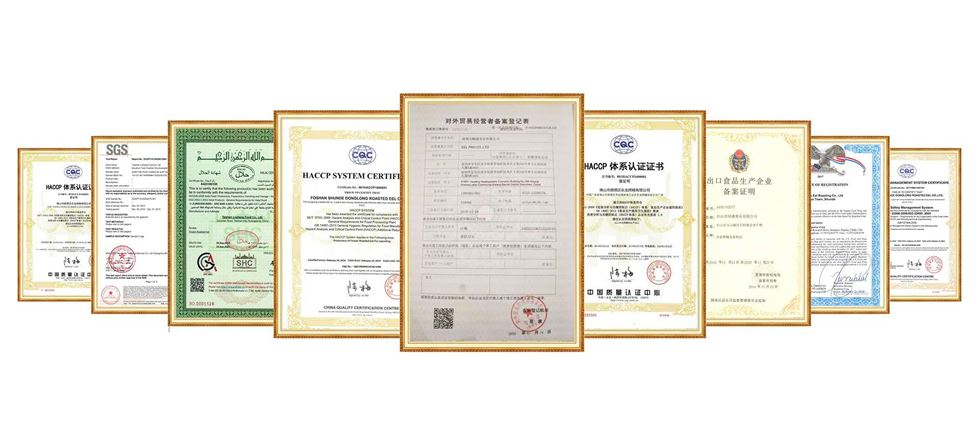
- ISO 22000:2018 & HACCP Systems: Every step, from raw material intake to final packaging, is monitored through our certified food safety management system. Our in-house lab validates every batch.
- Precise Temperature and Time Control: Our automated cooking systems control heat and simmering duration to the second, ensuring uniform reduction across massive batches.
- Viscosity Measurement: We use viscometers to measure the exact thickness of the sauce, ensuring it meets client specifications for glazing, dipping, or bottling.
- Full Traceability: We are a high-quality unagi kabayaki manufacturer with a system that tracks ingredients from our 20 customs-registered eel farming bases all the way to the finished product.
For restaurants, importers, and food distributors, sourcing a commercially prepared eel sauce eliminates the variables of in-house production. It saves labor, guarantees a safe and stable product, and delivers the authentic taste customers expect, batch after batch. Our ready-to-use unagi tare provides that perfect glaze without the risk of a burnt, inconsistent, or time-consuming kitchen prep.
If your business requires a reliable supply of high-quality unagi kabayaki or eel sauce that meets stringent export standards, we can help. Contact us to request a product specification sheet or to discuss your sourcing needs.