





How to Fix Overly Salty DIY Eel Sauce Without Losing Thickness
You've simmered soy sauce, mirin, sake, and sugar, expecting a perfect, glossy unagi tare. But a taste test reveals a critical error: it's far too salty. This is a common frustration when developing a diy eel sauce. The initial impulse is to add water or more sugar, but this often leads to a new set of problems—a watery, thin glaze or a sauce that's cloyingly sweet. The real challenge isn't just reducing salinity; it's doing so while maintaining the ideal viscosity and complex flavor profile required for dishes like unagi kabayaki.
As a quality specialist with over a decade in seafood export, I've seen how precision impacts the final product. At Eelpro, our commercial eel sauce is produced under strict controls, but the principles of balancing flavor are universal. The key is a controlled, two-step process: dilution followed by reduction. This method allows you to precisely correct saltiness without compromising the rich, syrupy texture that defines a high-quality eel sauce.
The Dilution-and-Reduction Method: A Step-by-Step Fix
Simply adding water makes the sauce thin. Just adding sugar makes it overly sweet and can disrupt the savory balance. The professional approach involves diluting the entire batch to lower the salt concentration, then gently simmering to evaporate the added liquid, which re-thickens the sauce and melds the flavors. This is how you rescue your batch without starting over.
Step-by-Step Correction Process
- Measure Your Starting Point: Pour your overly salty sauce into a measuring cup to determine the exact starting volume. Let's say you have 500 ml of sauce.
- Calculate Your Dilution Liquid: Start by adding 20-25% of the sauce's volume in a low-sodium liquid. For 500 ml of sauce, this would be 100-125 ml. The best choice is water, as it's a neutral diluent. Unsalted chicken or fish stock can add complexity but is not a pure corrective. More sake can also be used if the alcohol flavor has already cooked off.
- Combine and Taste: Add the calculated liquid to your sauce in a saucepan. Stir well and taste. The saltiness should be noticeably reduced, but the sauce will be thin. This is the expected intermediate step.
- Re-balance Sweetness (If Needed): Diluting with water also reduces the relative sweetness. You may need to add a small amount of sugar or mirin back in. Add one tablespoon at a time, dissolve it completely, and taste before adding more. The goal is to restore balance, not to make it sweeter than the original target.
- Gentle Reduction: Place the saucepan over low to medium-low heat. Bring it to a very gentle simmer—you should see small, slow bubbles, not a rolling boil. A vigorous boil can cause the sugar to burn and create a bitter taste.
- Monitor Viscosity: Let the sauce reduce slowly, stirring occasionally to prevent it from sticking or burning. The goal is to evaporate the water you added in Step 2. To check the thickness, dip a cool spoon into the sauce and see how it coats the back. Remember, the sauce will thicken further as it cools. Once it coats the spoon and drips slowly, it's ready.
Why This Method Works: A Comparison
Understanding the impact of each adjustment is key. Here is a breakdown of the common, flawed approach versus the measured, professional method.
| Parameter | The Wrong Way (Just Adding Water/Sugar) | The Right Way (Dilution & Reduction) |
|---|---|---|
| Salinity | Temporarily reduced, but the flavor balance is thrown off. Adding only sugar masks saltiness but increases sweetness disproportionately. | Effectively and proportionately reduced. The overall salt concentration of the entire batch is lowered. |
| Viscosity | Adding water makes the sauce permanently thin and watery. Adding only sugar can make it gritty or overly thick and sticky. | Restored to the target consistency. The reduction phase evaporates the excess liquid, concentrating the sugars and proteins back to a glossy glaze. |
| Flavor Depth | Diluted and weakened. The complex notes from the mirin and sake are washed out by plain water. | Preserved and concentrated. The slow simmer allows flavors to meld and deepen, resulting in a more cohesive taste profile. |
| Control | Unpredictable guesswork. It's easy to overshoot and create a new problem (too sweet or too thin). | Measured and repeatable. By working with percentages and volumes, you can achieve a consistent result every time. |
Common Pitfalls to Avoid in Eel Sauce Production
Whether you're making a small batch or specifying requirements for a bulk order, certain mistakes can compromise the quality of your unagi tare. As an ISO 22000 and HACCP certified auditor, I've seen these issues in facilities of all sizes. Avoiding them is fundamental to creating a premium product.
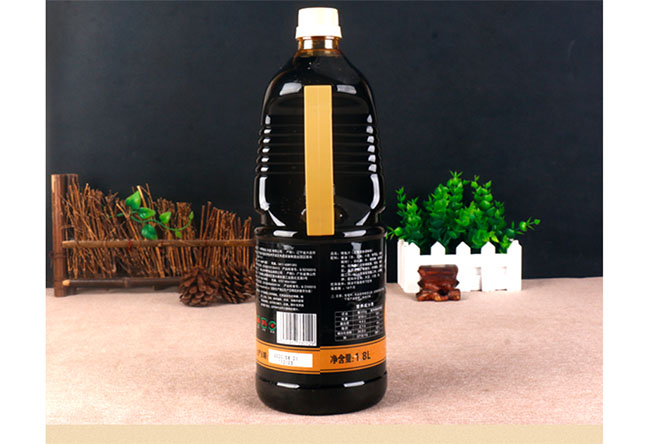
- Using Inferior Soy Sauce: The quality of your soy sauce is the foundation of your unagi tare. Low-grade soy sauces often contain harsh chemical notes and inconsistent sodium levels, making it difficult to achieve a balanced flavor. Choose a naturally brewed soy sauce for a smoother, more complex umami profile.
- Rushing the Simmering Process: Good eel sauce cannot be rushed. Boiling the sauce on high heat to speed up reduction is a critical error. It can scorch the sugars, creating a bitter aftertaste, and prevent the flavors from melding properly. A slow, patient simmer is non-negotiable.
- Ignoring the Base Ingredients: Traditionally, authentic unagi tare is made by simmering the sauce with roasted eel bones. This infuses the liquid with a deep, savory flavor that cannot be replicated with basic ingredients alone. While many modern recipes omit this step for simplicity, it's what separates a good sauce from a great one. This is a standard part of the process for any high-quality unagi kabayaki manufacturer.
- Incorrect Sugar Crystallization: If the sugar-to-liquid ratio is off or if the sauce is agitated too much while cooling, the sugar can crystallize, resulting in a grainy texture. Ensure all sugar is fully dissolved during the heating process and allow the sauce to cool undisturbed.
Scaling for Consistency: From Test Kitchen to Commercial Supply
Perfecting a recipe in a small kitchen is one thing; ensuring that the 1,000th liter tastes identical to the first is another. For foodservice clients, restaurant chains, and importers, consistency is paramount. At Eelpro, our two modern production lines have an annual capacity of 4,000 tons, and maintaining consistency across that volume requires stringent process controls that can be applied to any scaling effort.
Here are key considerations for scaling an eel sauce recipe successfully:
By applying these industrial principles, you can ensure your diy eel sauce maintains its quality and consistency, whether you're making a single jar or supplying a chain of restaurants. It transforms a simple recipe into a reliable, replicable product standard.
For businesses in Japan, the US, Germany, or Australia needing a reliable supply of perfectly balanced, export-grade eel products, our certified processes deliver that consistency at scale. Our products meet stringent EU and US food inspection standards, mitigating trade risks for our partners.
Achieving the perfect eel sauce requires more than a good recipe—it demands technique and an understanding of how ingredients interact. By using a measured approach to correct mistakes like excess saltiness, you can produce a consistently delicious product. For importers and foodservice businesses that require guaranteed quality and consistency at scale, sourcing from a certified supplier is the most reliable solution. Contact Eelpro to request specifications or a sample of our commercially produced eel sauce and unagi kabayaki.
 WhatsApp
 sales@chinaeels.com
 +8619937922411