


How to Grill Teriyaki Eel Without Burning the Glaze
The perfect piece of teriyaki eel has a deep, glossy sheen and a rich, savory-sweet flavor. But achieving that beautiful finish is a delicate balance. The high sugar content in traditional eel sauce can go from perfectly caramelized to a bitter, burnt mess in seconds under the heat of a grill. For foodservice businesses, this inconsistency can lead to product waste and unhappy customers. The key to success isn't just about heat; it's about timing.
The core problem lies in the sauce itself. A classic glaze is a mixture of soy sauce, mirin, sake, and sugar. When heated, these sugars undergo caramelization, a process that creates the complex flavors and deep brown color we associate with unagi kabayaki. However, if applied too early or exposed to direct heat for too long, the sugars will burn long before the eel fillet is properly heated through. This guide explains the precise technique for glazing eel during grilling to ensure a flawless result every time.
Understanding the Foundation: Why High-Quality Eel Matters
Before you even approach the grill, the quality of your eel fillet determines more than half of your success. A poorly processed fillet may have excess moisture, uneven thickness, or residual off-flavors, all of which interfere with the grilling and glazing process. At Eelpro, we manage the entire supply chain to prevent these issues, ensuring our clients receive a consistent, high-quality product ready for finishing.
Our process begins at our ~20 customs-registered eel farming bases. These farms, covering over 2,150 mu, provide a consistent supply of over 5,000 tons of raw material annually. This full-chain traceability, from the unagi eel farm to final shipment, is verified through targeted sampling and tracking. Inside our ISO 22000:2018 and HACCP certified facility, we use patented technologies for low-fat roasting and deodorizing. This creates a cleaner-tasting eel with a texture that holds up perfectly to grilling and readily accepts the glaze.
Our quality control is managed by a team of 25 specialists and supported by our professional in-house eel lab and metal detectors at critical control points. This is how we consistently meet the stringent veterinary drug residue and microbiological standards for export to Japan, the United States, and the European Union.
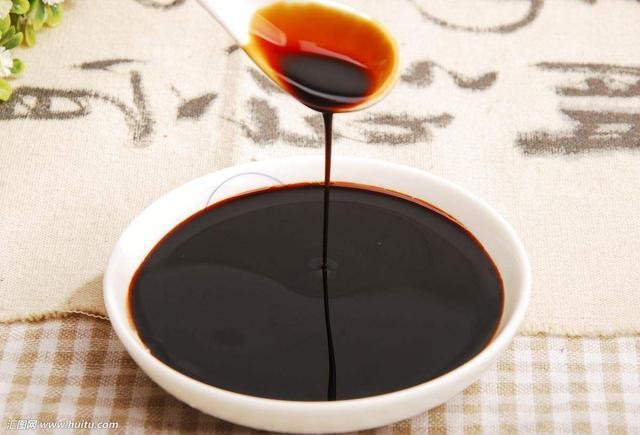
The Glazing Sequence: A Step-by-Step Guide to Perfect Caramelization
The most common mistake chefs make is applying the sweet glaze to the eel at the beginning of the cooking process. This is a recipe for failure. The sugars need only a short window of high heat to caramelize; any longer, and they will burn. Here is the correct sequence for applying the glaze to achieve a perfect finish without scorching.
This procedure applies whether you're starting with a plain, white-roasted (shirayaki) eel or a pre-glazed frozen unagi kabayaki product that you want to refresh and finish on the grill.
Step-by-Step Glazing Procedure
- Prepare the Eel and Grill: Ensure your eel fillet is fully thawed and pat it dry with a paper towel to remove any surface moisture. This helps it heat evenly. Preheat your grill to a medium-high heat. You want enough heat to warm the eel quickly but not so much that it instantly scorches the sauce.
- The Initial Heating (No Sauce): Place the eel fillet skin-side down on the grill. Let it heat for 2-3 minutes. The goal here is to warm the fillet through and lightly crisp the skin. Do not apply any sauce at this stage.
- The First Glaze Application: Flip the eel so it is meat-side up. Now, apply a thin layer of eel sauce with a brush. The fillet should be about 70-80% heated through at this point. The heat radiating through the meat will begin to warm and set the sauce from below.
- The Flip and Caramelize: After about 30-45 seconds, flip the eel again so the glazed side is now facing the heat. This is the critical caramelization window. Watch it closely. You should see the sauce bubbling and thickening. This should take no more than 30-60 seconds. You are looking for a color change and glossiness, not char marks.
- Layering for Depth: Flip the eel back to meat-side up. Apply a second thin layer of sauce. Repeat the process of flipping to caramelize for another 30 seconds. For a richer flavor and darker color, you can apply a third and final layer. Thin layers are always better than one thick, heavy coat.
- Rest and Serve: Remove the eel from the grill and let it rest for a minute before cutting and serving. This allows the glaze to set fully.
Common Glazing Mistakes to Avoid
- Applying Sauce Too Early: Glazing a cold fillet and putting it on the grill guarantees the sauce will burn before the eel is hot.
- Using Too Much Sauce: A thick layer of sauce will bubble and burn on the outside while the layer closest to the meat remains runny and uncaramelized.
- Excessively High Heat: While high heat is needed, a roaring flame will blacken the sugar instantly, creating a bitter taste. Control your heat.
- Walking Away from the Grill: The caramelization process for teriyaki eel takes less than a minute. It requires your full attention.
Scaling for Commercial Success: Sourcing and Specification
For restaurant chains, food importers, and wholesale distributors in markets like Germany, Poland, and Australia, consistency is paramount. Replicating the perfect grilled teriyaki eel across multiple locations requires a product that is standardized from the source. This is where partnering with a certified manufacturer makes a significant difference.
Our two modern production lines have a combined annual capacity of 4,000 tons, supported by a 1,000-ton cold storage facility. This infrastructure ensures we can handle large, regular orders for our clients, with a typical delivery time of around 30 days from confirmation. Our products are designed for foodservice efficiency. We offer custom cutting specifications—including shredding, dicing, and sushi slices—to reduce back-of-house labor costs for our partners.

When evaluating a supplier for frozen eel, foodservice buyers should verify several key factors. Here is a checklist to guide your sourcing decision.
Buyer's Decision Checklist for Frozen Eel
| Criterion | What to Look For | Why It Matters |
|---|---|---|
| Food Safety Certifications | ISO 22000:2018, HACCP system, HALAL certification. Look for an official Export Food Producer Registration Certificate. | Ensures the supplier adheres to internationally recognized food safety management standards, reducing the risk of contamination and import rejections. |
| Traceability & Sourcing | Vertically integrated supply chain with customs-registered farming bases. Full traceability from farm to shipment. | Guarantees control over raw material quality, including feed and water conditions, which directly impacts the final product's flavor and safety. |
| Processing Technology | Documented standards for roasting and glazing, such as established color standards. Patented technology for fat reduction or flavor improvement is a plus. | Advanced processing leads to a more consistent product in terms of taste, texture, and appearance. Our 4-layer soy-sauce coating process creates a deep, balanced flavor. |
| Production Capacity & Logistics | Clear figures on annual production capacity and cold storage volume. Established logistics for your target market (e.g., US, EU, Southeast Asia). | Confirms the supplier can handle your order volume and maintain the cold chain, ensuring product integrity upon arrival. |
| Export Compliance | Experience and proven success exporting to demanding markets like Japan, the US, or the EU. Products should meet their specific food inspection standards. | Helps you avoid trade risks, customs delays, and costly rejections by ensuring the product is already compliant with your local regulations. |
By using this checklist, buyers can better assess a supplier's ability to provide a reliable and safe supply of high-quality unagi kabayaki manufacturer , frozen eel supplier that performs consistently in a commercial kitchen environment.
For consistent, high-quality frozen unagi kabayaki that meets international standards, contact our team for a product specification sheet or to request a sample.