





Unagi How to Cook on a Grill Without Burning the Glaze or Splitting the Fillet
Here's the question every home cook and kitchen manager asks after buying pre-cooked kabayaki: do you just reheat it, or finish it on the grill for that restaurant-style char? The short answer — grill it, but only for a few minutes, and only if you control the heat zone. Get this wrong and you'll either burn the soy glaze black or crack the fillet apart. This guide on unagi how to cook covers the exact temperature, timing, and skin-side placement that separates a soggy reheat from a properly crisp finish.
Why Pre-Cooked Unagi Needs a Different Approach Than Raw Fish
Frozen unagi kabayaki arrives already roasted and glazed through a multi-layer soy sauce process. That means the grill's job isn't to cook the flesh — it's already fully cooked and food-safe. The grill's real job is to re-crisp the skin, warm the flesh through, and caramelize the outer glaze layer one more time without scorching it.
This distinction matters because a lot of kitchens treat kabayaki like raw fish and blast it over high, direct heat for too long. Since the sugar-heavy glaze is already dark from the original roasting, a second hard char turns bitter fast. The fix is shorter exposure at a moderate, controlled temperature — not a long sear.
Eel Grill Temperature: What Each Setting Actually Does
Grill temperature is the single biggest variable that determines whether you get crisp skin or a burnt shell. Here's what happens at each range:
| Temperature | Effect on Skin | Effect on Glaze | Risk if Held Too Long |
|---|---|---|---|
| Low (130–150°C / 265–300°F) | Softens but doesn't crisp | Barely reactivates | Skin stays rubbery, no char |
| Medium (180–200°C / 355–390°F) | Crisps evenly, blisters slightly | Caramelizes without blackening | Minimal — this is the target zone |
| High (230°C+ / 445°F+) | Crisps in seconds, then burns | Sugars scorch, turn bitter | Glaze blackens in under 60 seconds |
The medium band is where you want to sit. At this range, the skin's collagen tightens and bubbles just enough to crisp, while the glaze's sugar content browns instead of carbonizing. Push past 220°C and you're racing against a very short burn window — most kitchen grills don't give you enough control margin there.
Boundary: When Direct Heat Causes Glaze Burning or Fillet Splitting
This is the part most recipes skip, and it's where most home cooks lose the fillet. Direct heat is fine — but only within a boundary defined by three factors: skin-side positioning, basting timing, and total exposure time.
- Skin-side down first, always. The skin is thicker and more heat-tolerant than the glazed flesh side. Placing skin-side down first lets the collagen layer act as a buffer while it crisps, protecting the delicate meat from direct flame contact.
- Flip only once, and only after the skin releases cleanly. If the skin sticks to the grate, it's not ready. Forcing a flip at this stage is the number one cause of fillet splitting — the connective tissue underneath hasn't firmed up yet.
- Baste with sauce only on the flesh side, and only in the final 60–90 seconds. Basting too early adds extra sugar that burns before the fish is done reheating. Basting too late means the glaze never gets a chance to set.
- Never leave flesh-side-down over direct high flame for more than 90 seconds. The soy glaze already contains sugar from the original roasting; a second direct hit at high heat pushes it past caramelization into carbon territory within roughly a minute and a half.
Outside this boundary — meaning skin-side-up first, basting too early, or exposure beyond 90 seconds per side — you get one of two failures: a blackened, bitter glaze coating, or a fillet that tears apart when you try to flip it because the skin didn't get the chance to firm up as a protective layer first.
Step-by-Step: How to Grill Unagi With Crispy Skin
- Thaw fully in the refrigerator, roughly 8–12 hours for a standard vacuum-packed fillet. Skipping this step means uneven heating and a soggy center even after grilling.
- Pat the skin dry with paper towel. Any surface moisture steams instead of crisps, which is the most common reason home-grilled unagi skin turns rubbery.
- Preheat the grill to medium, 180–200°C (355–390°F). Use a grill thermometer if your setup runs hot — many gas grills read low but run 20–30°C hotter at the grate.
- Lightly oil the grate, not the fillet. Oiling the fish itself can cause flare-ups that scorch the glaze unevenly.
- Place skin-side down for 2–3 minutes, undisturbed. Don't press or move it — let the skin release naturally.
- Flip once, flesh-side down, for 60–90 seconds maximum.
- Brush on eel sauce (unagi tare) in the final 60 seconds only, in one thin layer.
- Rest for 1–2 minutes off heat before slicing. This lets residual heat finish warming the center without additional grill exposure.
Total grill time for an already-cooked fillet should land around 4–5 minutes total. Anything beyond 6 minutes on direct heat is almost always too long for pre-roasted kabayaki.
Common Mistakes That Ruin the Crisp-Skin Finish
- Grilling from frozen. The outside chars before the inside even warms — always thaw first.
- Using high heat "to save time." The glaze's sugar content burns in under a minute at high heat; medium heat with a slightly longer hold gives a more even result.
- Basting too early or too heavily. Extra sauce added at the start just becomes fuel for burning, not flavor.
- Flipping before the skin releases. This is the direct cause of fillet splitting — patience here matters more than timing precision.
- Skipping the rest period. Slicing immediately off the grill lets juices run out and the skin softens again from trapped steam.
Grill vs. Oven vs. Pan: Which Method Fits Your Kitchen
| Method | Best For | Skin Crispness | Time Needed |
|---|---|---|---|
| Grill (medium, direct) | Restaurant-style char, small batches | Highest, if timing is followed | 4–5 minutes |
| Oven broiler | Larger batches, less flare-up risk | Good, slightly less char | 6–8 minutes |
| Pan-sear (skin down) | No outdoor grill available | Moderate, needs a lid or press | 5–6 minutes |
For foodservice operations running standardized reheating, an oven broiler is often more consistent across large batches. But for a single-serving, restaurant-plate finish, the grill remains the top choice when the boundary rules above are followed.
Frequently Asked Questions
How to grill unagi with crispy skin?
Thaw fully, pat the skin dry, grill skin-side down first at medium heat (180–200°C) for 2–3 minutes, then flip and finish flesh-side down for 60–90 seconds before basting.
Should unagi be grilled skin side down?
Yes — skin side down first. The skin tolerates direct heat better than the glazed flesh and protects the fillet from splitting during the initial crisping phase.
How long to grill cooked unagi?
Since kabayaki is already fully cooked, total grill time should stay around 4–5 minutes — enough to crisp the skin and rewarm the center without burning the glaze.
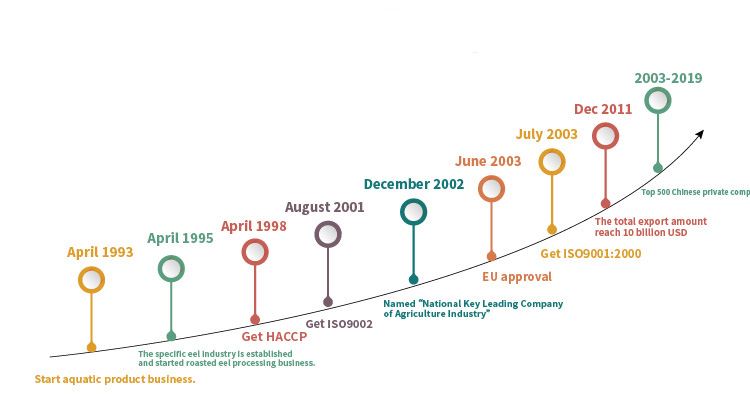
For kitchens sourcing at volume, consistent skin thickness and glaze coating matter as much as grill technique — see how our frozen eel supplier processing standardizes cut and coating before it ever reaches your grill. You can also review our kabayaki sauce process to understand why basting timing matters so much with our glaze formulation.

Cold Storage and Thaw Handling Before You Even Reach the Grill
Grill technique only works if the fillet arrives at the grate in good condition. Vacuum-sealed frozen kabayaki should move from freezer to refrigerator, not straight to room-temperature thaw — this avoids texture breakdown that leads to splitting later, even if your grill timing is perfect. Kitchens running high volume should check moisture content on the skin surface before grilling; leftover surface ice is the most overlooked cause of steamed, rubbery skin.
If you're scaling this for a menu or wholesale program, our unagi kabayaki eel line ships with standardized thickness specs so grill timing stays consistent across batches — a detail that matters more once you're running dozens of fillets per service rather than one at home.
Want to test grill timing on your own line before committing to a bulk order? Request a sample pack or spec sheet from our team and we'll walk you through the coating and cut options that fit your kitchen's equipment.
 WhatsApp
 sales@chinaeels.com
 +8619937922411