


What Is in Eel Sauce Made Of and Does It Contain Alcohol
As a food safety specialist, one of the most common questions I get from importers and foodservice buyers concerns ingredients, particularly alcohol. When they ask "what is in eel sauce made of," they're often trying to understand if it's suitable for all their customers. The answer isn't a simple yes or no, especially when traditional ingredients like mirin and sake are involved. The key lies in the cooking process and how a manufacturer controls it for quality and compliance.
Authentic eel sauce, or unagi no tare, gets its signature sweet and savory flavor from a careful reduction of just a few core components. Understanding these ingredients and how they transform during production is essential for sourcing a product that meets both culinary standards and international import regulations, including HALAL requirements.
The Core Ingredients of Traditional Unagi Tare
A high-quality eel sauce achieves a perfect balance of salty, sweet, and umami. This balance comes from simmering four fundamental ingredients until the mixture thickens into a rich, glossy glaze. While recipes vary, a true unagi tare relies on the interplay between these components.
- Soy Sauce (Shoyu): This is the foundation, providing the primary savory flavor and deep color. The quality of the soy sauce is critical. Naturally brewed soy sauces offer a more complex and less harsh saltiness compared to chemically produced alternatives. At Eelpro, we use a specific grade of soy sauce that forms the base of our proprietary 4-layer roasting glaze for unagi kabayaki eel.
- Mirin: A type of sweet Japanese rice wine, mirin is responsible for the sauce's characteristic sweetness and glossy sheen. True mirin (hon-mirin) contains about 14% alcohol, which plays a role in tenderizing and masking fishy odors. Many commercial sauces use mirin-style seasonings (aji-mirin), which have lower alcohol content but often contain added corn syrup and salt.
- Sake: This Japanese rice wine adds depth and umami. The alcohol in sake helps to mellow the strong flavors of the other ingredients and contributes to the overall aroma of the finished sauce.
- Sugar: Typically, granulated white or brown sugar is used to enhance the sweetness and aid in caramelization. The amount is carefully balanced against the mirin to achieve the desired viscosity and flavor profile without being overly sweet.
These ingredients are combined and simmered slowly. The reduction process concentrates the flavors, thickens the sauce, and, importantly, causes most of the alcohol to evaporate. This process is a critical control point in our production line, ensuring consistency in every batch of our commercial eel sauce.
Does Simmering Remove All Alcohol from Eel Sauce?
This is the most important question for buyers concerned with dietary restrictions, religious certifications like HALAL, or zero-alcohol menu policies. While it's a common belief that all alcohol "burns off" during cooking, the reality is more nuanced. The amount of remaining alcohol depends on the cooking time, temperature, and the surface area of the pot.
The United States Department of Agriculture (USDA) has published data on alcohol retention in cooking. The key takeaway is that while simmering significantly reduces alcohol content, it does not always eliminate it completely. Let's look at how this applies to making eel sauce.
| Cooking Duration & Method | Estimated Alcohol Retention | Relevance to Eel Sauce Production |
|---|---|---|
| 15 minutes simmering | ~40% | This is insufficient for commercial eel sauce, which requires a longer reduction to develop flavor and viscosity. A sauce cooked this briefly would be thin and retain significant alcohol. |
| 1 hour simmering | ~25% | Getting closer, but still not ideal. The flavor would be more developed, but the alcohol level could still be a compliance issue for sensitive markets. |
| 2.5 hours simmering | ~5% | This extended simmering time is typical for creating a thick, concentrated unagi tare. The alcohol content is drastically reduced to trace amounts, which may be acceptable for many applications but not for all. |
The Boundary for "Alcohol-Free" Claims
For a product to be certified HALAL or marketed as "alcohol-free," the standards are extremely strict. Even trace amounts of alcohol remaining from mirin or sake can be a point of non-compliance. This is why a supplier's production process and certifications are so important.
- For HALAL Certification: We produce a specific formulation of our eel sauce that is HALAL-certified. This version is made without using sake or traditional mirin to ensure it meets the strict zero-alcohol requirement from the start.
- For Standard Production: In our standard unagi tare, the prolonged, temperature-controlled simmering process reduces alcohol to negligible levels. However, we are transparent with clients that the original ingredients include mirin and sake. We provide full ingredient declarations so buyers can make informed decisions based on their specific market regulations in the EU, US, or Japan.
As a buyer, you must clarify your requirements with your supplier. Never assume "cooked" means "alcohol-free." Always request a specification sheet and confirmation of any relevant certifications.
Sourcing Commercial Eel Sauce: A Buyer's Checklist
Not all eel sauces are created equal. When sourcing for your restaurant chain, distribution network, or food import business, the details on the specification sheet can reveal a lot about the product's quality and consistency. A cheap sauce might save money upfront but can lead to poor flavor, inconsistent performance, and even compliance issues.
Here is a checklist to help you evaluate potential suppliers and ensure you receive a high-quality product that meets your needs.
Buyer's Decision Checklist for Unagi Tare
Using this checklist will help you avoid common pitfalls, such as sauces that are too thin, overly sweet from corn syrup, or which fail to meet import requirements. A reliable partner will provide clear answers to all these questions.
How Ingredient Quality Impacts Your Final Dish
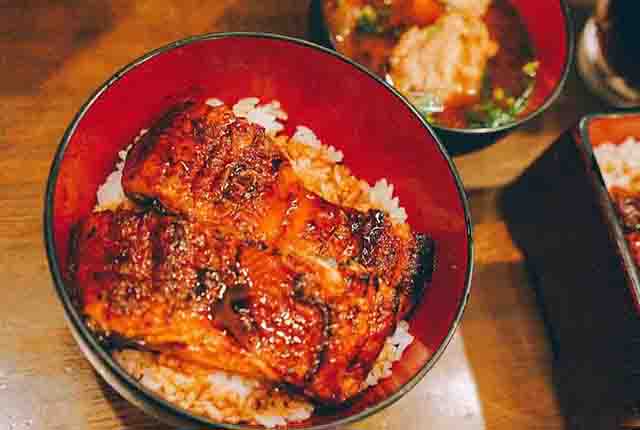
The difference between a memorable unagi dish and a forgettable one often comes down to the sauce. The quality of what is in eel sauce made of directly translates to the flavor on the plate.
Our patented low-fat roasting and deodorizing technology for high quality unagi requires a sauce that adheres perfectly without burning. This is achieved through a precise 4-layer coating process, where each layer is applied at a specific temperature. This method ensures the sauce caramelizes perfectly, creating a glaze that is rich but not cloying. A sauce made with inferior ingredients like high-fructose corn syrup would simply burn or fail to create that signature glossy finish.
For our clients, which include Japanese restaurant chains and US food importers, this consistency is non-negotiable. It ensures that the end consumer enjoys the same high-quality experience every time, protecting the restaurant's brand reputation. By controlling every step from the farming base to the final sauce reduction, we deliver a product that performs consistently and meets the stringent food safety standards of the EU, US, and Japan.
Ultimately, the ingredients in eel sauce define its character. While the classic recipe includes alcohol-based components, modern food manufacturing provides certified alcohol-free solutions without compromising the savory, sweet flavor profile that makes this sauce a global favorite.
If you require eel sauce with specific ingredient or certification requirements, please send us your specifications. Our technical team can provide a detailed quote and product data sheet for your review.