





What is Ankimo and How to Serve It Perfectly
For chefs and importers in Japanese cuisine, the question isn't just "what is ankimo?" but "how do we present its unique richness without overwhelming the palate?" Ankimo, often called the "foie gras of the sea," is steamed monkfish liver. It has a uniquely rich, creamy, and buttery texture with a mild, oceanic flavor that is less assertive than other types of liver. The challenge lies in its very strength: its high-fat content can feel heavy if not balanced correctly. A poorly executed dish can mask the delicate nuances of the liver, while a well-executed one creates a memorable, luxurious experience for the diner.
As a quality assurance specialist, I've seen how premium ingredients demand precise handling. The same principles of control and food safety we apply to our unagi kabayaki manufacturer , frozen eel supplier operations are essential for delicate products like ankimo. This guide provides a technical breakdown of how to prepare and serve ankimo, focusing on the classic pairing with ponzu sauce to achieve perfect balance.
The Art of Balance: Serving Ankimo with Ponzu and Condiments
The classic preparation of ankimo involves serving chilled slices with ponzu sauce, momiji oroshi (grated daikon with chili), and thinly sliced scallions. This combination is not arbitrary; each component serves a specific function to cut through the liver's richness and elevate its flavor. Getting this balance right is the key to a successful dish.
The goal is to complement, not conquer. The acidity of the ponzu, the sharp freshness of the scallions, and the mild spice of the daikon should frame the ankimo, making its creamy texture the star. If the condiments are too strong or the portion is too large, the dish becomes heavy and one-dimensional.
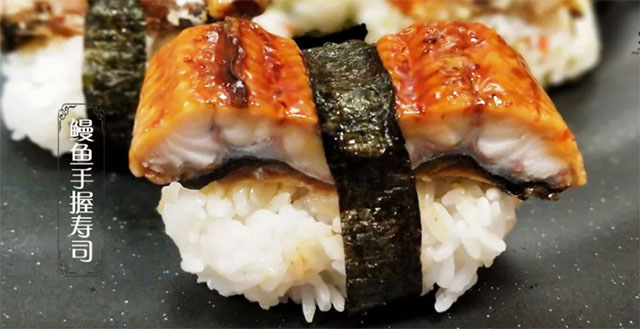
Here is a breakdown of how each element works to create a balanced flavor profile, preventing the fatty richness from overpowering the dish.
| Component | Function & Rationale | Chef's Checkpoint | Common Failure |
|---|---|---|---|
| Ponzu Sauce | The primary acidic element. The citrus (often yuzu or sudachi) and vinegar cut through the fat, cleansing the palate with each bite. Soy sauce adds a layer of umami that complements the liver's savory notes. | Taste the ponzu before dressing. It should be bright and tangy, not overly salty or sweet. A high-quality, well-balanced ponzu is critical. | Using a low-quality, overly salty ponzu that masks the ankimo's delicate flavor instead of highlighting it. |
| Grated Daikon (Momiji Oroshi) | Adds moisture, a subtle peppery bite, and textural contrast. The enzymes in fresh daikon can also aid digestion. The chili in momiji oroshi provides a gentle, warming heat. | Grate the daikon fresh for each service. Pre-grated daikon can become bitter and watery. Squeeze out excess liquid before plating. | Watery, bitter daikon that dilutes the ponzu and makes the dish messy. Too much chili can numb the palate to the liver's taste. |
| Thinly Sliced Scallions | Provides a sharp, aromatic freshness and a crisp texture. The mild oniony flavor offers a high note that contrasts with the deep, rich flavor of the ankimo. | Slice scallions paper-thin (konegi style) just before serving to maximize their fresh aroma and prevent wilting. | Thick, coarse scallion slices that are texturally jarring and have an overpowering, raw onion flavor. |
| Portion Size & Temperature | Ankimo should be served chilled in small, elegant portions (typically 2-3 slices, each about 1 cm thick). This makes it a rich appetizer, not a heavy main course. Chilling firms the texture and mutes the intensity slightly. | Ensure the ankimo is fully chilled before slicing with a sharp knife. The slices should be clean and hold their shape. | Serving oversized, lukewarm portions that feel greasy and overwhelming to the diner. |
Quality Indicators: A Buyer's Checklist for Sourcing Ankimo
For foodservice operators and importers, consistent quality is paramount. Sourcing high-grade ankimo is the first step to a great dish. The same meticulous standards we apply at our unagi eeel farm for eelpro co., ltd—from raw material selection to processing—are what you should look for in any premium seafood supplier. When evaluating frozen, pre-steamed ankimo logs, here are the critical quality checkpoints.
- Color: The ideal color is a uniform, pale pinkish-beige or ivory. Avoid products with dark spots, gray or greenish tints, or significant discoloration. These can indicate bruising, improper bleeding of the fish, or oxidation during processing.
- Texture & Firmness: A high-quality ankimo log should feel firm and hold its shape. When sliced, it should be smooth and creamy, not crumbly or watery. A mushy texture often points to poor handling, freeze-thaw issues, or a low-quality raw liver.
- Veining: Look for minimal veining. The liver should have been carefully deveined before being rolled and steamed. Large, prominent veins are a sign of poor preparation and will result in a bitter taste and unpleasant texture.
- Aroma: Even when frozen, the product should have a clean, neutral, or slightly sweet oceanic smell upon thawing. Any strong "fishy" or ammonia-like odors are clear indicators of spoilage and poor quality control.
- Packaging and Traceability: The product should be vacuum-sealed to prevent freezer burn and contamination. Reputable suppliers provide clear traceability information, including production dates, batch numbers, and origin. This is a standard we uphold for all our frozen seafood, ensuring accountability from farm to shipment.
- Certifications: Look for suppliers with recognized food safety certifications like HACCP and ISO 22000. These systems ensure that critical control points, from raw material receiving to final packaging, are monitored to prevent food safety hazards.
Common Mistakes in Ankimo Preparation and How to Avoid Them
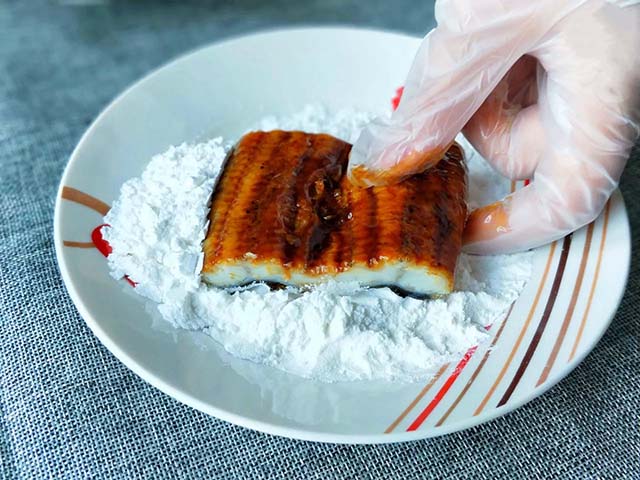
Beyond sourcing, kitchen preparation can make or break an ankimo dish. As with delicate products like our unagi kabayaki product, which requires specific heating methods to preserve its texture, ankimo demands careful handling. Here are common errors I've observed in foodservice settings.
Mistake 1: Improper Slicing
Using a dull knife or slicing the ankimo when it's too warm will cause it to crumble and smear. The presentation will be messy, and the texture will be compromised.
Solution: Ensure the steamed ankimo log is thoroughly chilled (around 3-5°C or 37-41°F). Use a very sharp, long-bladed knife. Dip the blade in hot water and wipe it clean between each cut to achieve perfectly smooth, clean slices.
Mistake 2: Over-Garnishing
Piling on too many strong-flavored garnishes or drenching the slices in ponzu sauce. This is a common attempt to "balance" the richness but ends up completely masking the main ingredient.
Solution: Apply the principle of "less is more." Use condiments as accents. Lightly spoon a small amount of ponzu over the slices just before serving. Place a small mound of momiji oroshi and a sprinkle of scallions on the side or on top, allowing the diner to control the ratio.
Mistake 3: Incorrect Serving Temperature
Serving ankimo at room temperature or, even worse, warm. When the fats in the liver are warm, the texture can become greasy and the flavor overly intense and liver-like.
Solution: Always serve ankimo chilled. Plate it on a chilled dish to help maintain its temperature. This keeps the texture firm and creamy, and the flavor clean and refined.
Mistake 4: Storing an Opened Log Improperly
Once an ankimo log is opened, it is highly susceptible to absorbing odors from the refrigerator and can oxidize, affecting its flavor and color.
Solution: Tightly wrap any unused portion in plastic wrap, ensuring no air is trapped against the surface. Store it in an airtight container in the coldest part of the refrigerator and use it within 1-2 days. Never store it next to strong-smelling items like onions or other raw seafood.
By avoiding these pitfalls, you ensure that the high-quality product you sourced is presented in a way that honors its delicate character. This commitment to procedural excellence is something we practice daily in our own facility, where our 25-person quality control team and in-house eel lab of Eelpro Co., Ltd enforce strict standards for every product we ship.
Understanding what ankimo is and how to properly prepare and serve it allows you to add a truly luxurious and authentic item to your menu. The key is respecting the ingredient's inherent richness and using classic Japanese techniques to create a harmonious, balanced dish.
While our expertise is focused on premium frozen eel, the principles of quality, safety, and precise processing apply to all high-value seafood. If your business requires a partner who understands the demands of the Japanese, US, and EU markets, contact us to discuss your sourcing needs.

 WhatsApp
 sales@chinaeels.com