





Are Gulper Eels Dangerous to Humans in the Wild?
A gulper eel opens its huge mouth in a deep-sea video, and the image can look like something from a monster film. So, are gulper eels dangerous to humans? The short answer is no in normal real-world conditions: they live far below where people swim, their teeth are small, and humans are not part of their usual feeding pattern.
People often ask are gulper eels dangerous to humans after seeing the animal’s oversized jaw and long whip-like tail. The appearance is dramatic. The actual risk is not. A gulper eel is adapted to finding scattered prey in dark ocean waters, not chasing divers, attacking swimmers, or interacting with fishing crews at the surface.
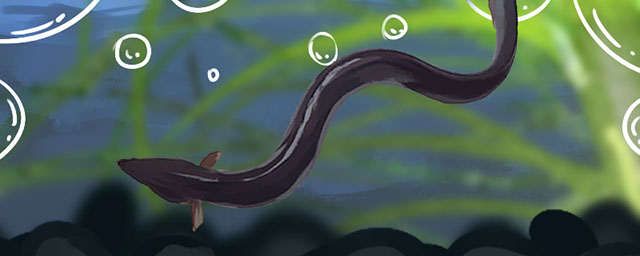
Start with the right answer before judging the frightening mouth
Are gulper eels dangerous to humans because their mouths look large enough to swallow a person? No. Their expandable mouths are a feeding adaptation, not a weapon designed for large-animal attacks. The mouth helps the eel take advantage of rare meals in the deep ocean, where food can be hard to find.
A gulper eel, often called a pelican eel, belongs to a group of deep-water eels known for a pouch-like lower jaw. Its body plan makes more sense when viewed in the context of a deep-sea habitat. Light is scarce. Prey may be scattered. A fish that can open its mouth widely may capture a small fish, crustacean, or other available animal without spending much energy on a long chase.
That does not mean the eel is harmless in every imaginable situation. Wild animals should not be handled, restrained, or treated as props. If a person somehow encountered a stressed live specimen, basic wildlife caution still applies. The practical point is different: are gulper eels dangerous to humans in the same way as an animal that routinely approaches people, defends territory near shore, or has large tearing teeth? No.
For readers who enjoy eel dishes, another distinction prevents confusion. Gulper eels are not the freshwater unagi commonly served over rice or used in Japanese-style preparations. The prepared eel used for unagi kabayaki comes from freshwater eel supply chains, not from gulper eel catches in remote deep water.
Why habitat, teeth, and feeding behavior place a firm boundary on risk
Are gulper eels dangerous to humans in the wild? The most useful way to answer is to examine the three biological boundaries that separate their lives from ours: extreme deep-sea habitat, small teeth, and opportunistic feeding behavior. Together, these factors make both encounters and injuries highly unlikely.
| Parameter | What it actually affects | What a reader may get wrong | Practical safety conclusion |
|---|---|---|---|
| Deep-water habitat | It keeps gulper eels in ocean zones far from beaches, shallow reefs, and normal swimming areas. | Assuming a dramatic deep-sea animal is a threat to snorkelers or shoreline visitors. | Human contact is highly unlikely because people and gulper eels occupy very different environments. |
| Large expandable mouth | It helps collect or engulf available prey in low-food conditions. | Equating mouth width with the ability or intent to attack large animals. | The wide gape is not evidence of a human-hunting behavior. |
| Small teeth | They help hold small prey rather than tear through large animals. | Reading a close-up image as proof of powerful biting capacity. | A gulper eel lacks the large, heavy teeth associated with serious predatory bite injuries. |
| Feeding behavior | It is suited to taking fish, crustaceans, and other available ocean prey. | Assuming every predator-shaped animal sees humans as prey. | Humans are outside its ordinary feeding context. |
| Remote observation | Most sightings come from deep-sea research, unusual catches, or recorded footage. | Believing online imagery reflects a common beach or diving hazard. | Treat videos as biology content, not a warning about everyday ocean recreation. |
The conclusion is clear. Are gulper eels dangerous to humans when people are swimming, diving near shore, or eating seafood at home? No, because the normal exposure route is missing. A risk needs an encounter before an injury can occur, and gulper eels are not animals that normally share space with people.
The limit matters, too. This is not permission to touch unknown marine animals. A deep-water animal brought to a vessel may be stressed, damaged, or protected by local collection rules. The correct action for a fisherman, researcher, or accidental bycatch handler is to follow local marine handling guidance and avoid bare-hand contact. That advice applies because of general wildlife care, not because gulper eels are known as a routine threat to people.
Use this quick comparison to avoid mixing gulper eels with food eels
Search results can blur very different animals under one word: eel. Are gulper eels dangerous to humans because people sometimes handle freshwater eels for food? That comparison does not hold. Gulper eels are deep-water wild animals, while food-service unagi is a separate product category with controlled processing, cold storage, cooking instructions, and traceability expectations.
| Question | Gulper eel | Freshwater unagi for food service | What to do |
|---|---|---|---|
| Where is it normally encountered? | Remote deep ocean. | Restaurants, retail freezers, and seafood distribution channels. | Do not use a deep-sea animal video to judge the safety of prepared unagi. |
| Why does it have a large mouth? | To capture scarce prey in deep water. | Prepared products are selected and processed for eating. | Assess each animal by species, source, and intended use. |
| Is it a normal menu ingredient? | No, not in the usual unagi category. | Yes, when supplied as properly processed eel products. | Buy from a supplier that can identify the product and its handling requirements. |
| What safety issue matters most? | Avoid disturbing wildlife if encountered. | Maintain frozen storage and follow preparation guidance. | Separate wildlife safety questions from food safety questions. |
This distinction is especially useful for home cooks who have watched a viral gulper eel clip and then hesitate over Japanese eel dishes. Are gulper eels dangerous to humans at the dinner table? No, because gulper eels are not what a buyer receives when ordering frozen unagi products.
For a menu or retail purchase, focus on the label, supplier documentation, packaging condition, and intended cooking format. For example, frozen roasted eel is designed for reheating and serving, while an eel sauce product is selected for seasoning rice bowls, grilled items, and Japanese-inspired dishes. The scenario fits restaurants, importers, and home cooks looking for food products. It does not apply to unidentified wild-caught animals or recreational collection.
Cold fact and common mistakes when reading gulper eel footage
Cold fact: the gulper eel’s famous mouth is more like a flexible food-collection pouch than a shark-style attack tool. Are gulper eels dangerous to humans simply because they can open that pouch widely? No. A large opening does not automatically equal a high-risk bite.
Close-up footage can distort size and behavior. A camera near a small animal in dark water can make the mouth look even larger, while the absence of familiar objects removes scale. Before sharing a frightening image as proof of danger, check what is actually being shown.
- Mistake: judging danger by mouth size alone. The better test is whether the animal regularly encounters people and is adapted to injure large animals. Gulper eels fail both tests in ordinary conditions.
- Mistake: calling every long fish an “eel.” Many eel-shaped animals have very different habitats, diets, and handling concerns. Identify the species before making a safety claim.
- Mistake: treating a rare bycatch event as ordinary human exposure. A specimen reaching a fishing vessel is unusual context, not proof that swimmers face the same animal.
- Mistake: confusing food preparation with wildlife contact. A packaged food product should be assessed through labeling, storage, and supplier controls, not by images of a wild deep-sea species.
- Mistake: assuming “not dangerous” means “safe to handle.” Leave live wildlife alone whenever possible, especially animals that are stressed or unfamiliar.
Are gulper eels dangerous to humans if one appears in fishing gear? The sensible answer remains low risk, but the action changes: do not put hands near the mouth, minimize handling, and follow the relevant local fishing or wildlife rules. This scenario is about responsible handling rather than fear.
Follow a simple fact-check procedure before accepting a scary claim
Are gulper eels dangerous to humans according to a short video caption? A caption alone is not enough. Use the following process when a post claims that a strange ocean animal is a threat.
- Identify the animal. Look for a species name, not only “giant eel” or “sea monster.” A correct name prevents misleading comparisons.
- Check the habitat. Ask whether the animal lives near people, near shore, or mainly far below ordinary recreational waters. This step often answers the exposure question immediately.
- Separate form from function. A huge mouth may collect prey. Spines may deter predators. Long teeth may hold fish. Do not assume every feature is aimed at humans.
- Check feeding behavior. Ask what the animal normally eats and whether people are part of that pattern. For gulper eels, available small marine prey is the relevant context.
- Look for a practical scenario. Is the question about swimming, diving, fishing, seafood purchasing, or cooking? The answer changes with the setting.
- Use food-specific checks for edible eel. For prepared products, confirm packaging integrity, frozen storage conditions, and product identity. Do not use deep-sea wildlife imagery as a food-quality signal.
Are gulper eels dangerous to humans in an aquarium-style encounter or a controlled research setting? Risk remains very low, but trained staff should set the handling rules. The general public should not attempt to touch unfamiliar animals, even when they appear slow or fragile.
For food buyers, the more relevant question is whether the supplier controls raw material, production, and cold storage. Eelpro operates under ISO 22000:2018, HACCP, HALAL certification, export food producer registration, and an SC Food Production License. Its food products are supported by an in-house laboratory, metal detectors at control points, and a 1,000-ton cold storage facility. Those controls apply to prepared freshwater eel products, not to gulper eels in the wild.
Are gulper eels dangerous to humans? Their strange silhouette earns attention, but biology gives a calm answer: their deep habitat, small teeth, and prey-focused feeding behavior make harmful contact very unlikely. If you are exploring edible eel instead, see our high-quality unagi options and request product selection advice for your menu or market.
 WhatsApp
 sales@chinaeels.com
 +8619937922411