





How Kombu Dashi Builds Vegan Unagi Sauce with Deep Savory Flavor
A glossy brown sauce can look right yet still taste flat, harsh, or strangely sweet. The missing piece is often kombu dashi. In vegan unagi sauce, it provides the quiet savory foundation that makes a plant-based glaze feel closer to the familiar sweet-salty character people expect with grilled unagi-style dishes.
For home cooks and ingredient buyers, the question is not simply whether kombu belongs in the pan. It is what kombu dashi changes, what soy sauce and sweeteners cannot do alone, and how to avoid turning a promising tare into a salty syrup.
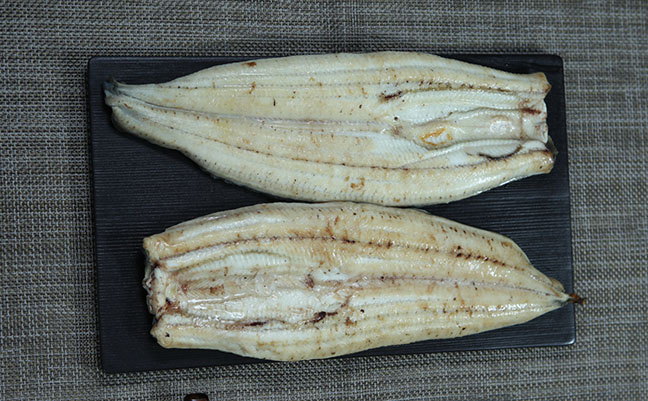
Traditional eel sauce, often called unagi tare, is associated with grilled eel and a dark, caramelized finish. A vegan unagi sauce takes inspiration from that flavor direction while using plant-based ingredients. Kombu dashi is especially useful because it gives the sauce body and savory length without adding fish or meat ingredients.
For readers who also cook with conventional eel products, Eelpro offers an eel sauce product page with information on unagi tare for commercial foodservice and retail applications. The plant-based version discussed here is a separate recipe approach, not a replacement claim for every commercial sauce formula.
Start with the flavor target instead of copying sweetness
The best vegan unagi sauce should taste savory before it tastes sweet. It should cling to rice, mushrooms, tofu, eggplant, or plant-based seafood alternatives, then leave a rounded umami finish. If the first impression is only sugar and soy sauce, the result may resemble a generic teriyaki glaze rather than a sauce inspired by unagi tare.
Conclusion: Build the savory base first with kombu dashi, then adjust saltiness, sweetness, and aroma. This approach fits cooks seeking a Japanese-style grilled glaze and buyers evaluating ingredient substitutions for plant-based menu development. It does not apply when the goal is a very thick, candy-like barbecue sauce, where sweetness and caramel notes are intentionally dominant.
In vegan unagi sauce, kombu dashi acts as the background broth. It does not need to taste strongly of seaweed. When handled well, it gives the sauce a fuller middle taste and softens the sharp edges of soy sauce.
That matters because grilled foods create bold surface flavors. Eggplant can become smoky and rich. Mushrooms can bring earthy notes. Tofu can be mild and clean. A glaze needs enough depth to connect with those foods, not just sit on top of them.
What kombu contributes to a plant-based tare
- Gentle marine umami: Kombu provides a savory direction that suits Japanese-inspired sauces without tasting overtly fishy.
- More flavor persistence: The taste remains after the initial salt and sweetness fade, making each bite feel less hollow.
- Better balance for sweet ingredients: It prevents sugar and mirin from becoming the whole story.
- Useful flavor continuity: It works especially well with grilled eggplant, mushrooms, rice bowls, noodles, and plant-based sushi fillings.
A simple cold infusion is usually the safest way to make kombu dashi for vegan unagi sauce. Place clean kombu in water and allow the flavor to develop gradually. When the liquid becomes gently savory, remove the kombu before making the sauce. Avoid aggressive boiling. High heat can bring out an unpleasant seaweed-like bitterness and make the finished glaze taste muddy.
Cold knowledge: Kombu is not meant to taste like a loud seaweed snack. Its job in a tare is more like bass in music: you may not identify it immediately, but you notice when it is missing.
How kombu dashi differs from soy sauce, mirin, sugar, and sake in a plant-based tare
Each component in vegan unagi sauce has a separate task. Substituting one for another rarely fixes a flavor problem. More soy sauce cannot replace kombu depth. More sugar cannot correct bitterness. More mirin cannot create the savory backbone that dashi provides.
Conclusion: Treat kombu dashi as the umami base, soy sauce as the seasoning structure, mirin and sugar as sweetness tools, and sake as an aroma-balancing ingredient. This division works for a plant-based tare intended to brush over grilled foods. It may not fit a low-sodium or alcohol-free formula unless the entire balance is adjusted rather than removing one ingredient without a replacement.
| Ingredient | Main flavor-building role | What happens when it is overused | What happens when it is missing | Best use case |
|---|---|---|---|---|
| Kombu dashi | Creates rounded umami, moisture, and a subtle marine character. | The sauce can become thin, overly seaweed-forward, or slightly bitter if the kombu is overheated. | The sauce often tastes sweet and salty but lacks depth. | Grilled eggplant, mushroom skewers, tofu, rice bowls, and vegan sushi fillings. |
| Soy sauce | Provides salt, color, fermentation notes, and the familiar savory edge of tare. | Salt dominates, and the sauce can taste harsh or dry on the finish. | The glaze looks pale and can taste sugary rather than savory. | Any plant-based tare needing a recognizable Japanese-style soy profile. |
| Mirin | Adds mild sweetness and a rounded fermented aroma. | The flavor may become too sweet or noticeably alcoholic if not cooked appropriately. | The sauce can feel blunt, with sweetness that lacks softness. | Glazes for grilled dishes where a gentle, polished sweet note is wanted. |
| Sugar | Builds sweetness, shine, and caramel-like notes during reduction. | The glaze becomes sticky and masks kombu and soy complexity. | The sauce may be salty, watery, and unable to form a satisfying coating. | Finishing a sauce after savory balance has been established. |
| Sake | Softens raw soy aroma and adds light fermented fragrance. | The sauce can become sharp or alcohol-forward. | The sauce may feel heavier and less aromatic, although it can still work. | Plant-based tare recipes where the chosen sake is suitable for the intended dietary requirements. |
Not every mirin is the same, and not every cooking wine suits every dietary preference. Some products may contain added ingredients or flavorings that a buyer does not want in vegan unagi sauce. Check the product label and supplier specification instead of assuming that a Japanese-style condiment is automatically suitable.
For an alcohol-free direction, use kombu dashi, soy sauce, and a measured sweetener as the core system. The result will not be identical to a tare made with mirin and sake, but it can still be balanced. The limit is aromatic complexity: removing both fermented alcohol-based ingredients may leave fewer layers of fragrance.
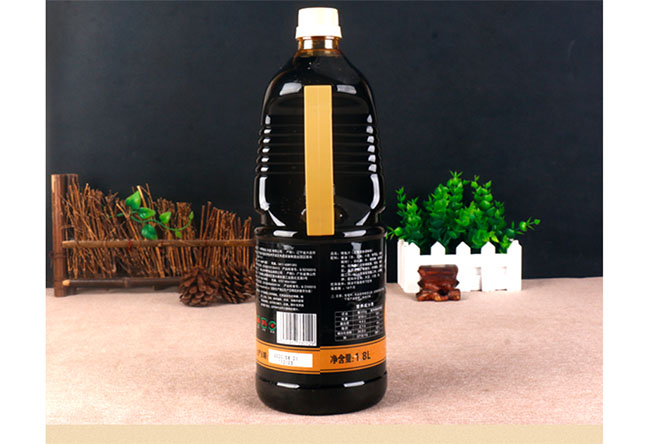
Use a practical cooking sequence to prevent flat or bitter sauce
Ingredient order affects the finished flavor. A common mistake is to combine everything, boil hard, and wait for thickness. That method can make vegan unagi sauce salty, bitter, or overly dark before it reaches a good coating texture.
Conclusion: Prepare the kombu dashi first, dissolve and balance the seasonings next, then reduce gently while watching flavor and texture together. This method fits small-batch home cooking and early recipe testing. It does not replace process validation for commercial manufacturing, where ingredient specifications, shelf life, packaging, and food safety controls must be reviewed separately.
- Make the kombu dashi: Infuse kombu in water until the liquid has a mild savory taste. Remove the kombu before strong boiling begins.
- Build the seasoning base: Add soy sauce first so you can identify the salt level clearly before adding sweet ingredients.
- Add mirin and sake if appropriate: Use products that fit the intended vegan and dietary requirements. Let their aroma integrate before final sweetening.
- Add sugar gradually: Stop when the sweetness supports the soy sauce instead of covering it.
- Reduce gently: Watch for a glossy texture that can coat the back of a spoon. Do not chase thickness through aggressive heat.
- Taste on food, not only from the spoon: Brush a little onto grilled eggplant, mushroom, or tofu. A sauce that tastes balanced alone can become too salty once concentrated on food.
When testing vegan unagi sauce, use a plain rice sample as well as a grilled sample. Rice reveals excess salt quickly. Grilled eggplant reveals whether the sauce has enough savory depth to stand up to smoky, soft flesh. Mushrooms reveal whether the tare becomes too earthy when paired with umami-rich ingredients.
For noodle applications, keep the glaze slightly lighter than a finishing sauce for rice bowls. Thick sauce can sink to the bottom of a noodle bowl and create uneven bites. Readers exploring related serving ideas can compare sauce behavior with this eel noodle soup guide, while adapting ingredients to a plant-based dish.
Spot the common mistakes before serving or selecting ingredients
Vegan unagi sauce is simple in appearance, but it is easy to push one flavor too far. The following checks help home cooks and early-stage product researchers make faster decisions.
- Mistake: using too much kombu. The goal is depth, not a strongly marine taste. If the sauce resembles seaweed broth, dilute the dashi effect in the next trial and rely on soy sauce for the darker savory note.
- Mistake: boiling kombu hard. This can produce bitterness and a murky finish. Remove kombu before intense boiling and add its prepared dashi to the tare instead.
- Mistake: adding sugar before tasting soy sauce. Sugar can hide excessive salt temporarily. Taste the savory base first, then sweeten.
- Mistake: assuming all soy sauces are interchangeable. Soy sauce varies in saltiness, wheat content, sweetness, and fermented aroma. For gluten-sensitive applications, verify the product specification rather than relying on appearance.
- Mistake: treating a shiny glaze as proof of balance. A sauce may look beautiful yet taste one-dimensional. Test it on rice and grilled food before serving.
- Mistake: calling every dark Japanese-style sauce vegan. Some commercial sauces may use animal-derived flavor ingredients. Review the ingredient statement carefully when buying a prepared product.
For buyers comparing a plant-based tare with conventional grilled eel sauce, separate the questions. Ask whether the sauce is vegan, whether its sweetness level fits the dish, whether its soy base suits the target market, and whether its texture works as a brush-on glaze or dipping sauce. One label claim does not answer all four questions.
Eelpro’s conventional products are made for buyers sourcing eel and related sauces under export-oriented food safety controls. The company holds ISO 22000:2018, HACCP, HALAL certification, export food producer registration, and an SC Food Production License. Its in-house laboratory and metal detectors support quality controls for its listed products. For buyers sourcing conventional grilled eel, see the unagi kabayaki product information and confirm product specifications directly before purchasing.
Choose the right flavor direction for your finished dish
There is no single perfect vegan unagi sauce. The right version depends on what it will coat. A rice bowl needs a glossy, savory-sweet glaze. A tofu dish may need more dashi character because tofu itself is mild. A mushroom dish may need a lighter hand, since mushrooms already contribute strong umami.
Conclusion: Match the sauce profile to the food’s natural flavor strength. Use a fuller kombu-led profile for mild ingredients, and use a cleaner soy-led profile for deeply savory ingredients. This recommendation fits everyday cooking and menu concept testing. It does not apply if a recipe intentionally uses a strong spice blend, smoke flavor, or chili base, because those additions change the entire balance.
| Finished dish | Recommended sauce direction | Why it works | Watch out for |
|---|---|---|---|
| Grilled eggplant | More kombu dashi depth with moderate sweetness. | Eggplant absorbs sauce and benefits from a savory center. | Too much reduction can make the soft eggplant taste overly salty. |
| Pan-seared tofu | Balanced dashi and soy sauce with a glossy finish. | Tofu needs both surface seasoning and lingering umami. | A watery sauce will slide off rather than coat. |
| Grilled mushrooms | Lighter kombu and slightly less soy-forward seasoning. | Mushrooms already provide their own savory character. | Heavy dashi plus mushrooms can taste too dark and earthy. |
| Rice bowl | Sweet-savory glaze with controlled saltiness. | Rice softens the sauce and carries the shine well. | Always taste with rice; spoon tasting alone can mislead. |
If you want to compare the plant-based approach with the familiar flavor style of grilled eel dishes, explore our kabayaki sauce article. It explains why sauce layering matters when building a memorable grilled finish.
Try a kombu-led version beside a soy-led version, taste both on rice and grilled vegetables, and share which balance gives your vegan unagi sauce the most satisfying finish.

 WhatsApp
 sales@chinaeels.com
 +8619937922411