





How Big Are Gulper Eels in Total Length, Jaw Size, and Body Weight
How big are gulper eels, really? Most people picture a monster with a mouth wide enough to swallow a diver whole. The truth is more modest — and more interesting. Gulper eels (Eurypharynx pelecanoides) rarely grow past 75 centimeters, yet their pelican-like jaw can open far wider than their own body suggests. That gap between length, mouth size, and body weight is exactly why size claims about this deep-sea species get exaggerated online, on documentaries, and in stock-photo captions.
What Is a Gulper Eel, and Why Is It So Hard to Measure?
Gulper eels live in the bathypelagic zone, roughly 500 to 3,000 meters down. Nobody keeps one in a tank. Almost every specimen scientists have studied came up in a trawl net, already dead and badly decompressed. Pressure changes stretch the loose, jelly-like skin, tear the thin tail, and flatten the body cavity. So when a report says a specimen "measured 90 cm," that number often includes stretching damage, not a clean live measurement.
This matters for anyone researching marine biology content, writing species profiles, or fact-checking a viral video. The measurement method changes the answer.
Gulper Eel Size at a Glance — Length, Jaw, and Weight Compared
To answer how big are gulper eels with real numbers instead of guesswork, it helps to separate the three measurements people usually mix together: body length, mouth size, and weight. Each one behaves differently, and each has its own limits.
| Measurement | Typical Range | Limits of the Data |
|---|---|---|
| Total body length | 60–75 cm (24–30 in) on average; a small number of reports claim up to 100 cm | Measured snout-to-tail on trawl-caught, often decompressed specimens; no live-length studies exist |
| Jaw / mouth size | Can distend to roughly one-quarter to one-third of total body length | The jaw is loosely hinged and not attached by a rigid joint, so "maximum" opening size is not standardized |
| Body weight | Not reliably documented | Tissue is thin, watery, and low-density; specimens are usually damaged before weighing, so published weight data is scarce or missing |
Length is the only figure with reasonably consistent field data. Jaw size is descriptive rather than fixed, since the mouth stretches based on prey size at the moment of capture. Weight is the biggest knowledge gap — most sources simply don't report it, because a torn, pressure-damaged eel doesn't give an honest reading on a scale.
Why the Mouth Looks Bigger Than the Whole Fish
The gulper eel's jaw isn't rigidly fixed to its skull the way a typical fish jaw is. It hangs loosely, hinged in a way that lets it expand well past the width of the body behind it. There's a practical reason: food is scarce at depth, and an ambush predator that can't chase fast-moving prey needs to grab whatever swims close and hold onto it. A wide, expandable mouth solves that problem better than speed or strength does.
This is also why photos look so dramatic. A folded, gaping jaw next to a thin, ribbon-like body creates a visual mismatch — the head looks like it belongs to a much bigger animal. In reality, the trunk behind the head stays narrow and lightly muscled the whole time.
Common Mistakes People Make When Estimating Gulper Eel Size
- Trusting stretched specimens. Decompression damage on a trawl-caught eel can add centimeters that were never there in the living animal.
- Confusing forced-perspective photos with true scale. A wide-open jaw shot at close range makes the mouth look proportionally larger than it is next to the body.
- Mixing up similarly named species. "Gulper" also appears in gulper shark and gulper catfish names — none of these share a size profile with the pelican eel.
- Assuming weight scales like length. Because the body is thin and low-density, a longer specimen doesn't necessarily weigh proportionally more, unlike denser fish.
- Quoting one viral estimate as an established fact. Without a published weight study, any specific weight number circulating online should be treated as unverified.
Gulper Eels vs Farmed Freshwater Eels — Not the Same Fish
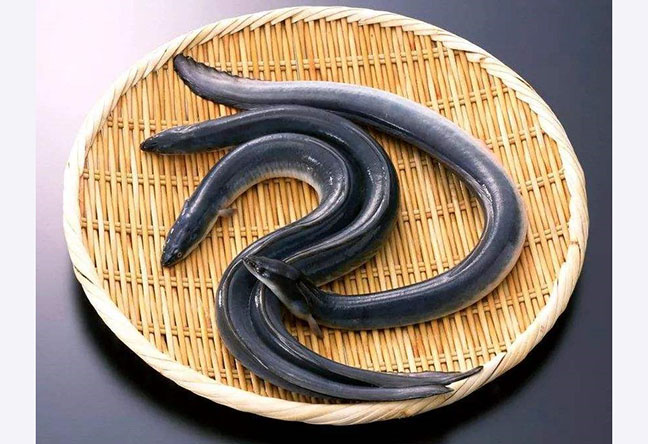
This is where confusion tends to spread outside marine biology circles. Gulper eels and the freshwater eels used in food production, like Anguilla japonica, are unrelated beyond sharing the word "eel" in their common name.
| Trait | Gulper Eel | Freshwater Eel (used for unagi) |
|---|---|---|
| Habitat | Deep ocean, 500–3,000 m | Freshwater ponds and coastal rivers |
| Typical size | 60–75 cm, weight largely unknown | Farm-raised to consistent size specs for processing |
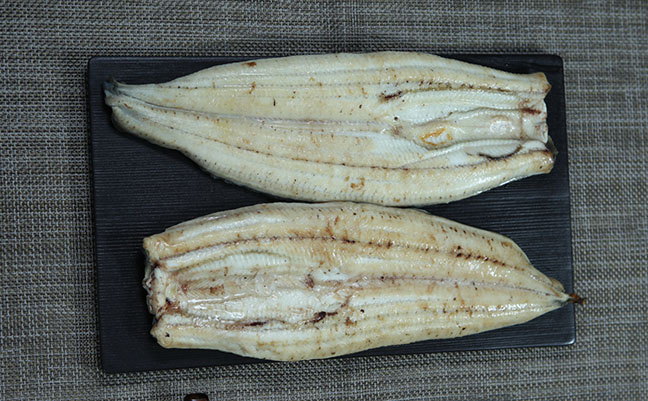
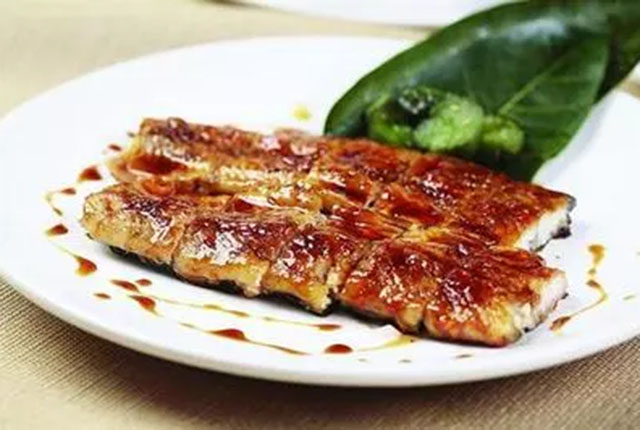
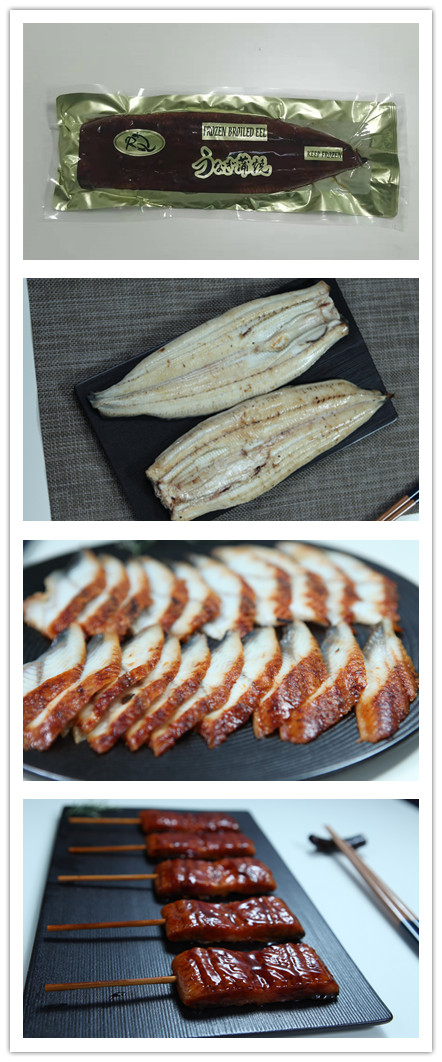
| Food use | Not a food species | Processed into unagi kabayaki and related products |
| Traceability | Wild-caught only, no farming records | Sourced from registered eel farming bases with full-chain tracking |
If you're researching eel species for a content project, a menu, or a sourcing decision, this distinction matters. Freshwater eel destined for foodservice goes through a completely different chain — farming, veterinary residue testing, and processing standards — that a deep-sea species never touches. Anyone comparing "gulper eel size" articles against product pages for frozen eel supplier listings should know these are not interchangeable topics, even though search engines sometimes group them together.
For readers who came here out of curiosity about deep-sea biology, that's really the full answer: how big are gulper eels comes down to a modest, still not fully studied fish, with a jaw built for opportunity rather than size records. For readers who arrived while researching edible eel species instead, the more useful next step is probably comparing farmed eel grades — for example, how eel sauce is paired with kabayaki cuts, or checking a recipe like how to cook eel at home.

Quick Reference Checklist Before You Cite a Gulper Eel Size Claim
- Does the source specify whether the measurement is from a live or decompressed specimen?
- Is the "mouth size" described as a maximum stretch, or a fixed anatomical dimension?
- Is a weight figure backed by an actual published study, or just repeated from another article?
- Is the species confirmed as Eurypharynx pelecanoides, not a similarly named unrelated animal?
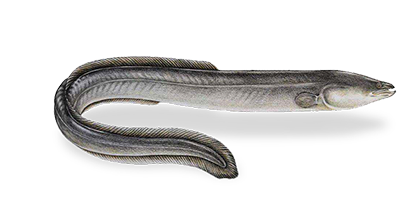
Deep-sea specimens like the gulper eel remind us how much marine biology still runs on partial data. Farmed food species, by contrast, get measured, graded, and documented at every stage — which is a very different kind of "how big" question. If you're sourcing eel for foodservice and want size, cut, and packaging specs in writing, requesting a spec sheet or sample is the fastest way to get a comparison that fits your kitchen or supply chain.
 WhatsApp
 sales@chinaeels.com