

How to Cook Eel: Easy Methods and Tips
Learning how to cook eel is straightforward when you start with cleaned eel or frozen unagi kabayaki and choose a method that suits the cut. Eel’s rich, fatty flesh responds especially well to grilling, roasting, steaming, and braising. Prepared properly, it is delicious over rice, in noodle soup, or as part of a seafood platter.
This guide explains safe handling, seasoning, cooking times, and practical eel cooking methods for home kitchens and foodservice operations. You will also find tips for working with both fresh and frozen eel products.
How to Prepare Eel Safely
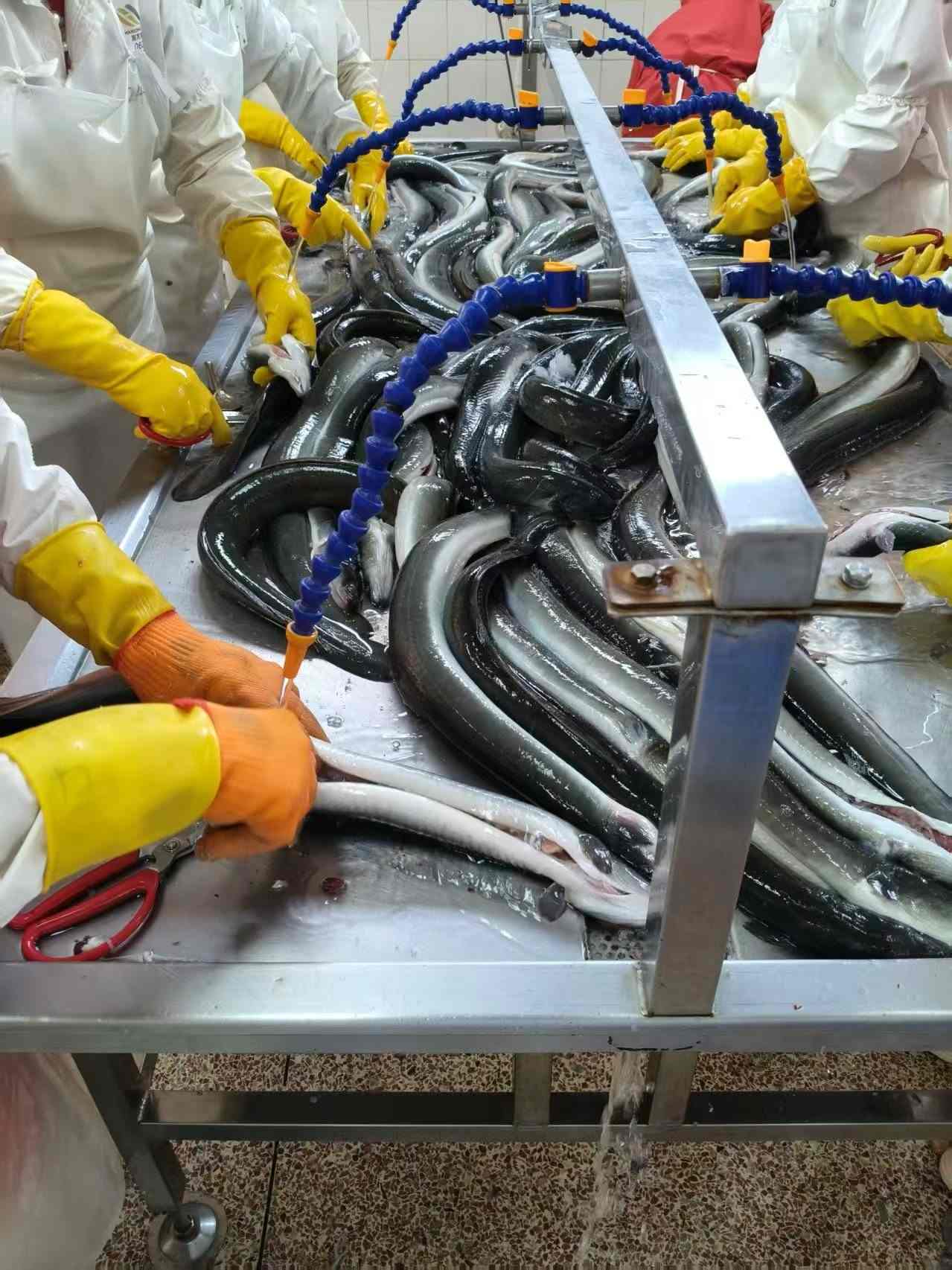
Freshwater eel is commonly sold whole, filleted, or cut into portions. If you are buying whole eel, ask your fish supplier to clean and fillet it for you. The skin is naturally slippery, and professionally prepared eel saves time while giving you more uniform portions.
Cleaning fresh eel
- Keep the eel refrigerated until you are ready to clean it.
- Place it on a stable cutting board. A clean towel can help keep the slippery fish in place.
- Remove the head and open the belly to remove the internal organs.
- Rinse the cavity and surface under cold running water, then pat the eel dry.
- Cut the fish into serving portions or remove the fillets from the backbone.
Do not eat raw eel. Raw eel blood contains compounds that can irritate the eyes, mouth, and digestive system, but thorough cooking eliminates this concern. Keep raw fish away from ready-to-eat foods, wash knives and cutting boards with hot soapy water, and cook the flesh to 63°C (145°F), the internal temperature recommended by the U.S. Food and Drug Administration for fish.
For a simpler option, choose frozen eel that has already been cleaned and portioned. Thaw it in the refrigerator, never on the counter. If the product is vacuum-packed, follow the package instructions carefully, as some vacuum-packed seafood should be removed from its packaging before thawing.

How to Cook Eel by Grilling
Grilling gives eel lightly crisp edges, a smoky finish, and a moist interior. It is among the most popular freshwater eel cooking approaches, particularly for Japanese-style unagi.
Simple grilled eel recipe
Ingredients:
- 500 g cleaned eel fillet or eel portions
- 2 tablespoons soy sauce
- 2 tablespoons mirin
- 1 tablespoon sake or water
- 1 tablespoon sugar
- Optional: grated ginger or a small amount of toasted sesame
Method:
- Pat the eel dry and cut it into pieces that fit your grill or broiler pan.
- Combine the soy sauce, mirin, sake, and sugar. For a thicker glaze, simmer the mixture for 3 to 5 minutes, then let it cool slightly.
- Brush a thin layer of sauce over the eel. Place the fish skin-side down on a lightly oiled grill rack or foil-lined tray.
- Grill over medium heat, or broil on high, for about 4 to 6 minutes per side. Thicker portions may need 8 to 12 minutes per side.
- Brush with more sauce during the final 2 to 3 minutes. Keep a close eye on it, since the sugar can burn quickly.
- Check that the thickest part is opaque, flakes easily, and reaches 63°C (145°F).
For Japanese-style service, slice the cooked eel into strips and arrange it over steamed white rice. Finish with another brush of sauce, toasted sesame, or shredded nori. Our eel sauce works well as a ready-to-serve glaze for rice bowls, sushi toppings, and grilled eel dishes.
Roasting Eel in the Oven
Oven roasting is a practical option when you need to cook several portions at once. It also creates less splatter than pan-frying. This method works well for fresh eel fillets and thawed frozen portions.
- Heat the oven to 200°C (400°F).
- Line a baking tray with foil or parchment and lightly oil the surface.
- Place the eel skin-side down. Season with salt, black pepper, ginger, garlic, or a small amount of soy-based sauce.
- Roast for 15 to 25 minutes, depending on thickness.
- Brush with glaze during the last 5 minutes. For deeper color, broil for 1 to 2 minutes at the end.
Thin fillets may be ready in about 15 minutes, while thick sections can take closer to 25 minutes. Check the thickest point with a thermometer rather than judging by color alone. Because eel is naturally fatty, it usually needs little or no additional oil.
Roasted eel goes well with steamed rice, cucumber salad, pickled daikon, or sautéed greens. Keep the seasoning light if you plan to serve it with a bold sauce.
Braising Eel for Tender Meat
Braising cooks eel gently in liquid, producing tender meat while building flavor in the sauce. It is especially useful for thicker cuts, eel steaks, and dishes served with noodles or vegetables.
Basic braised eel method
- Cut cleaned eel into 5 to 7 cm portions.
- Optional: sear the pieces in a dry pan for 1 to 2 minutes per side to develop color.
- Add enough stock, water, or a mixture of soy sauce and sake to come about halfway up the fish.
- Add ginger, scallion, garlic, or a small amount of sugar.
- Cover and simmer gently for 20 to 30 minutes. Avoid a hard boil, which can cause the flesh to break apart.
- Remove the lid for the final 5 minutes if you want the sauce to reduce.
Serve braised eel with rice, or fold it into an eel noodle soup. For another serving idea, see our eel recipes for a noodle-based meal.
How to Cook Frozen Unagi Kabayaki
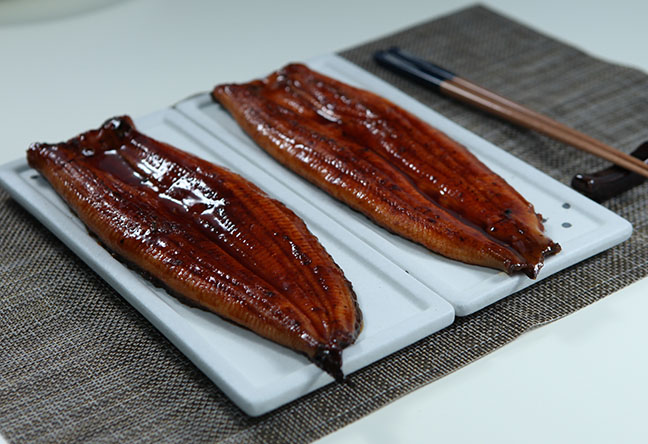
Frozen unagi kabayaki is a convenient choice because it is generally cleaned, portioned, grilled, and coated with sauce before freezing. Always check the label to confirm whether the product is fully cooked and whether it should be thawed before reheating.
For most cooked kabayaki products:
- Oven: Thaw in the refrigerator, place on foil, and heat at 180°C (350°F) for about 8 to 12 minutes.
- Grill or broiler: Heat for about 3 to 5 minutes per side, watching the sauce closely.
- Steamer: Steam the thawed portion for about 5 to 8 minutes for a soft texture.
- Microwave: Cover loosely and heat in short intervals according to the package directions.
Do not overcook kabayaki. The meat is already tender, and too much heat can dry the surface or turn the glaze bitter. For commercial buyers, our frozen unagi kabayaki is well suited to rice bowls, sushi counters, bento meals, and restaurant service where consistent portions matter.
Seasoning and Serving Tips
Eel has a rich, distinct flavor, so sweet-salty sauces, ginger, citrus, and fresh herbs all make excellent partners. Try these combinations:
- Japanese style: soy sauce, mirin, sake, and sugar, finished with sansho pepper.
- Ginger braise: ginger, scallion, soy sauce, and light stock.
- Garlic and citrus: garlic, lemon or yuzu juice, black pepper, and a little oil.
- Spicy glaze: eel sauce with chili, sesame oil, and sliced scallion.
When making sauce from scratch, simmer it separately and brush it onto the eel near the end of cooking. This helps prevent the sugars from burning. To learn more about how glaze shapes the finished dish, read our article on kabayaki sauce.
Serve cooked eel immediately, or refrigerate it in a covered container and use it within 3 to 4 days. Reheat only what you need. For longer storage, follow the product’s frozen storage instructions and avoid repeated thawing and refreezing.
Frequently Asked Questions
How to cook eel at home?
The easiest approach is to use cleaned eel or cooked frozen unagi kabayaki. Grill or roast fresh portions until the thickest part reaches 63°C (145°F). For kabayaki, reheat according to the package instructions and serve over rice with eel sauce.
What is the best way to cook eel?
Grilling is often the best way to cook eel when you want caramelized edges and a smoky flavor. Braising is better for thick pieces and dishes with broth. Roasting is convenient when preparing several portions in an oven.
How long should you cook eel?
Fresh eel commonly needs 15 to 25 minutes in a 200°C (400°F) oven, 8 to 12 minutes per side on a grill for thick pieces, or 20 to 30 minutes when gently braised. Cooking time depends on thickness, starting temperature, and the equipment used. Confirm doneness with a thermometer.
Can you cook eel from frozen?
Yes, but follow the package directions. For raw frozen eel, thaw it safely in the refrigerator before cleaning and cooking. For cooked frozen kabayaki, reheating directly from frozen may be possible, but thawing often gives more even results.
Should you remove the skin from eel?
Usually, no. Eel skin becomes tender and flavorful when grilled, roasted, or braised. If you prefer a different texture, ask your supplier for skinless fillets or remove the skin after cooking.
Final Tips for Better Eel Dishes
Choose cleaned portions, keep raw eel cold, and use a thermometer rather than guessing. Grill for caramelized flavor, roast for straightforward batch cooking, and braise when you want soft meat in a savory sauce. For restaurants, wholesalers, and food manufacturers, Eelpro Co., LTD supplies frozen unagi kabayaki, eel sauce, freshwater eels, and other frozen seafood for dependable menu production. Contact us to discuss product specifications and export supply.
[xss_clean] { "@context": "https://schema.org", "@type": "FAQPage", "mainEntity": [ { "@type": "Question", "name": "How to cook eel at home?", "acceptedAnswer": { "@type": "Answer", "text": "The easiest approach is to use cleaned eel or cooked frozen unagi kabayaki. Grill or roast fresh portions until the thickest part reaches 63°C (145°F). For kabayaki, reheat according to the package instructions and serve over rice with eel sauce." } }, { "@type": "Question", "name": "What is the best way to cook eel?", "acceptedAnswer": { "@type": "Answer", "text": "Grilling is often the best way to cook eel when you want caramelized edges and a smoky flavor. Braising is better for thick pieces and dishes with broth, while roasting is convenient for preparing several portions in an oven." } }, { "@type": "Question", "name": "How long should you cook eel?", "acceptedAnswer": { "@type": "Answer", "text": "Fresh eel commonly needs 15 to 25 minutes in a 200°C (400°F) oven, 8 to 12 minutes per side on a grill for thick pieces, or 20 to 30 minutes when gently braised. Confirm doneness with a thermometer and cook fish to 63°C (145°F)." } }, { "@type": "Question", "name": "Can you cook eel from frozen?", "acceptedAnswer": { "@type": "Answer", "text": "Yes, but follow the package directions. Thaw raw frozen eel safely in the refrigerator before cleaning and cooking. Cooked frozen kabayaki may be reheated from frozen, although thawing often gives more even results." } }, { "@type": "Question", "name": "Should you remove the skin from eel?", "acceptedAnswer": { "@type": "Answer", "text": "Usually, no. Eel skin becomes tender and flavorful when grilled, roasted, or braised. Skinless fillets are also available if you prefer that texture." } } ] } [xss_clean]