

Does an eel have bones? Here is what diners may notice
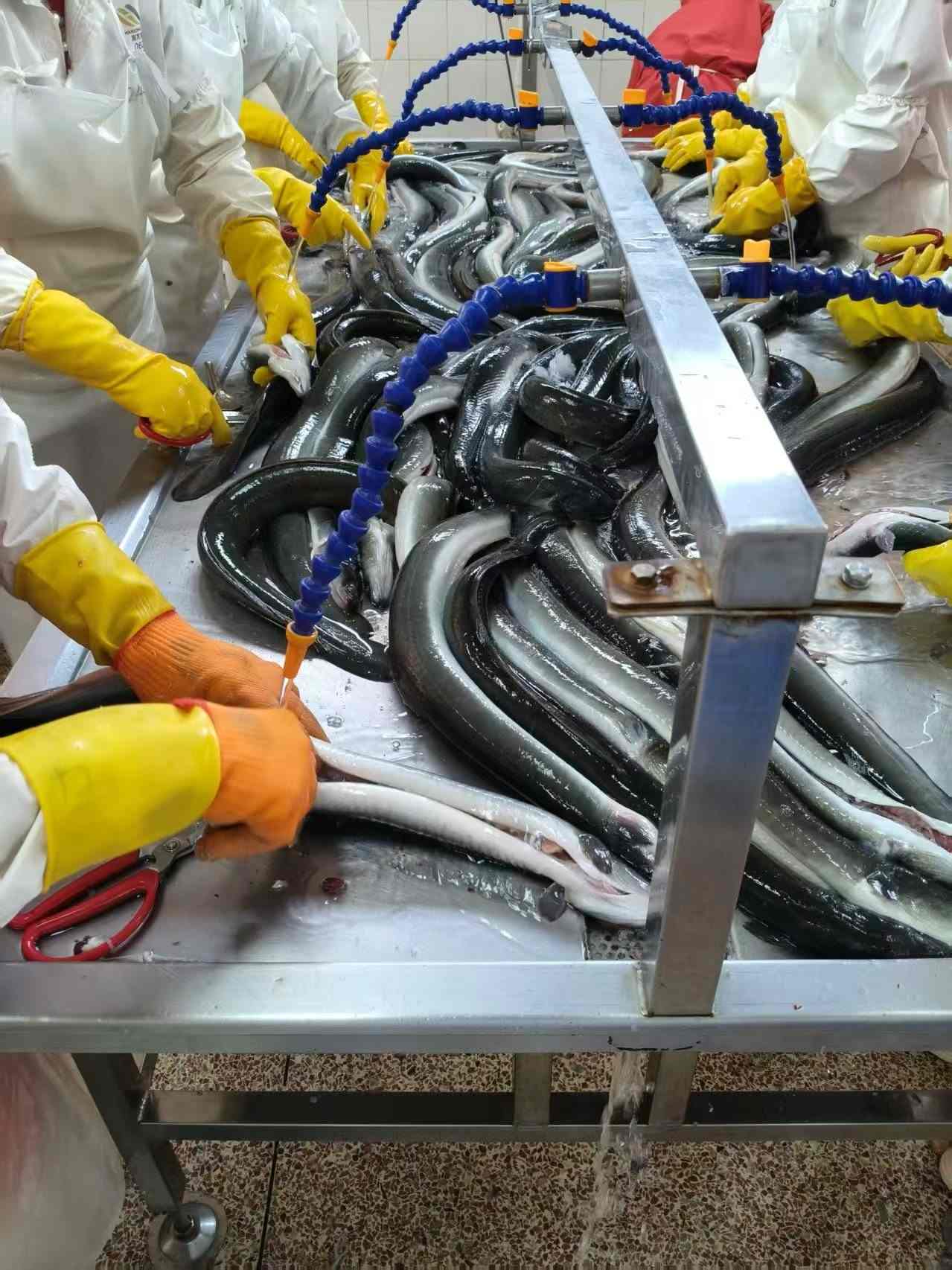
A glossy piece of grilled eel arrives over rice, and a diner asks a fair question before the first bite: does an eel have bones? Yes. Eels are fish, so they have a bony internal skeleton. Yet a cooked eel fillet does not feel like a whole fish on the plate. The central backbone is normally removed during processing, while fine bones may soften during cooking or remain faintly noticeable depending on the cut, preparation, and deboning standard.
For restaurant buyers and menu planners, the useful answer is not simply “yes” or “no.” It is knowing which bones are likely to be removed, which fine structures diners may still notice, and how to describe the dish accurately without promising that every portion is entirely bone-free.

The direct answer depends on whether the eel is whole, filleted, or deboned
Freshwater eel has a vertebral skeleton, ribs, and smaller bone structures within the flesh. In a whole eel, the backbone is the main hard structure. Once the eel is split, filleted, roasted, and portioned, the eating experience changes substantially.
Conclusion: A restaurant should treat cooked eel as a fish product that can be supplied in boneless or deboned formats, but should not automatically describe every eel product as “bone-free.” The reason is straightforward: removal of the main backbone does not always mean every fine bone has been eliminated. This distinction matters most for children’s menus, elderly diners, premium sushi service, and any menu wording that makes an absolute claim.
For unagi kabayaki, processors commonly split the eel, remove the main backbone, roast the fillet, and apply sauce. Fine bones can become less obvious through cooking, especially when the flesh is tender, but softness is not identical to removal. A diner may notice a delicate, flexible bone fragment in some portions, particularly where the cut is thicker or where the fillet is eaten in larger bites.
The preparation method also changes what reaches the plate:
- Whole or partially dressed eel: The backbone and more obvious bones may remain. This suits specialty preparations but requires clear menu communication.
- Split roasted fillet: The main skeleton is normally removed, while fine bones may be less noticeable after roasting. This is common for rice bowls and grilled eel dishes.
- Deboned or boneless foodservice eel: Processing is intended to reduce or remove bones that diners may encounter. This format suits high-volume kitchens seeking less preparation work.
- Cut pieces or sushi slices: Portion size can make the eating experience easier, but cutting does not itself prove that fine bones are absent.
For menu development, use accurate wording such as “grilled eel fillet” or “deboned eel” only when the supplier specification supports it. “Boneless” should be reserved for products sold and documented under that claim. If a menu needs a more cautious description, “carefully deboned” communicates the intended preparation without suggesting an absolute guarantee.
Buyers evaluating roasted products can review our unagi kabayaki product information alongside the exact cut and packaging request. The correct format depends on the menu, portioning method, and diner profile rather than on the dish name alone.
Vertebral skeleton versus tiny pin bones in cooked eel fillets
The main source of confusion is that diners often use the single word “bones” for two very different things: the large central skeletal structure and the much smaller bones or bone-like fragments that may be felt within cooked flesh. The vertebral column is the primary internal support structure. In eel processing, it is the most visible structure removed when the fish is opened and filleted.
| Feature | Where it is found | What happens during filleting | What a diner may notice after cooking | Foodservice implication |
|---|---|---|---|---|
| Vertebral skeleton | Along the center length of the eel | Normally removed when producing a split fillet | A properly filleted serving should not contain the main backbone | Ask whether the product is supplied whole, split, or fully filleted before writing menu claims |
| Rib-related bones | Along the body cavity and side areas | May be removed during trimming, depending on processing format | Less likely in a well-trimmed roasted fillet, but treatment varies by specification | Request trimming details for premium plated dishes and sushi applications |
| Tiny pin bones or fine intermuscular bones | Within or close to the muscle layers | May be removed, softened through processing, or remain in limited form | A diner may occasionally feel a thin, soft, or fine fragment | Use a deboned specification where a low-bone eating experience is a menu requirement |
What each parameter affects: Backbone removal determines whether a diner faces a major hard bone. Fine-bone treatment affects comfort, perceived product quality, and suitability for sensitive dining groups. Portion size affects how easily a diner can identify and set aside a small fragment. Cooking changes tenderness and can make fine bones less noticeable, but it does not prove a product is free from every small bone.
The practical misunderstanding: “The backbone was removed” and “the product is boneless” are not interchangeable statements. A buyer who treats them as equivalent may select a standard fillet for a menu that needs a stricter deboned format. Conversely, a buyer may overpay for a premium deboned specification when the menu uses chopped eel in a rice bowl, where a standard roasted fillet could be suitable after an in-kitchen quality check.
At Eelpro, buyers can discuss custom cutting formats including shredding, dicing, strip-cutting, chunk-cutting, three-section cuts, and sushi slices. This is useful because cutting format changes how the diner experiences the fillet. It does not replace a bone-removal specification, so both points should appear on the purchase order.
How roasting, sauce, and portioning affect bone perception
Roasting is one reason cooked unagi often feels very different from raw or simply steamed fish. Heat changes the flesh texture, while repeated roasting and sauce application create a tender, glazed surface. This can reduce the prominence of fine bones during eating. It cannot be used as a substitute for proper filleting and deboning.
Eelpro uses an export-grade process with four precise layers of soy-sauce coating and controlled roasting steps. The company has established color standards from white-roasted eel through the first to fourth sauce coatings. For menu planners, the relevant point is not only appearance. A consistent roasting process helps produce a more predictable texture across portions, which supports reliable reheating and serving.
Recommendation: Choose roasted, portioned eel for quick-service bowls, buffet lines, and delivery-focused menus where staff need a repeatable product. This fits operations that prioritize fast assembly and lower back-of-house knife work. It does not apply when the concept depends on tableside whole-fish presentation or when chefs want to control every trimming step themselves.
Sauce should be assessed separately from bone treatment. A thicker glaze can make the surface feel soft and rich, but sauce cannot conceal a larger remaining bone. Buyers building kabayaki menus can compare flavor and serving considerations through our eel sauce product page and this kabayaki sauce article.
A practical serving scenario for restaurant teams
Consider a casual Japanese-style restaurant serving grilled eel rice bowls. The kitchen reheats pre-cooked fillets, places them over rice, and cuts each portion for easy eating. The sensible choice is a documented deboned or boneless specification when the menu is marketed toward families, office lunches, or diners unfamiliar with eel.
The restaurant should still train staff to answer questions accurately: “This is a deboned eel fillet. As with other fish products, please take care when eating.” That language respects diner expectations without making an unsupported absolute promise.
For a chef-led restaurant serving larger kabayaki sections, the team may accept a standard fillet if it has passed an internal tasting check and the dining staff understand how to explain the product. This approach does not fit menus that advertise “guaranteed bone-free,” because supplier specifications and internal controls would need to support that wording.
What buyers should request before approving eel for a menu
The best verification method is not visual inspection alone. A roasted fillet can look clean while still having fine bones that are difficult to see under sauce. Use written specifications, samples, and a service test that matches the final menu application.
- Define the intended menu claim. Decide whether the menu will say “eel fillet,” “deboned eel,” or “boneless eel.” Do this before requesting quotations, since each claim can require a different processing standard.
- Specify the cut format. State whether the kitchen needs whole fillets, strips, chunks, sushi slices, diced eel, or another custom format. Cutting and deboning are separate requirements.
- Request the bone-treatment description. Ask whether the main backbone is removed and whether the product is offered as deboned or boneless under the supplier’s specification.
- Evaluate a heated sample. Reheat and portion the sample as the restaurant will serve it. Taste the center, edges, and thicker sections rather than sampling only one bite.
- Check the product documentation. Match the approved sample to the purchase order, labeling, storage requirements, and batch traceability information.
- Set a receiving check. Train receiving or kitchen leads to verify packaging integrity, product format, and lot information before stock enters service.
Common mistake: Ordering “filleted eel” when the actual requirement is “deboned portions for children’s menus.” Filleted tells the supplier that the main body has been opened and processed. It does not automatically define the handling of all fine bones.
Another mistake: Assuming that smaller portions remove the risk. Smaller cuts can make eating easier, but a fine bone may still be present in any individual piece. When the lower-bone experience is central to the menu promise, request the relevant deboning specification and validate it with a prepared sample.
Food safety verification matters alongside physical preparation. Eelpro holds ISO 22000:2018, HACCP, HALAL certification, an Export Food Producer Registration Certificate, and an SC Food Production License covering quick-frozen prepared foods. Its in-house laboratory, metal detectors at control points, and traceability system from farming bases to shipment support buyers who need documented supplier controls. These measures do not turn a standard fillet into a boneless product; they support product safety, verification, and supply consistency.
Match the eel format to the diner and the kitchen workflow
There is no single best eel format. The right choice depends on diner expectations, kitchen labor, portion style, and the exact language used on the menu.
| Menu situation | Recommended format | Why it fits | Limit to consider |
|---|---|---|---|
| Family dining and children’s menus | Documented deboned or boneless eel portions | Reduces diner concern and simplifies staff communication | Menu claims must match the supplier documentation exactly |
| High-volume rice bowls | Portioned roasted eel or cut pieces | Reduces knife work and supports consistent assembly | Portioning alone does not establish fine-bone removal |
| Sushi and refined plated service | Deboned fillets or sushi-cut slices | Supports a cleaner bite and precise presentation | Require a sample review because appearance does not confirm every processing detail |
| Chef-driven specialty dishes | Standard fillet or custom cut, based on chef preference | Offers more control over final preparation and plating | Requires trained kitchen handling and accurate guest communication |
For restaurants that want to reduce preparation time, Eelpro supplies boneless or deboned eel, standardized cutting, and ready-to-heat packaging options. The company operates two modern production lines with an annual finished-product capacity of 4,000 tons and a 1,000-ton cold storage facility. Regular order delivery is approximately 30 days from order confirmation to shipment, subject to specification and quantity.
Supply controls also matter when a menu needs repeatable results. Eelpro works with about 20 customs-registered eel farming bases covering more than 2,150 mu, with traceability from farm registration through processing verification, targeted sampling, and shipment tracking. The company has supplied kabayaki eel to Japanese restaurant chains and exports unagi kabayaki and eel sauce to United States food importers. These examples show established export activity, not a promise that every buyer will receive identical specifications without a confirmed order agreement.
If your kitchen plans to grill or reheat its own portions, review our how to cook eel: easy methods and tips before setting the final service procedure. A reheating method can improve texture and presentation, but it should be tested with the exact eel cut approved for your menu.
Request a sample and specification sheet to confirm the right deboning level, cut format, and reheating method for your eel menu.