


Check Eel Benefits Against Nutrition Facts Before You Believe the Hype
A glossy unagi rice bowl can make almost any health claim sound believable. “Good for skin.” “Full of collagen.” “Eat it often for immunity.” But are those statements true, or simply menu talk? This guide checks eel benefits against the facts that actually matter: the product label, portion, sauce, preparation method, and your own dietary needs.
Start with one simple rule: eel benefits are not identical for every eel dish. Plain grilled eel, frozen unagi kabayaki with tare, eel sushi, and a heavily sauced rice bowl can have very different nutrition labels. The fish may be the same starting point, but the finished food is not.
Read the package before judging eel benefits
The best conclusion is straightforward: use the Nutrition Facts panel and ingredient list before relying on online health posts. This approach fits shoppers choosing frozen eel for home meals, restaurant buyers reviewing a new SKU, and importers comparing prepared products. It does not replace advice from a doctor or dietitian for a diagnosed health condition.
When people discuss eel benefits, they often talk about the fish alone. A buyer, however, should assess the finished product. Kabayaki is roasted eel that is commonly paired with a sweet-savory sauce. That sauce affects the final serving profile, especially where sugars and sodium are concerned.
| What to check | Why it changes the decision | Best fit | Limit or caution |
|---|---|---|---|
| Serving size | It tells you what the listed values actually represent. | Anyone comparing eel benefits between brands or meal formats. | A restaurant portion may contain more than one labeled serving. |
| Protein per serving | Eel is a fish-based food and can contribute dietary protein. | Meals planned around a protein source. | Protein needs differ by person, activity level, and medical guidance. |
| Total fat and saturated fat | These figures help compare plain-style eel with richer prepared options. | Buyers who track meal composition. | Do not assume one eel product represents every product. |
| Sugars and sodium | Prepared sauce can materially change the finished dish. | Kabayaki, sushi, rice bowls, and sauce-forward meals. | Rice, soup, pickles, and extra tare add to the full meal total. |
| Ingredient list and allergens | It identifies fish and recipe ingredients such as soy-based seasonings. | Households, caterers, and menu planners. | People with food allergies need product-specific label review. |
For a quick comparison, place two packs side by side and compare them on the same basis: serving size first, then protein, total fat, sugars, sodium, and ingredients. That is more useful than comparing front-of-pack slogans. If the serving sizes differ, do not compare the numbers as though they refer to equal portions.
One practical point: eel benefits can fit a balanced meal more easily when the rest of the plate is considered. A portion of kabayaki with vegetables and a measured amount of rice is a different meal from the same eel covered in additional sauce and served with several salty side dishes. Neither option needs to be labeled “good” or “bad”; they simply call for different expectations.
Myth-versus-evidence FAQ for collagen, skin health, immunity, and frequent consumption
Here is the honest answer behind popular claims. The supported eel benefits are mainly food-based: eel can supply protein and other nutrients listed on its label. The limits matter just as much. A single food is not a treatment, a beauty product, or a substitute for an overall eating pattern.
Does eel contain collagen that will improve skin?
Myth: Eating eel automatically rebuilds collagen in the skin.
Evidence-aware answer: Eel is an animal food and contains protein. Dietary protein is needed by the body for many normal functions. Yet it is too broad to claim that eating eel directly creates visible skin changes or reverses aging. The body digests food proteins; it does not send them intact to a chosen area of the body.
When this claim fits: A person choosing a varied diet may count eel as one protein-containing food.
When it does not apply: Do not buy eel expecting a guaranteed collagen, wrinkle, or skin-firmness result. Those advertised eel benefits go beyond what a product label can prove.
Can eel improve skin health?
Myth: One serving of unagi makes skin glow.
Evidence-aware answer: Good nutrition supports normal body function, including the tissues that make up skin. However, skin appearance is influenced by many factors, including overall diet, sun exposure, sleep, hydration, genetics, and medical conditions. Eel can be part of a satisfying meal, but it is not a skin-care intervention.
When this claim fits: Use the label to see whether a selected eel product supports your meal plan for protein and other listed nutrients.
When it does not apply: Avoid treating broad “beauty food” statements as established eel benefits. Sauce-heavy products also need a separate check for sugars and sodium.
Does eel boost immunity?
Myth: Eel prevents illness or “boosts” immunity on demand.
Evidence-aware answer: Adequate nutrition supports normal immune function, and food can contribute nutrients to the diet. That is not the same as proving that eel prevents infections, replaces vaccination, or treats illness. The word “boost” is often much stronger than the evidence behind it.
When this claim fits: Eel may be included as one part of a varied diet that provides adequate energy and nutrients.
When it does not apply: Do not make medical decisions based on claimed eel benefits, particularly if you have symptoms, immune-related conditions, or a medically prescribed diet.
Is it healthy to eat eel frequently?
Myth: If eel has nutritional value, more is always better.
Evidence-aware answer: Frequency should depend on the portion, preparation style, total diet, personal health needs, and food variety. A frozen plain-style item and sweet glazed kabayaki should not be judged in exactly the same way. Frequent consumption can also become repetitive if it pushes other foods off the plate.
When this claim fits: Enjoy eel as part of a varied rotation of protein foods and assess the exact package label.
When it does not apply: People managing sodium, sugars, allergies, or a clinician-directed diet should not assume that general eel benefits override individual limits.
Choose the eel format that matches the meal you are making
The right format depends on the meal, not just the health claim. This is especially useful for family cooks who want convenience and for foodservice buyers who need portion consistency. The limitation is simple: labels and preparation instructions remain product-specific, even within the same format.
| Format | What it is suited for | What to verify before buying | Practical limit |
|---|---|---|---|
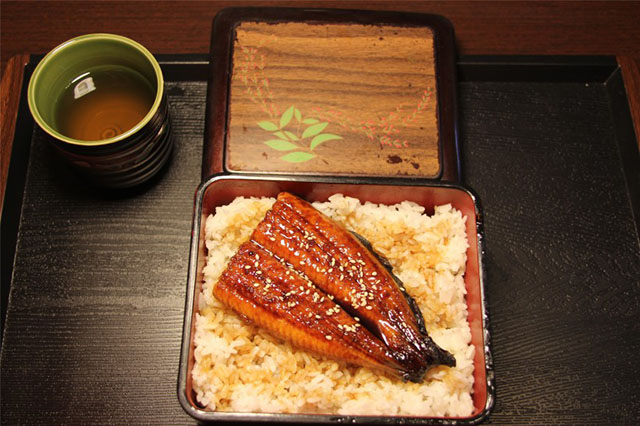
| Frozen unagi kabayaki fillet | Rice bowls, sushi, and plated Japanese-style meals. | Serving size, sauce level, cutting style, and heating instructions. | The glaze is part of the finished product and belongs in nutrition comparisons. |
| Cut eel pieces | Meal prep, noodle toppings, salads, and smaller portions. | Piece size and how many pieces make one serving. | Small pieces can make portion control harder if they are added casually. |
| White-roasted eel | Recipes where the cook wants to control the seasoning. | Whether sauce is included separately or added during cooking. | Final nutrition changes with the sauce and side dishes you add. |
| Eel sauce | Finishing grilled eel, rice bowls, and sushi-style dishes. | Serving size, ingredients, sugars, and sodium on its own label. | “A little extra” sauce can become a meaningful addition across a full meal. |
If you want to control seasoning at home, choose a format that lets you add sauce gradually. If you want fast preparation and a familiar Japanese restaurant-style profile, kabayaki may be the more practical choice. Our unagi kabayaki product information can help buyers compare prepared formats before requesting specifications.
For people who enjoy adjusting sweetness and savory depth, review the separate eel sauce product option rather than assuming all tare performs the same way in a finished dish.
A practical buying checklist that avoids common eel-claim mistakes
The conclusion here is practical: choose traceable, clearly labeled eel, then cook and serve it with the same attention you give any prepared seafood. This suits retail buyers, restaurant operators, and importers comparing suppliers. It does not mean a certification removes the need to review a product specification, import requirement, or local labeling rule.
- Check the product name. Confirm whether you are buying plain eel, white-roasted eel, kabayaki, cut pieces, or a sauce-inclusive item.
- Read serving size first. Then compare protein, fat, sugars, sodium, and ingredients on an equal serving basis.
- Check allergen information. Fish is a major food allergen, and sauces may contain additional ingredients relevant to the buyer.
- Match the product to the menu. A lightly seasoned dish gives the cook more control than a fully glazed preparation.
- Ask for traceability information. For trade buyers, farm registration, process controls, and cold-chain capability should be part of supplier review.
- Follow storage and heating directions. Food safety instructions on the actual product take priority over general cooking advice.
Common mistakes to avoid
- Mistake: Treating kabayaki sauce as nutritionally irrelevant. Better approach: Count the sauce as part of the serving.
- Mistake: Assuming all online eel benefits apply to every frozen product. Better approach: Compare the exact package label and ingredient list.
- Mistake: Using “collagen food” as a reason to ignore portion size. Better approach: Build a varied meal around your own dietary needs.
- Mistake: Choosing only by glossy color or heavy glaze. Better approach: Check cut consistency, package integrity, labeling, and supplier controls.
- Mistake: Forgetting that eel is seafood. Better approach: Keep allergen management and cold storage in the buying decision.
Here is a useful cold fact: a darker, shinier kabayaki surface does not automatically mean stronger nutrition or better fish quality. It may simply reflect the amount of glaze and the roasting process. Eelpro uses a four-layer soy-sauce coating process with defined color standards from white-roasted color through the first to fourth coatings. That supports product consistency; it should not be presented as evidence of extra health effects.
What responsible sourcing adds to an evidence-aware choice
Nutrition claims and food safety are separate questions, but both matter. The most useful eel benefits discussion begins with a product that is properly controlled from raw material through shipment. This is relevant for importers, foodservice teams, and shoppers who want to understand how a prepared eel product is managed. It does not turn traceability into a nutrition claim.
Eelpro operates with ISO 22000:2018, HACCP, HALAL certification, export food producer registration, and an SC food production license covering quick-frozen prepared foods. The company works with approximately 20 customs-registered eel farming bases covering 2,150 mu, applies full-chain traceability, and has an in-house laboratory and metal detectors at critical control points. Learn how sourcing begins at the unagi eel farm and how verification is supported by the eel lab.
For B2B buyers, the decision is not limited to a health headline. Check available cut specifications, packaging format, product labels, requested documentation, and cold-chain requirements. Eelpro has two modern production lines with an annual finished-goods capacity of 4,000 tons and a 1,000-ton cold storage facility. Regular orders are generally delivered in approximately 30 days from order confirmation to shipment, with timing subject to specification and quantity.
The most realistic view of eel benefits is also the most useful one: eel can be an enjoyable protein-containing seafood choice, while the finished product label tells you how it fits into your actual meal. Check the facts, respect the limits, and let taste and portion work together.
Request a product specification or sample to compare frozen unagi formats, sauces, and labeling for your menu or retail plan.