


What Is Eel Sauce in Sushi, and Why It Tastes Sweeter Than You Expect
Order a unagi roll and the dark, glossy sauce drizzled across the top raises a fair question: what is eel sauce in sushi, exactly, and is it made from actual eel? Short answer — no eel inside, despite the name. The term comes from its origin as the glaze brushed onto kabayaki (grilled eel) during roasting. For sushi buyers evaluating suppliers, this detail matters more than it sounds. The right sauce changes shelf stability, menu consistency, and how often customers come back for that same roll.
What Is Eel Sauce in Sushi, Really?
In Japanese kitchens it's called unagi tare, a reduction traditionally built from soy sauce, mirin, sugar, and the pan drippings left over from grilling eel. Commercial versions used by restaurants today standardize that last part — no raw eel goes into the bottle, but the name stuck because the sauce was invented to glaze eel, not fish in general.
It's thick, dark brown, and sticky enough to cling to a spoon without running off. That texture is intentional. A thin sauce would soak into sushi rice and turn it mushy within minutes; a properly reduced tare stays on the surface, which is why kitchens brush it on just before serving rather than mixing it into rice early.
The Sweet-Savory Flavor Profile Explained
Every bottle of eel sauce runs on the same three-part base: soy sauce for salt and umami, mirin for sweetness and shine, and sugar for body and caramelization. But the ratio of those three ingredients decides whether a sauce works on a broiler or falls apart under heat. Here's what each parameter actually controls:
- Sugar content — controls caramelization speed. Too high, and the sauce scorches black under a torch or broiler before the fish underneath even warms through. Too low, and the glaze never develops the glossy finish customers expect.
- Mirin ratio — controls sweetness balance and shine. Skip it or substitute plain sugar water, and the sauce turns flat and dull instead of glossy.
- Soy sauce ratio — controls salt and depth. Push it too high relative to sugar and mirin, and the sauce overwhelms the fish's natural flavor, which defeats the point of using eel sauce at all.
- Reduction time and viscosity — controls how well the sauce clings to rice or skewers. Under-reduced sauce runs off the roll onto the plate; over-reduced sauce turns gummy and hard to spread evenly.
This is also why eel sauce is a finishing glaze, not a dipping sauce. Dipping requires a thinner, pourable liquid so the fish can be submerged without overpowering it — think ponzu. Eel sauce is deliberately thick and sweet so a thin brushed layer delivers full flavor without drowning the rice. Dip raw unagi or roll pieces into it the way you would soy sauce, and you'll get an overly sweet, cloying bite instead of the balanced finish the sauce is designed for.
Eel Sauce vs Other Sushi Condiments
| Condiment | Flavor | Viscosity | Typical Use |
|---|---|---|---|
| Eel sauce (unagi tare) | Sweet, savory, caramel-forward | Thick, syrup-like | Brushed on as a finishing glaze after grilling |
| Soy sauce | Salty, umami | Thin, watery | Dipping, seasoning raw fish |
| Teriyaki sauce | Sweet-salty, lighter than eel sauce | Medium | Marinade and glaze for grilled meats and fish |
| Ponzu | Citrus, tangy, light | Thin | Dipping sauce for sashimi and cold rolls |
If you're designing a menu around unagi kabayaki, eel sauce is the only one on this list built specifically for that pairing. Swapping in teriyaki will get you close, but the sugar-to-soy ratio in teriyaki is usually lighter, so the glaze won't hold the same shine under a broiler.
How Foodservice Operators Apply It Correctly
Getting consistent results on a busy line comes down to sequence, not guesswork:
- Thaw frozen kabayaki or sauce under refrigeration, not at room temperature, to protect texture and food safety.
- Warm the sauce gently in a double boiler or low microwave setting — boiling it directly can scorch the sugar.
- Brush a thin, even layer onto the grilled eel or finished roll using a silicone brush, not a spoon, for even coverage.
- Pass under a broiler or torch for 10-20 seconds, just enough to set the glaze without burning it.
- Rest 1-2 minutes before slicing so the glaze firms up and doesn't smear across the cutting board.
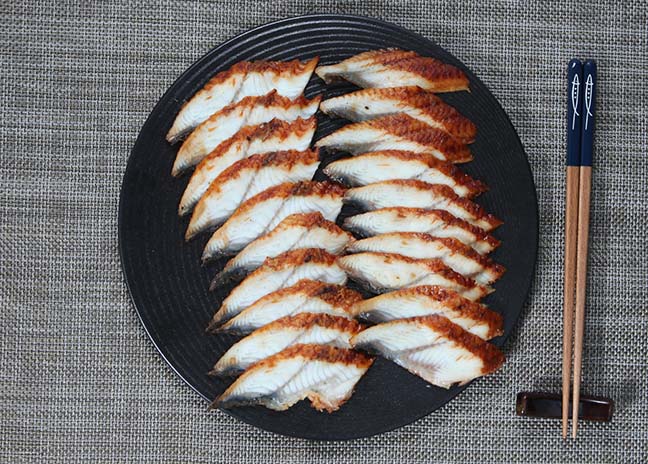
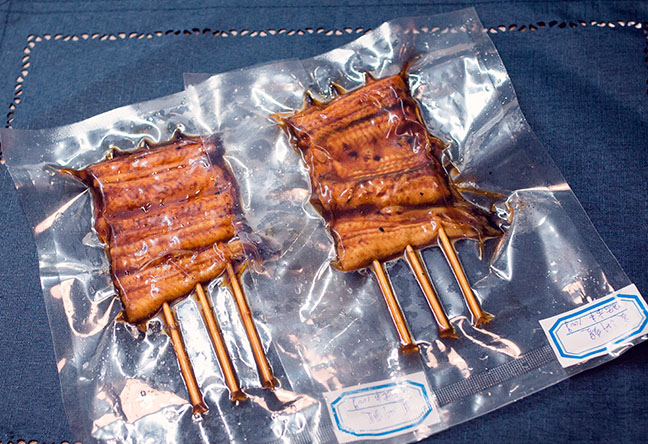
Kitchens working with pre-cut, boneless product — like our skin-packaged kabayaki portions — can skip most of the prep labor and go straight to glazing and plating, which matters a lot during peak service hours.
Common Sourcing Mistakes to Avoid
- Assuming all eel sauces are interchangeable. Viscosity and sugar ratios vary a lot between suppliers; a sauce built for drizzling won't hold up under a broiler.
- Ignoring cold-chain requirements. Sauce and kabayaki both need stable frozen storage; temperature swings during transit affect texture and shelf life.
- Pairing a high-sugar sauce with delicate white fish. The sweetness overwhelms mild flavors — eel sauce was built for the richer, fattier profile of roasted eel.
- Skipping certification checks for export markets. Buyers shipping into the US, EU, or HALAL-sensitive markets need documentation up front, not after the container is already booked.
- No traceability paperwork. Without farm-to-shipment records, customs delays in Japan, the US, or the EU become far more likely.
These mistakes show up often enough in RFQs that we built our documentation process around avoiding them — details are covered more in our kabayaki sauce breakdown.
Buyer's Checklist Before Ordering Eel Sauce or Kabayaki in Bulk
- Confirm the supplier holds ISO 22000:2018 and HACCP certification, plus HALAL if your market requires it.
- Ask whether raw material comes from customs-registered farming bases with traceability records — we work with around 20 such bases covering 2,150 mu.
- Check cold storage capacity; a 1,000-ton facility signals stable supply during peak seasons, not just a one-off batch.
- Clarify MOQ terms for your channel — catering chains, wholesalers, and export traders are usually quoted differently based on cutting spec and packaging format.
- Confirm lead time. Our regular production orders run about 30 days from confirmation to shipment, though this shifts with spec and volume, so build it into your planning calendar rather than assuming it's fixed.
For operators building cutting specs around sushi rolls, strips, or sushi slices, our frozen eel supplier page breaks down the available formats in more detail, and our in-house lab handles the microbiological and residue testing behind every batch.
Pairing Eel Sauce Beyond the Classic Roll
Eel sauce isn't limited to unagi rolls. It shows up on grilled skewers, donburi bowls, and even noodle dishes where a sweet-savory glaze rounds out the broth. If you're testing new menu items, our eel sauce recipe and storage guide covers batch prep and shelf-life handling, and the kabayaki sauce troubleshooting guide walks through fixes when a batch turns out too thin or too sweet.
Operators sourcing both eel sauce and kabayaki from the same supplier tend to see more consistent flavor matching between the glaze and the fish, since both are formulated around the same four-layer soy-sauce coating process rather than mixed from separate vendors with different sugar ratios.
Looking to test eel sauce or frozen kabayaki on your own menu before committing to a bulk order? Reach out for a sample or a spec sheet, and we'll walk you through cutting options, packaging formats, and lead times based on your volume.