





An eel sauce recipe that’s prepped in advance saves you when last-minute cravings strike. It’s Tuesday, 6 p.m. The unagi fillets are thawed, rice is steaming, and you realize the bottle in the door is empty. You don’t need a grocery dash—you reach for a jar of homemade unagi sauce stashed two weeks ago. That’s the kind of quiet victory we love. Whether you run a small sushi counter or just want Wednesday night unagi don at home, having a batch of Japanese eel sauce ready changes the game. We’ll show you exactly how to make it, plus the storage and reheating tricks that keep the texture silky and the flavor deep.

Control. Bottled sauces vary wildly in sweetness and salt. When you make your own, you dial in the exact balance your menu—or your family—prefers. Cost matters too: a small retail bottle can run $8–12, while a batch from pantry staples costs a fraction of that. Then there’s freshness. No preservatives, no stabilizers. Just what you cooked. Of course, if time is tight, our eel sauce skips the simmering altogether and delivers a consistent, restaurant-grade tare. But on a quiet Sunday, stirring a pot of homemade sauce is deeply satisfying.
The soul of Japanese eel sauce lives in four pantry heroes. Skip any one, and the character shifts. Here’s what you’ll need for a batch that yields about 1½ cups (350 ml).
We’ve seen sushi chefs drop a 2-inch square of dried kombu into the pot while the sauce simmers. It whispers ocean savouriness without screaming. A pinch of sea salt (¼ teaspoon) can sharpen the sweet notes. This is the same thinking behind our kabayaki sauce—layer flavour quietly. If you want a tiny hit of smokiness, a single drop of liquid smoke won’t hurt, but real unagi tare isn’t smoked; the char comes from grilling the eel.
This is a simple reduction. No roux, no tempering. Still, timing matters.
Most home cooks panic when it looks thin after 25 minutes. Don’t. The real thickening happens as it cools. Patience rewards you with a sauce that clings to grilled unagi like velvet.
Storage isn’t an afterthought—it’s what makes this eel sauce recipe a weekday ally. Get your containers ready before the sauce finishes cooking.
Transfer the strained sauce to a clean glass jar with a tight lid. Mason jars work perfectly. Let the sauce hit room temperature fully; trapping warmth creates condensation that waters down the top layer. Once cool, seal and label with the date. A strip of masking tape and a marker take ten seconds.

In the fridge (1–4°C / 34–39°F), homemade unagi sauce stays bright and safe for up to 2 weeks. Always use a clean spoon to scoop. Double-dipping introduces bacteria. We’ve kept jars for 18 days without issue, but the flavour starts to dull after day 14.
Absolutely. The high sugar content keeps it from freezing rock-solid, which means it thaws fast. Pour cooled sauce into silicone ice cube trays—each cube holds about 2 tablespoons. Freeze until firm, then pop the cubes into a zip-top freezer bag. Squeeze out air, seal, and store flat. Frozen eel sauce holds for 3 months without noticeable quality loss. This trick saves us when a client places a last-minute unagi order and we need extra sauce for a tasting tray.
Refrigerated: 2 weeks. Frozen: 3 months. Trust your senses—if the sauce develops an off smell, a cloudy appearance, or any mold, discard it. But that rarely happens when you store it properly. One chef we know still pulls cubes from a batch dated four months back; we prefer to play it safe at three.
You pull a chilled jar from the fridge, and the sauce looks like amber fudge. Heat it wrong, and you’ll get a grainy, separated mess. Here’s how to bring it back.
Stovetop: spoon the amount you need into a small saucepan. Add 1 teaspoon of water per ¼ cup of sauce. Warm over the lowest flame, stirring constantly. It’ll loosen and gloss up in under a minute. Never let it boil—boiling can break the sugar structure and turn the sauce sticky-tough.
Microwave: use a microwave-safe bowl, cover loosely, and zap in 15-second bursts. Stir between bursts. Again, add a splash of water if it feels too thick. We’ve found this restores the syrupy sheen without any pasty aftertaste.
If you froze the sauce as cubes, toss them directly into a warm pan. They melt evenly and almost instantly glaze whatever you’re cooking.
Homemade eel sauce isn’t just for eel. Brush it onto grilled salmon, stir a spoonful into fried rice, or drizzle over roasted eggplant. It transforms a simple tamagoyaki (rolled omelette) into something you’d pay ¥800 for at a Tokyo counter. Dabbing it on a burger with pickled ginger? Try it once.
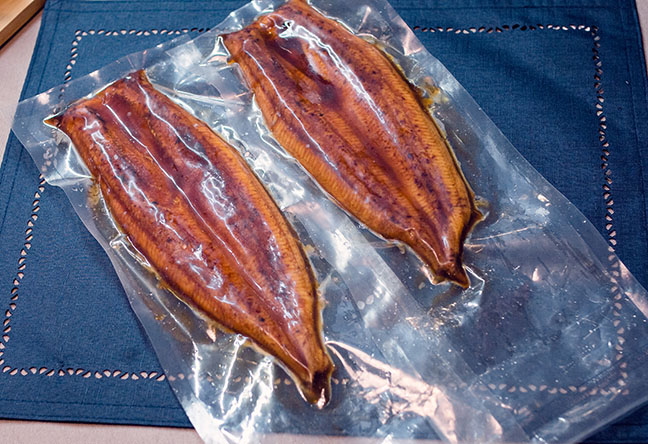
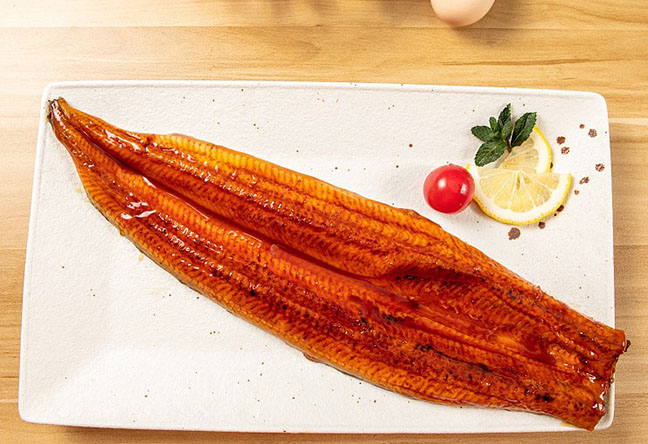
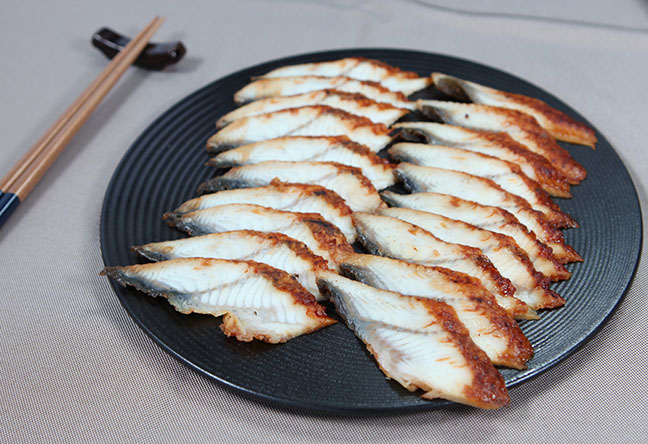
For the classic combination, pair your sauce with our unagi kabayaki. The frozen fillets thaw in minutes and glaze beautifully under a broiler. If you’re in a soup mood, a few drops of this sauce deepen the broth in eel noodle soup without overpowering the delicate dashi.
Stored in an airtight container in the fridge, it stays at its peak for 2 weeks. For longer storage, freeze it for up to 3 months. Always check for off-odours before use.
Yes. Freeze it in ice cube trays for convenient 2-tablespoon portions. Once solid, transfer the cubes to a freezer bag. Thaw overnight in the fridge or melt directly in a warm pan.
Add 1 teaspoon of water per ¼ cup of sauce and warm gently on the stovetop over low heat, stirring constantly. For the microwave, use 15-second bursts, stirring in between. Avoid boiling—it can make the sauce grainy.
Sake adds a subtle fruity umami that’s hard to replicate. Dry sherry or Chinese Shaoxing wine can pinch-hit, but the result will be slightly different. For a non-alcoholic version, replace sake with water and a half-teaspoon of rice vinegar; the depth will be lighter but still pleasant.
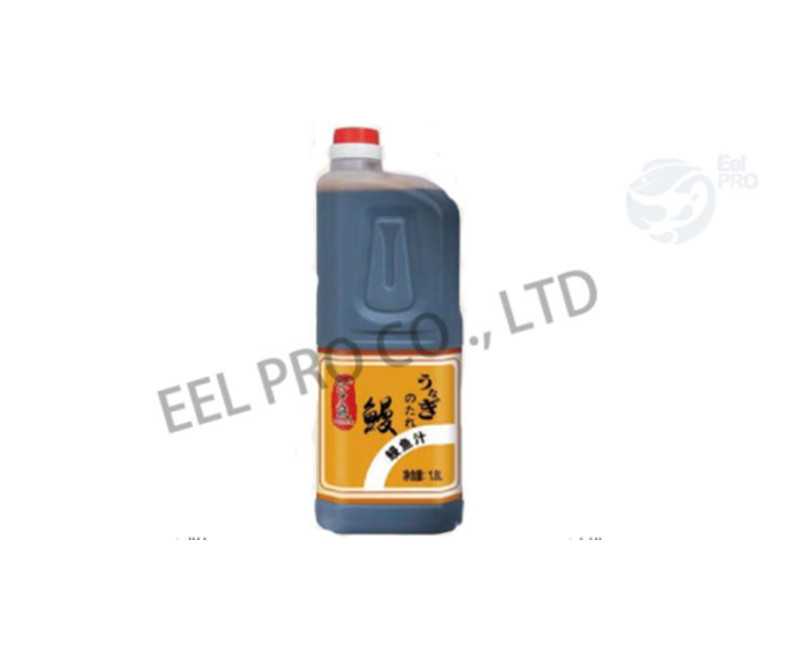
Once you nail this eel sauce recipe, you’ll wonder why you ever relied on tiny bottles. It’s faster than a grocery trip and twice as satisfying. Play with sweetness, add a whisper of ginger, or keep it classic. When life speeds up and you simply can’t spare 40 minutes at the stove, our ready-to-use eel sauce—crafted with the same honest ingredients—sits waiting. Pair it with top-grade frozen unagi from Eelpro Co., LTD, and you’ve got a restaurant-quality unagi don in under ten minutes. We’d love to hear how your batch turned out. Drop a comment, share a photo, or just ask us anything about eel.
[xss_clean] { "@context": "https://schema.org", "@type": "FAQPage", "mainEntity": [ { "@type": "Question", "name": "How long does homemade eel sauce last?", "acceptedAnswer": { "@type": "Answer", "text": "Stored in an airtight container in the fridge, it stays at its peak for 2 weeks. For longer storage, freeze it for up to 3 months. Always check for off-odours before use." } }, { "@type": "Question", "name": "Can you freeze eel sauce?", "acceptedAnswer": { "@type": "Answer", "text": "Yes. Freeze it in ice cube trays for convenient 2-tablespoon portions. Once solid, transfer the cubes to a freezer bag. Thaw overnight in the fridge or melt directly in a warm pan." } }, { "@type": "Question", "name": "How to reheat eel sauce without changing its texture?", "acceptedAnswer": { "@type": "Answer", "text": "Add 1 teaspoon of water per ¼ cup of sauce and warm gently on the stovetop over low heat, stirring constantly. For the microwave, use 15-second bursts, stirring in between. Avoid boiling—it can make the sauce grainy." } } ] } [xss_clean]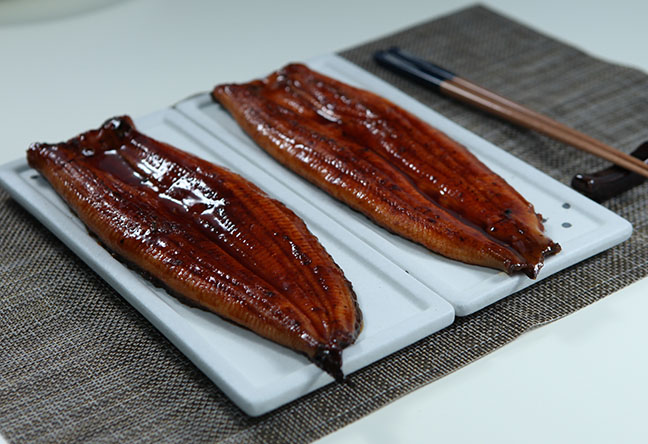
 WhatsApp
 sales@chinaeels.com
 +8619937922411