





This eel sushi roll recipe walks you through making unakyu maki with grilled unagi, crisp cucumber, seasoned sushi rice, and nori. It is an easy homemade sushi roll for lunch, dinner, or a small gathering.
Unakyu maki is a classic Japanese roll known for its simple but satisfying contrast: rich, sweet-savory eel alongside fresh cucumber. The eel is typically prepared as unagi kabayaki, grilled and brushed with a soy-based sauce. Once the rice is cooked and cooled, you can assemble the rolls in about 15 minutes.
You do not need a restaurant sushi counter to make it well. A bamboo rolling mat, a sharp knife, and carefully prepared ingredients will do the job. Moisture control matters most: overly wet rice, watery cucumber, or too much sauce can soften the nori before the roll is sliced.
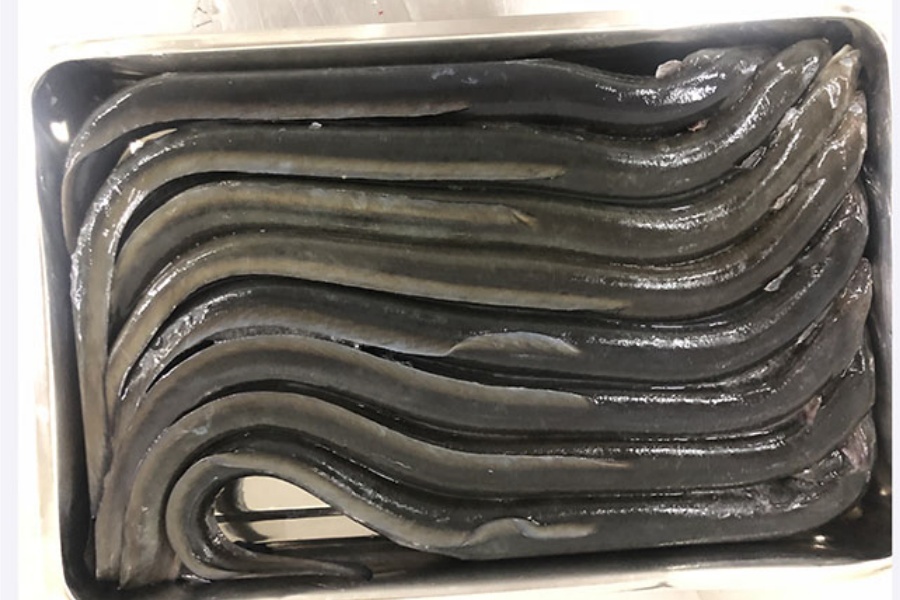
“Unakyu” combines unagi, meaning freshwater eel, and kyuri, meaning cucumber. Maki refers to rolled sushi. In a standard unakyu maki, sushi rice and fillings are layered on a sheet of nori, rolled into a cylinder, and sliced into bite-sized pieces.
The eel is usually grilled before it goes into the roll. Its sweet, salty glaze works especially well with the clean crunch of cucumber. Some cooks add toasted sesame seeds, shiso, or a little Japanese mayonnaise, though the traditional filling is often kept simple.
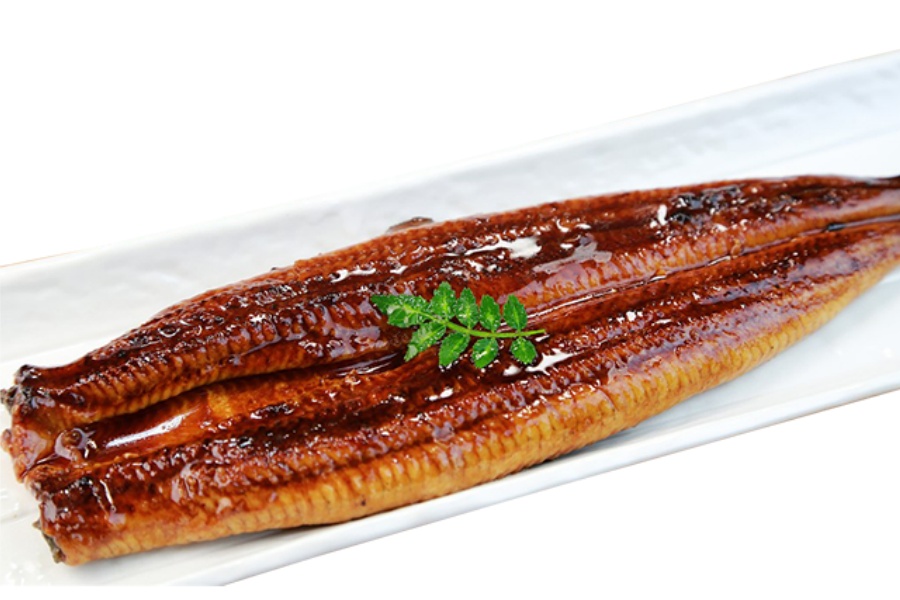
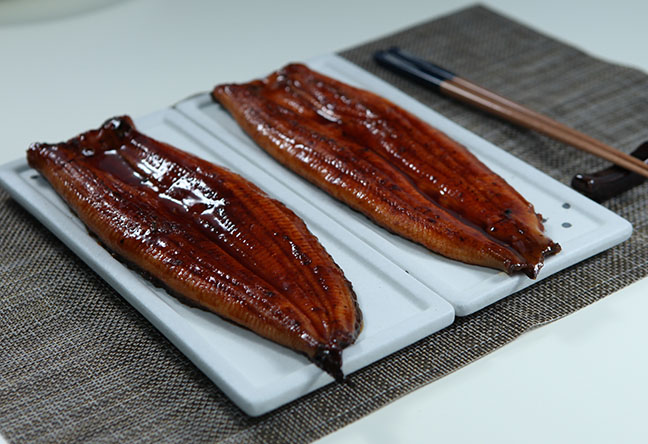
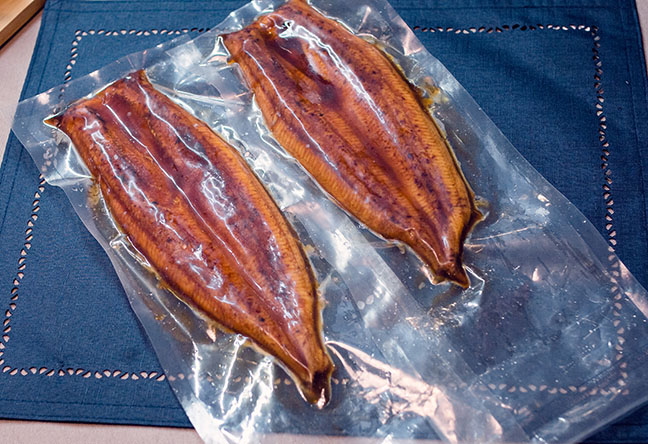
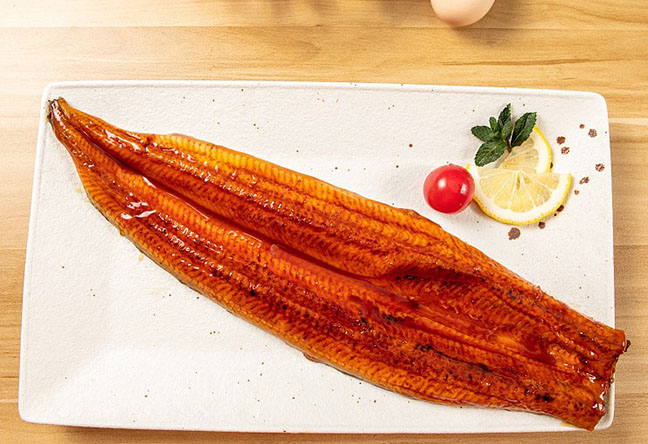
For a quicker home preparation, use ready-to-heat kabayaki instead of starting with a whole raw eel. Eelpro’s unagi kabayaki is well suited to recipes where the eel is heated, sliced, and served in sushi or rice dishes.
These quantities make approximately four full rolls, or 24 to 32 individual pieces, depending on how thickly you slice them.
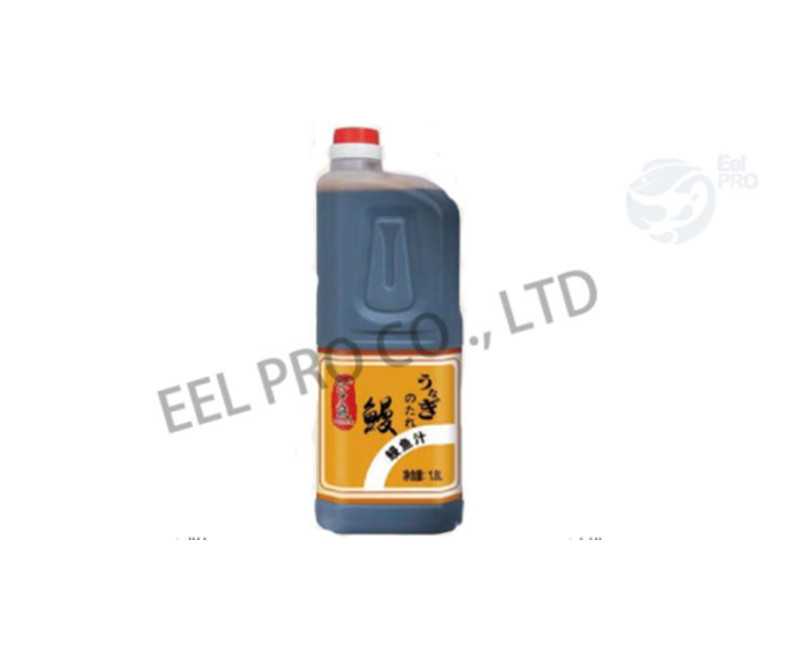
When buying eel, check whether the package includes sauce. If it does, warm the eel gently and use the supplied sauce as a finishing glaze. If you need separate tare for brushing or dipping, see Eelpro’s eel sauce product.
Rinse the rice under cold water several times, until the water runs noticeably less cloudy. If time allows, drain it for 15 to 20 minutes before cooking. Then cook the rice using your preferred rice cooker or stovetop method.
While the rice cooks, combine the vinegar, sugar, and salt in a small saucepan. Warm over low heat only until the sugar and salt dissolve. Do not let it boil. Set the seasoning aside to cool slightly.
Transfer the cooked rice to a wide bowl or shallow tray. Pour the vinegar mixture over it, then fold gently with a rice paddle or spatula. Use a slicing and folding motion instead of stirring in circles, which can crush the grains.
Spread the rice into a thin layer and allow it to cool to room temperature. Cover it with a clean, slightly damp towel so it does not dry out. Avoid refrigerating the rice before rolling; chilled rice becomes firm and harder to spread.
Remove the unagi kabayaki from its package and heat it according to the product instructions. Depending on the product, a covered pan, oven, toaster oven, or microwave can all work. The aim is to warm the eel through without drying out the fillet.
If using an oven, place the eel in a small baking dish and cover it loosely with foil. Heat at approximately 180°C until warmed through, usually 8 to 10 minutes, although package instructions should always take priority. Brush on a light coat of sauce near the end of heating.
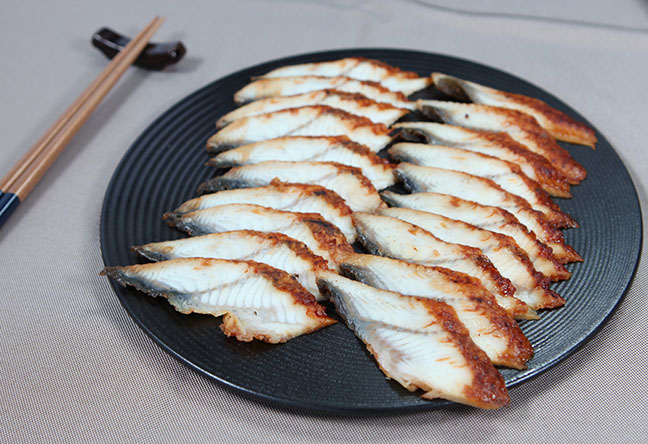
Let the eel rest for a few minutes, then cut it into long strips about 1 to 1.5 cm wide. Long strips are easier to arrange across the rice and help ensure every slice has a balanced amount of filling.
Wash and dry the cucumber, then cut it lengthwise into long sticks. If the center is very seedy, remove some of the soft middle with a knife or spoon. It is a small detail, but it helps prevent excess water from collecting inside the roll.
A cucumber stick about 1 cm thick is ideal. It should add a noticeable crunch without making the roll difficult to close.
Place a bamboo sushi mat on a clean work surface. For easier cleanup, cover the mat with plastic wrap. Set one sheet of nori on top with the rough side facing up and the long edge nearest you.
Keep a small bowl of water nearby for your fingers. Sushi rice is sticky, so lightly wet your fingertips before handling it. Do not soak them, however, as too much water can weaken the nori.
Use about 120 to 150 g of seasoned rice for each roll. Place it across the nori and spread it into an even layer. Leave roughly 2 cm of bare nori at the far edge; this uncovered strip will seal the roll.
Do not press the rice down heavily. A thin, even layer creates a better rice-to-filling balance and makes the finished pieces easier to slice cleanly.
Lay one or two strips of warm eel horizontally across the lower third of the rice. Place a cucumber stick beside the eel. If using sesame seeds, sprinkle a small amount over the filling or rice.
Use the sauce sparingly. Kabayaki already has a bold flavor, and excess liquid can cause the nori to tear. For a sweeter finish, brush sauce over the completed roll rather than adding too much inside.
Lift the edge of the mat closest to you. Hold the filling in place with your fingers as you fold the lower edge of the nori over it. Continue rolling forward with steady, gentle pressure.
Once the rice forms a cylinder, press the mat around the roll for a few seconds. This firms up the maki without crushing the filling. Moisten the bare strip of nori at the far edge, then finish the roll with the seam underneath.
Use a sharp knife with a thin blade. Moisten the blade with water and wipe it clean after every cut. Cut the roll in half first, place the two halves together, then divide them into three or four pieces each.
Six to eight pieces per roll makes a practical serving size. Arrange the pieces with the eel visible on one side, then serve with pickled ginger, wasabi, and a small amount of soy sauce.
Hot rice creates steam and softens the nori too quickly. Fully chilled rice, on the other hand, can become hard and compact. Room-temperature rice is easiest to handle when rolling.
After cutting, pat the cucumber sticks dry with a paper towel. If you prepare them more than 20 minutes in advance, store them in a container lined with a dry towel. This keeps moisture from building up inside the roll.
For a 19 cm by 20 cm nori sheet, a narrow line of eel and one cucumber stick are usually enough. An overfilled roll can split under pressure, particularly when the rice layer is too thick.
Rice and eel sauce quickly collect on the blade. Wiping the knife between cuts produces neater pieces and keeps the filling from dragging out of the roll.
Some diners prefer only a light glaze, while others enjoy more tare. Serve extra sauce in a small dish or brush it over the roll just before serving. Eelpro also explains the role of this sweet-savory glaze in its article about kabayaki sauce.
The basic filling is easy to adapt while keeping the familiar character of unakyu maki.
If you have extra kabayaki, try it in noodle dishes or soups. Eelpro’s eel recipes include another way to serve prepared freshwater eel at home.
Keep frozen eel properly frozen until you are ready to thaw and heat it. Thaw it in the refrigerator, never on the kitchen counter. Once heated, let it cool briefly before placing it on the rice.
Fresh sushi rice and cut rolls are best served soon after preparation. If you need to store leftovers, transfer them promptly to a sealed container and refrigerate them. The nori will soften and the rice will firm up, so the texture will not match a freshly rolled batch. For quality and food safety, eat prepared rolls within the same day.
Do not leave eel sushi at room temperature for long periods, especially in a warm kitchen or outdoor setting. Keep ingredients cold before preparation and use clean utensils throughout.
You can use plastic wrap, parchment paper, or a clean kitchen towel as a guide. Place the nori and rice on the covered surface, add the filling, and roll it forward while applying light pressure. A bamboo mat makes shaping easier, but it is not essential.
A simple unakyu maki recipe includes grilled freshwater eel, cucumber, sushi rice, and nori. Eel sauce, sesame seeds, wasabi, and pickled ginger are common additions. The eel is generally prepared as kabayaki with a sweet soy-based glaze.
The main eel roll ingredients are unagi kabayaki, Japanese short-grain rice, rice vinegar, sugar, salt, nori, and cucumber. You may also want eel sauce for finishing and soy sauce for serving.
Yes. Thaw frozen kabayaki in the refrigerator, then heat it according to the package directions. Let it rest briefly before slicing. Frozen prepared eel is convenient because the grilling and sauce preparation have already been completed.
Yes. Avocado, shiso, scallion, pickled daikon, and cooked shrimp all work well with eel. Keep the portions modest so the roll closes neatly. Cucumber remains a popular choice because its fresh crunch balances the eel’s rich texture.
This recipe comes down to three things: properly seasoned rice, warm and tender eel, and a dry, crisp filling. Once those elements are ready, rolling is straightforward. For restaurants, distributors, and home cooks purchasing in larger quantities, Eelpro Co., LTD supplies frozen unagi kabayaki, eel sauce, frozen seafood, and freshwater eels for a range of food-service needs.
Try this eel sushi roll recipe with Eelpro kabayaki and tare, then adjust the rice, cucumber, and sauce to suit your menu or family table.
 WhatsApp
 sales@chinaeels.com
 +8619937922411