





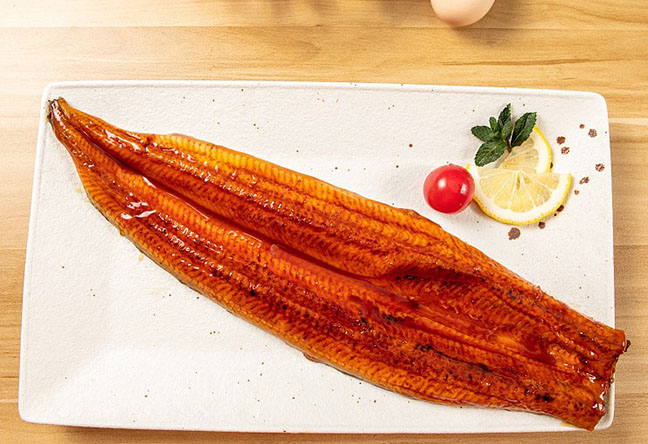
Eel teriyaki brings together grilled freshwater eel and a glossy sweet-savory sauce. The finished dish has tender unagi, lightly caramelized edges, a clean soy note, and just enough sweetness to complement the eel’s naturally rich flavor.
It is a versatile option for restaurant menus, Japanese-style rice bowls, sushi counters, and fusion dishes. While whole freshwater eel can be prepared from scratch, pre-cooked frozen unagi kabayaki makes service far more efficient. Simply thaw, heat, brush with a lighter teriyaki glaze, and serve.
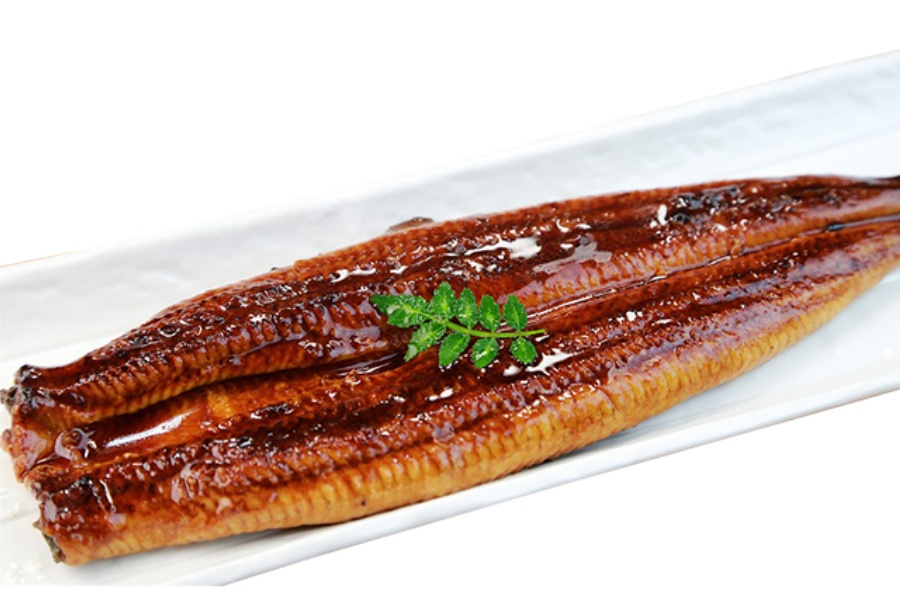
In eel teriyaki, the word “teriyaki” refers to the finishing technique. Grilled or reheated eel is brushed with a shiny sauce made with soy sauce, mirin or another sweet rice seasoning, sugar, and sometimes sake or water. The sauce is reduced just enough to cling lightly to the fish.
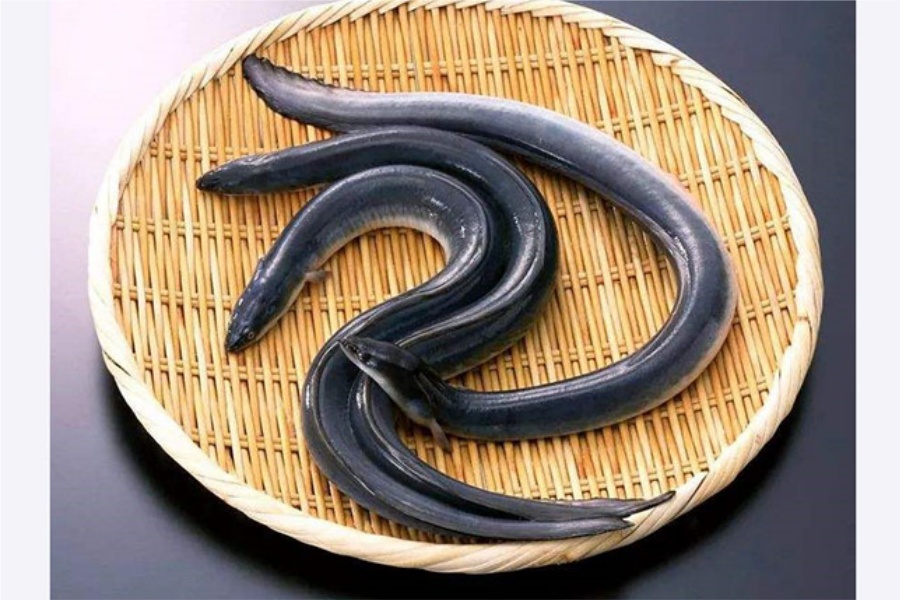
Freshwater eel is called unagi in Japanese cooking. Its soft, fatty texture responds especially well to grilling. Heat tightens the surface, while the glaze adds shine along with a balanced mix of salt, sweetness, and umami.
Eel teriyaki is closely related to unagi teriyaki, and many menus use the terms interchangeably. Sauce recipes vary from one kitchen to another. Some chefs prefer a thin glaze with a clean soy finish, while others use a darker, sweeter sauce similar to the tare traditionally served with kabayaki.
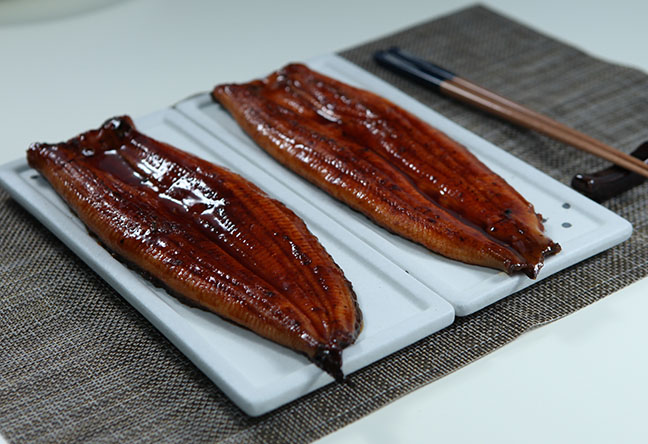
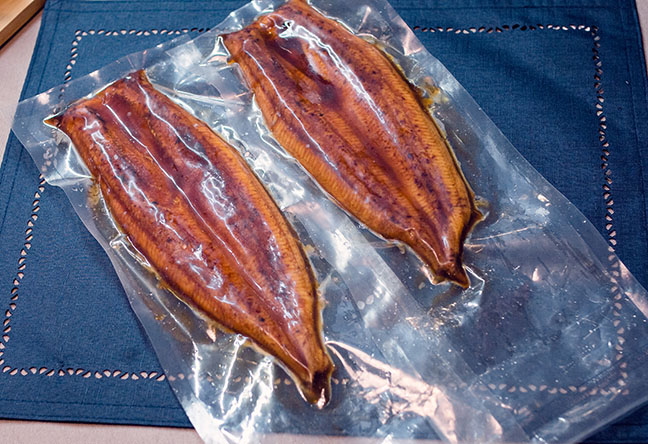
Kabayaki is a specific Japanese eel preparation. The eel is typically filleted, skewered, grilled, coated with a sweet soy-based tare, then grilled again. This process creates a smoky exterior and a soft, rich interior. Frozen unagi kabayaki is generally already cooked and sauced, meaning the buyer only needs to reheat it according to the product instructions.
Teriyaki eel can use a similar grilling method, but its sauce does not have to match traditional kabayaki tare. A lighter teriyaki glaze may use less sugar, require less reduction, or include ginger and citrus. That flexibility makes it well suited to bowls, salads, sandwiches, tacos, and other fusion dishes.
For restaurants offering both preparations, the distinction is straightforward:
Both styles can begin with the same high-quality freshwater eel. The main difference on the plate comes down to the sauce and final cooking method.
This grilled eel recipe is made for pre-cooked unagi kabayaki and works well for a small restaurant batch or a home serving for two.
Rice vinegar is not included in every teriyaki sauce, but a small amount brightens the glaze. Ginger is particularly good when the eel will be served with vegetables or noodles.
If you are using pre-sauced kabayaki, cut back on both sugar and soy sauce. The eel already has seasoning, and too much additional glaze can leave the finished dish overly salty. Our unagi kabayaki is well suited to this method: reheat it gently, then add only enough teriyaki glaze to achieve the finish you want.
If the eel is frozen, thaw it under refrigeration instead of leaving it at room temperature for a prolonged period. Remove it from the package and pat the surface dry. Too much moisture can keep the glaze from sticking and may cause splattering during reheating.
If you are making rice bowls, cut the fillets into portions before heating. Keeping each piece fairly large while it cooks helps preserve the eel’s soft texture.
To make teriyaki sauce for eel, combine the soy sauce, mirin, sake or water, and sugar in a small saucepan. Warm over medium-low heat, stirring until the sugar dissolves. Simmer gently for several minutes, until the liquid thickens slightly.
Do not reduce the sauce too much. A syrupy glaze burns easily on a grill and can overwhelm the fish. The ideal sauce should be fluid but glossy, coating the back of a spoon before slowly running off.
Add the ginger near the end of cooking, if using. Stir in the rice vinegar after taking the pan off the heat. For larger food-service batches, cool the sauce promptly and store it according to your kitchen’s food-safety procedures.
Preheat a grill, broiler, or oven to a moderate-high setting. Place the eel skin-side down on a lined tray or grill rack. Brush on a thin layer of sauce, then heat until the center is hot and the edges begin to brown.
For a deeper grilled finish, add another light brush of glaze during the final minute. Keep a close eye on the surface, especially under a broiler, because sugar can brown very quickly.
For pan heating, place the eel skin-side down over medium heat with a small splash of water. Cover for one or two minutes to warm the interior. Uncover, brush with glaze, and cook briefly until the sauce turns shiny.
Pre-cooked eel should be reheated thoroughly before serving. Always follow the handling and heating instructions supplied with your product, as package sizes and preparation methods can vary.
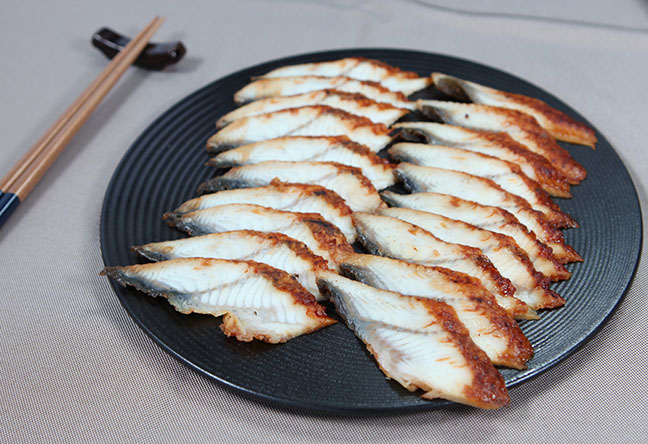
Rest the eel for one minute, then slice it into pieces about 2 to 3 centimeters wide. Serve at once over steamed rice, sushi rice, or noodles. A final brush of sauce is usually sufficient; too much can cover the eel’s smoky character.
A rice bowl is the most classic way to serve Japanese teriyaki eel. Lay the glazed eel over warm white rice and finish with sliced scallions, toasted sesame seeds, and shredded nori. Pickled ginger or a little Japanese mustard helps cut through the richness.
For a more substantial lunch plate, pair the eel with blanched spinach, edamame, cucumber salad, or grilled shiitake mushrooms. These sides bring freshness without competing with the glaze.
Teriyaki eel also fits naturally into dishes beyond the traditional Japanese format:
Keep toppings simple and restrained. Eel already has a rich mouthfeel, so crisp vegetables and acidic pickles make especially good partners.
The sauce should suit both your menu and the eel itself. If the fish is lightly seasoned, a fuller glaze can work well. When using a product already coated with kabayaki tare, choose a thinner sauce and apply it only near the end of heating.
For a less sweet version, reduce the sugar and add a little water. For a deeper flavor, simmer the sauce slightly longer or add a few drops of toasted sesame oil after cooking. Use sesame oil sparingly, as its aroma can easily dominate the eel.
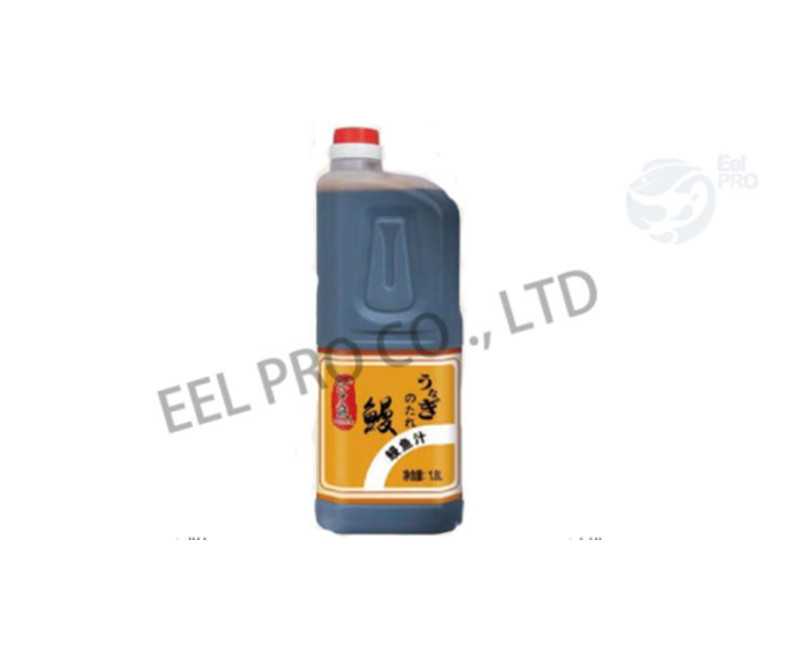
Some chefs start with prepared eel sauce, then thin it with water, mirin, or sake. This approach can help maintain a consistent flavor during busy service. If you want to compare sauce profiles, our article on kabayaki sauce explains how a sweet soy glaze supports grilled eel.
For overseas buyers, choosing between raw freshwater eel and pre-cooked frozen fillets depends largely on the kitchen setup. Raw eel gives chefs full control over filleting, grilling, and seasoning, but it also requires more preparation, trained staff, and careful handling.
Frozen unagi kabayaki is a practical choice when portion control and quick service matter. It can be stored frozen, thawed as needed, reheated, and finished with your own sauce. This format is particularly useful for compact kitchens or menus that require reliable execution during peak hours.
When comparing suppliers, ask about fillet sizes, glaze levels, packaging, frozen storage requirements, cooking instructions, and export documentation. Consistent sizing is important when pricing rice bowls or set meals, and it helps the kitchen calculate portions with less waste.
Eelpro Co., LTD supplies frozen unagi kabayaki, eel sauce, freshwater eels, and other frozen seafood for international buyers. Restaurants, distributors, and importers can choose the format that best matches their menu and service model.
Thaw the cooked eel under refrigeration, pat it dry, and heat it in an oven, broiler, grill, or covered pan. Make a light sauce with soy sauce, mirin, sugar, and water or sake. Brush the glaze onto the eel during the final stage of heating so it becomes glossy without burning.
The best teriyaki sauce for eel depends on how much seasoning is already on the fish. A balanced sauce includes salt from soy sauce, sweetness from mirin or sugar, and enough liquid to remain easy to brush on. For pre-sauced kabayaki, use a lighter glaze. A heavy sauce can make the dish too sweet or too salty.
Yes. Kabayaki sauce works well with grilled eel, although it may be darker and sweeter than a lighter teriyaki-style glaze. Thin it with a small amount of water or sake, then apply it during the final minute of grilling.
Heat a thawed cooked eel fillet until hot, brush it with teriyaki glaze, and grill briefly until the surface shines. Slice the fillet and place it over steamed rice. Add scallions, sesame seeds, nori, and pickled ginger. Serve extra sauce on the side if customers prefer to control the sweetness.
They are related, but they are not always identical. Kabayaki is a traditional preparation with its own grilling process and tare. Eel teriyaki uses a teriyaki-style glaze and may have a different sauce balance. A pre-cooked kabayaki fillet can still be used to create a teriyaki-style dish.
A well-made eel teriyaki dish needs only three essentials: tender freshwater eel, controlled heat, and a glaze that enhances rather than masks the fish. With frozen unagi kabayaki, your kitchen can prepare rice bowls, noodle dishes, sushi, and fusion plates with a simple, efficient finishing process.
Contact Eelpro Co., LTD to discuss frozen unagi kabayaki, eel sauce, freshwater eels, and frozen seafood for your restaurant or distribution business.
 WhatsApp
 sales@chinaeels.com
 +8619937922411