





It is 7:15 p.m. You are hungry, the rice cooker is empty, and dinner has not even been planned. A pack of cooked unagi kabayaki can quickly change the situation. With sensible portions, proper storage, and gentle reheating, eel recipes can become practical make-ahead meals instead of a special-occasion project.
Eel has a rich, naturally oily texture that holds up well when handled carefully. The main rule is simple: do not overcook it. Pair it with rice, noodles, vegetables, or a light soup, and one kitchen session can cover several meals. These ideas suit home cooks, weekly lunch planning, and foodservice teams that need reliable portions.

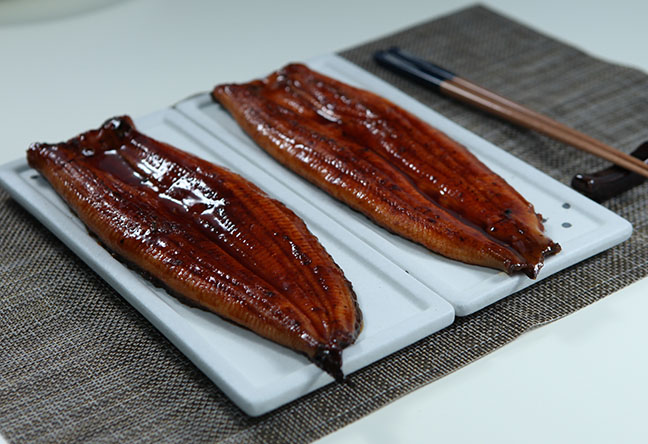
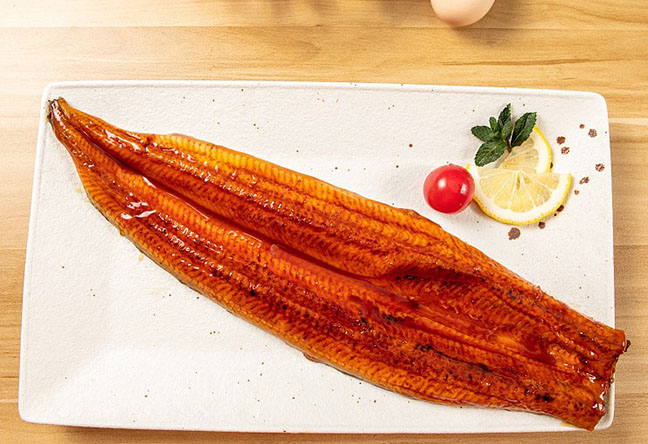
Unagi kabayaki is typically grilled or broiled with a sweet-savory sauce. This cooking method creates a lightly firm surface around a tender interior. Reheat it gently, and the fish remains moist, rich, and flavorful.
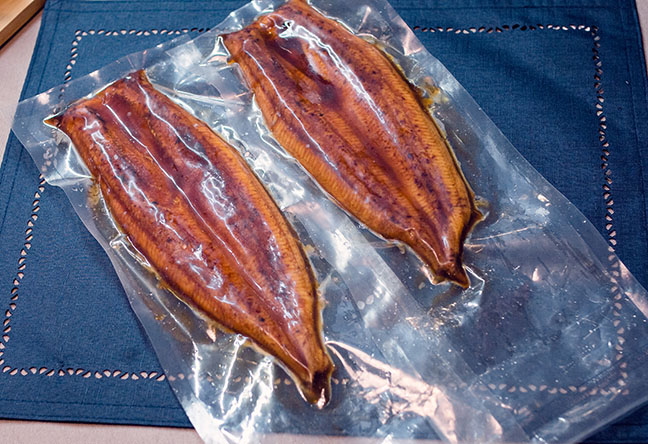
For meal prep, cooked kabayaki is often far more convenient than beginning with live or raw freshwater eel. There is no lengthy cleaning or cooking process to manage, so you can focus on portioning, sides, and serving. Frozen kabayaki also stores easily, helping home cooks and buyers plan ahead without purchasing fresh fish for every meal or service.
Raw freshwater eel has a place in professional kitchens, but it requires careful handling and thorough cooking. For weekday meals, choose a format that fits your equipment, staff time, and expected volume. For a ready-to-heat option, see our frozen unagi kabayaki product information.
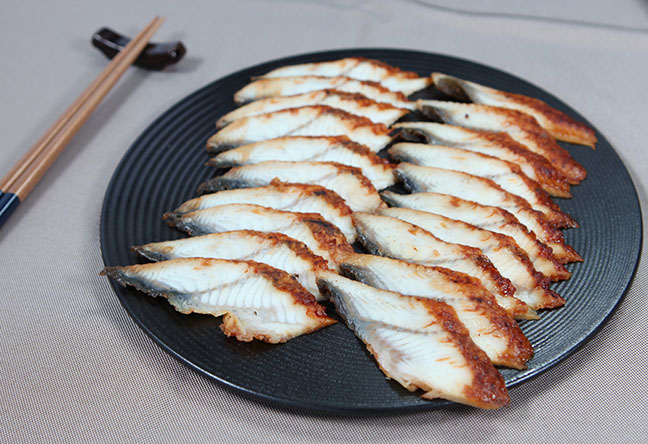
This is the most straightforward option for prepared meals. Thaw the package according to its instructions, cut the fillets into portions, and reheat with a small amount of sauce. It works especially well in rice bowls, bento boxes, noodle dishes, and quick dinners.
Look for fillets with an even cut, clean packaging, and a consistent glaze. After heating, a good portion should smell pleasantly grilled, not sharp or sour. The flesh should stay moist and separate easily with a fork.
Raw eel takes more work. It must be cleaned and cooked thoroughly before serving. This format can suit restaurants with trained kitchen staff, but it is not the most practical choice for a five-day home menu.
For a foodservice program, confirm the cut, weight range, glaze level, packing method, and frozen storage requirements with your supplier. These details influence yield, plate cost, and final reheating results.
A separate sauce gives you more flexibility. Keep some portions lightly glazed, spoon extra sauce over rice bowls, or use a thinner coating for noodles and vegetables. Our eel sauce works as a finishing sauce for kabayaki, rice, grilled vegetables, and other Japanese-inspired dishes.
For more on flavor balance and glazing, read our guide to kabayaki sauce.
Begin with a clean work surface and enough shallow containers for the portions you plan to prepare. A simple, organized workflow helps keep the fish in good condition.
For the best texture, keep eel away from very wet vegetables or soup until serving. Store rice and toppings in separate compartments where possible. This helps prevent the kabayaki surface from turning soggy.
This is one of the easiest places to start. Cook short-grain rice, then divide it into containers once it has cooled slightly. Add sliced cucumber, shredded nori, sesame seeds, and a piece of reheated kabayaki. Pack extra sauce in a small sealed cup.
For a meal-prep batch, use only a modest amount of sauce during assembly. Add more just before eating. Rice absorbs sauce as it sits, so reserving some glaze keeps the bowl from becoming too sweet or overly wet.
A practical layout is rice on one side, eel in the center, and fresh cucumber or blanched greens in a separate section. The contrast works well: warm, rich fish beside cool, crisp vegetables.
Cook soba noodles, rinse them under cold water, and drain thoroughly. Toss them with a small amount of neutral oil to reduce sticking. Add strips of kabayaki, scallions, shredded carrot, and blanched spinach.
Pack the sauce separately. A blend of unagi tare, a little water, and a few drops of rice vinegar gives the noodles a brighter finish. Pour it over the box after reheating the eel, or serve the noodles chilled with warm eel on top.
This is a good choice for anyone who prefers a lighter meal than a rice bowl. For foodservice operators, it also creates a distinct menu item without changing the main protein.
Prepare soft scrambled eggs or a Japanese-style omelet, then cut it into strips. Add rice, sliced kabayaki, scallions, and a small amount of sauce. The egg tempers the glaze's pronounced sweetness and brings a soft, gentle texture to the bowl.
For make-ahead service, store the egg and eel in separate sections when possible. Reheat the rice and fish, then add the egg near serving time. This keeps the egg from becoming rubbery.
A fully assembled soup does not always store well in the refrigerator. Noodles can swell, greens may lose their color, and eel becomes soft if it sits in hot broth for several days. Instead, prepare the components separately.
Store cooked noodles, sliced eel, broth, mushrooms, and greens in individual containers. At mealtime, heat the broth, add the vegetables, then place the eel on top for the final minute. The result is a fresher-tasting bowl with very little extra work.
Our guide to eel recipes for noodle soup offers another way to build this style of meal.

Use seasoned rice, strips of eel, avocado, cucumber, and nori. You do not need to roll sushi to make the meal look appealing. A deconstructed lunch box is quicker to prepare and easier to portion.
Keep avocado and other quick-browning ingredients separate until serving. If you use sushi seasoning, remember that eel sauce already adds sweetness and salt. Taste the rice before adding more seasoning.
Good meal prep involves both cooking and portion control. Start by deciding how much protein each serving should contain, then cut the fillets to consistent sizes. Uniform pieces reheat more evenly and make menu costing much simpler.
In our experience, separate sauce packing makes a noticeable difference. It protects the grilled surface while giving the customer control over flavor. It also allows one batch of eel to work across several different dishes.
The microwave is convenient, but direct high heat can toughen the edges. Place the eel in a microwave-safe dish, cover it with a damp paper towel or vented lid, and heat in short intervals. Start with 30 to 45 seconds for a single portion, then check it. Continue in short bursts until it is hot throughout.
For an oven or toaster oven, place the eel in a covered dish with a small splash of water or sauce. Heat at about 300°F / 150°C until warmed through, checking the center before serving. Exact timing depends on the fillet thickness and whether the eel is chilled or partly frozen.
A steamer provides gentle heat and helps preserve moisture. It is especially useful when reheating several portions, though condensation can thin the sauce. Brush on a little fresh tare after steaming.
Avoid reheating the same portion more than once. Portion only what you expect to eat, and keep the rest cold. Repeated heating affects both texture and food safety.
The best side dishes for prepared eel meals are flavorful without being overly wet. Ideally, they should still taste good after a day or two in the refrigerator.
Try pairing one rich element, one fresh element, and one neutral base. For example: eel, cucumber, and rice. Or eel, spinach, and soba. That balance keeps the meal satisfying without making every bite taste the same.
Cooked eel and its side dishes should be cooled and refrigerated promptly. Use sealed containers and keep the refrigerator at 40°F / 4°C or below. USDA guidance commonly recommends using cooked leftovers within a 3- to 4-day refrigerator window, but always follow package instructions and local food-safety rules.
If you will not eat the portions within that period, freeze them. Wrap the eel well to reduce freezer burn, and mark each package with the date. Thaw in the refrigerator rather than on the counter. Frozen portions usually have the best quality when used sooner rather than later.
Cold fact: “Unagi” refers to freshwater eel, while “anago” generally refers to conger eel, a saltwater eel. They are different fish with different textures and flavor profiles. That distinction matters when comparing menus, recipes, or supplier specifications.
Rice bowls, soba boxes, egg donburi, and component-style noodle soup are all strong choices. They use cooked eel, portion easily, and let you store wet ingredients separately. Rice bowls are the simplest option for beginners, while noodle soup components offer better texture when you want a more elaborate meal.
Use gentle, covered heat. In a microwave, cover the eel with a damp paper towel and heat in 30- to 45-second intervals. In an oven, cover it with a little water or sauce and heat at about 300°F / 150°C. Stop once the center is hot; prolonged heating is the main cause of dry edges.
Cucumber, pickled daikon, ginger, spinach, bok choy, edamame, broccoli, soba, and plain rice all pair well with eel. Choose sides that do not release too much water during storage. Keep dressings and extra tare separate until serving.
Refrigerated cooked leftovers are generally best used within 3 to 4 days, subject to package directions and local food-safety requirements. For a five-day plan, refrigerate the first few portions and freeze the later ones. Thaw frozen meals in the refrigerator before reheating.
A light coating is fine, but storing extra sauce separately usually protects the texture. It also lets you use the same eel portion in several meals, from a lightly dressed soba box to a richer rice bowl.
Meal prep does not have to mean eating the same bowl every day. Start with frozen unagi kabayaki, portion it carefully, and rotate the base: rice, soba, egg, or soup. Add crisp vegetables and keep extra tare separate. Those small choices make a real difference when the meal is reheated later.
Eelpro Co., LTD supplies frozen unagi kabayaki, eel sauce, frozen seafood, and freshwater eels for overseas buyers and foodservice planning. Explore our product range, then tell us in the comments: do you prefer eel with rice, noodles, or a bento-style selection of sides?

 WhatsApp
 sales@chinaeels.com
 +8619937922411