

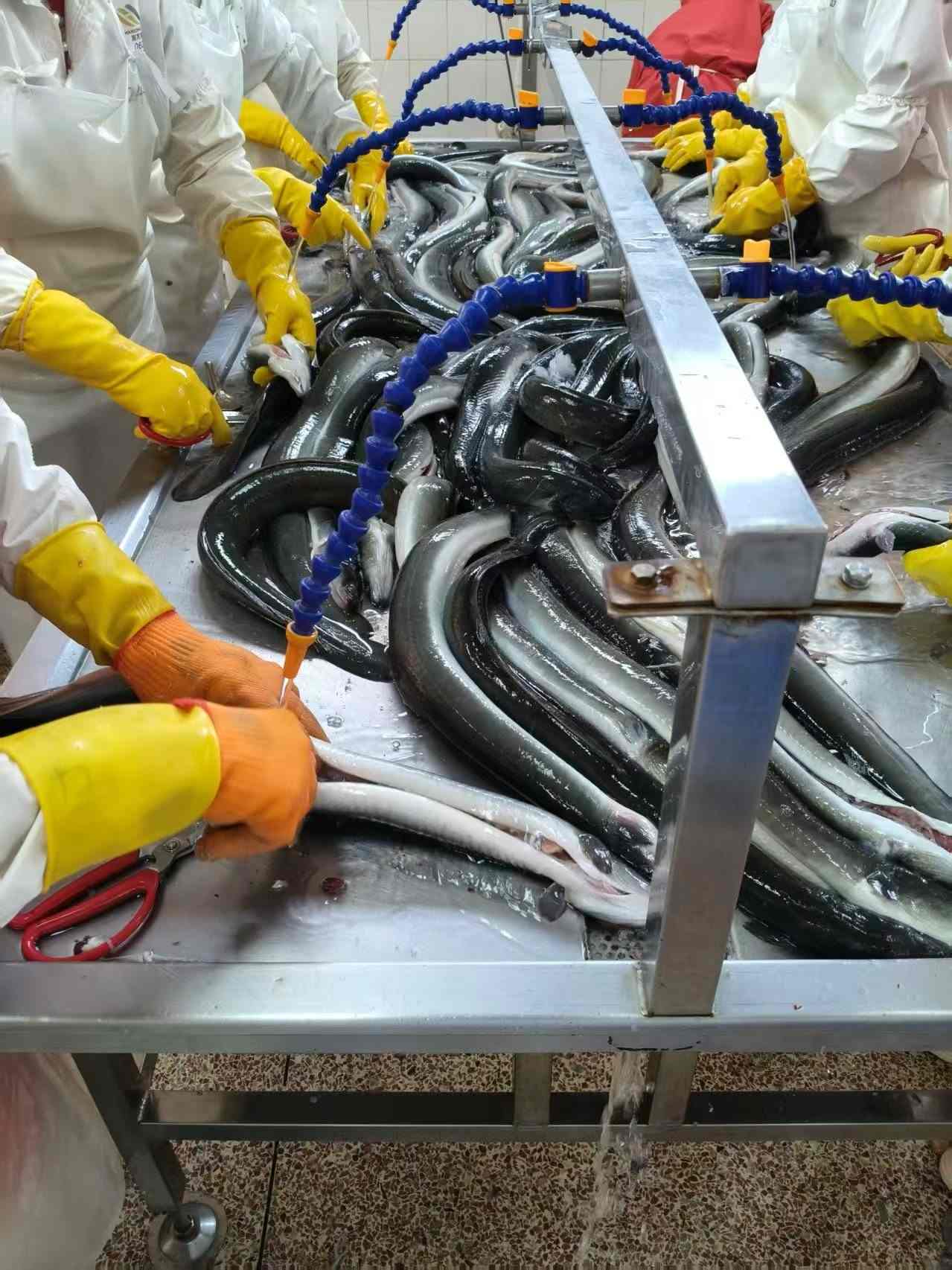
How to Cook Eel: Cleaning, Skinning, and Deboning
A whole fresh eel on the cutting board can look intimidating — slippery, muscular, still faintly glistening from the tank. Most cooks freeze for a second. But here’s the thing: mastering how to cook eel has less to do with heroic knife skills and more to do with three simple prep steps that anyone can learn. Get the cleaning, skinning, and deboning right, and the rest of the dish almost cooks itself.

I’ve walked dozens of kitchen teams through their first whole-eel prep. The biggest mistake isn’t technique — it’s rushing. Slow down, respect the fish, and you’ll end up with clean, bone-free fillets that grill beautifully or bathe in tare without any muddy notes. This guide breaks down every stage, including safety must-knows, so you can go from whole fish to skillet-ready with confidence.
Why Proper Eel Preparation Changes Everything
Eel flesh is naturally rich and sweet, but its slime coat and fine lateral bones can ruin the experience if ignored. Eel blood contains a heat-labile toxin — harmless once fully cooked, but you must never handle an open wound with raw eel slime or blood near your eyes or mouth. Chefs in Japan treat this step with ritual care, scrubbing with salt until the water runs clear. Doing the same at home gives you that clean, white-fleshed foundation that absorbs tare or marinade twice as effectively.
Before we touch a knife, let’s talk eel preparation from the moment you source the fish. Live freshwater eels should be processed immediately after dispatch. If you’re working with frozen whole eel, thaw it slowly in the fridge overnight. Sudden temperature shocks can make the flesh mushy — exactly what you don’t want when you’re aiming for that firm, bouncy bite.
How to Clean Eel
The “how to clean eel” question always starts with one word: salt. Coarse sea salt, not fine table salt. It acts like sandpaper, stripping the thick mucus layer that makes eel so slippery. I’ve seen cooks try to skip this step with just a rinse. Don’t. That slime holds pond flavors that will haunt your final dish.
Step-by-step Clean
Lay the eel on a sturdy board. Sprinkle a generous handful of coarse salt over the entire body — both sides. Now rub. Use your fingertips in firm, downward strokes, tail toward head. The salt will turn grey and foamy as it lifts the slime. Rinse with cold running water, then repeat. Some eels need three rounds; you’ll know it’s done when the skin feels slightly grippy, not slimy.
Scrape the skin gently with the back of a knife to dislodge any stubborn patches near the head and fin line. A quick final rinse and you’re ready. Clean hands, clean board — this is the safest way to prepare eel at the start, because it eliminates cross-contamination risk from the slime coating.
How to Skin Eel
Now comes the part that looks dramatic but is surprisingly simple once you break the initial seal. How to skin eel without tearing the flesh? Work from the head, use a towel for grip, and pull in one smooth motion. I still remember the first time a sous-chef showed me this — it reminded me of pulling off a tight sock.
The Towel Method
Using a sharp, thin-bladed knife, make a shallow cut just behind the head, circling the eel through the skin but not deep into the meat. You want to create a collar of loose skin that you can grab. Pinch this skin edge with a dry kitchen towel — your fingers alone will slip — and pull steadily toward the tail. The skin should come off in one sleeve, revealing pearly white flesh underneath.
If the skin resists, dip the eel briefly in hot water (80°C/175°F) for 5 seconds. The heat loosens the collagen layer just enough. For smaller eels, you can even use pliers on the skin edge. This method leaves the delicate belly meat intact and gives you a pristine surface for grilling or simmering. Of course, if you want to skip the pulling and splashing altogether, our unagi kabayaki arrives already skinned, deboned, and generously glazed — a huge time-saver for busy service lines.
How to Debone Eel
How to debone eel tests your patience more than your knife skills. Eels have a central spine and a row of fine pin bones running along both sides. The goal is to remove the spine in one piece, then pluck the rest.
Filleting the Eel
Start with the eel belly-up on the board. Insert your knife just behind the head, following the top of the spine, and run the blade all the way to the tail in a single, fluid stroke. Keep the blade angled slightly down against the bones so you leave as much meat as possible on the fillet. Flip and repeat on the other side. You’ll end up with two long, triangular fillets and one spine strip in the middle.
Use the spine for stock, by the way. Simmer it with kombu and a splash of our eel sauce trimmings, and you’ve got an umami base for a quick eel noodle soup the next day.
Removing Pin Bones
Lay a fillet skin-side down. Run your finger along the center line; you’ll feel tiny, needle-like bones. Use clean fish-bone tweezers or small pliers to pull them out at a 45-degree angle in the direction they point — usually toward the head. This prevents tearing the flesh. Take your time. A well-lit workspace makes all the difference here. I’ve overseen kitchens where a prep cook would rush this step, and a customer would inevitably find a bone. Not worth it. 15 minutes of careful plucking saves your reputation.
If you plan to glaze these fillets for a traditional broiled dish, know that the pairing of sauce to eel is everything. We spent years refining the balance of sweetness and savory depth in our own recipe — why our kabayaki sauce is the secret weapon isn’t just marketing talk. A thin, hot glaze right off the grill transforms those clean fillets into something that tastes straight out of a Nagoya unagi-ya.
Frequently Asked Questions
How to clean eel before cooking?
Use coarse salt to scrub off the mucus layer, rinse with cold water, and repeat until the skin feels smooth but not slippery. Some cooks finish with a light vinegar rinse to tighten the surface. Always wash your hands and tools immediately after to avoid any raw blood contact.
How to remove eel skin and bones in one go?
Skin removal happens first: cut behind the head, grip with a towel, and pull the skin toward the tail. For bones, butterfly-fillet along the spine, then pluck the fine pin bones with tweezers. Doing both steps in this order ensures you never push bones deeper into the flesh while handling the skin.
What is the safest way to prepare eel?
The single most critical safety rule: never let raw eel blood or slime contact an open cut or your eyes. Eel blood contains a toxin that’s denatured by thorough cooking, so keep surfaces sanitized, wear gloves if you have any nicks on your hands, and ensure the eel is cooked to at least 63°C (145°F) internal temperature. When in doubt, pre-prepped frozen fillets like our unagi kabayaki eliminate that risk entirely.

Ready-to-Cook Eel Without the Prep
I’ll be honest — there is deep satisfaction in filleting your own eel. The pearl-white fillets, the faint smell of clean river water, the promise of a perfect tare glaze. But I also know that a Wednesday dinner service or a surprise family meal doesn’t always leave room for an hour of scraping and tweezing. That’s precisely why we offer fully prepared unagi kabayaki — already cleaned, skinned, deboned, and broiled with our house recipe eel sauce. You go straight from freezer to grill or oven, and the texture holds up beautifully. A quick brush of extra kabayaki sauce right at the end, and even those who usually shy away from “fishy” dishes become instant fans.
Next time you’re craving unagi but short on time, give our products a try. And if you do decide to tackle whole eel from scratch, use the techniques above — they’ll turn a daunting task into a rewarding one. The key to how to cook eel really does begin long before the pan heats up.
[xss_clean] { "@context": "https://schema.org", "@type": "FAQPage", "mainEntity": [ { "@type": "Question", "name": "How to clean eel before cooking?", "acceptedAnswer": { "@type": "Answer", "text": "Use coarse salt to scrub off the mucus layer, rinse with cold water, and repeat until the skin feels smooth but not slippery. Some cooks finish with a light vinegar rinse to tighten the surface. Always wash your hands and tools immediately after to avoid any raw blood contact." } }, { "@type": "Question", "name": "How to remove eel skin and bones in one go?", "acceptedAnswer": { "@type": "Answer", "text": "Skin removal happens first: cut behind the head, grip with a towel, and pull the skin toward the tail. For bones, butterfly-fillet along the spine, then pluck the fine pin bones with tweezers. Doing both steps in this order ensures you never push bones deeper into the flesh while handling the skin." } }, { "@type": "Question", "name": "What is the safest way to prepare eel?", "acceptedAnswer": { "@type": "Answer", "text": "The single most critical safety rule: never let raw eel blood or slime contact an open cut or your eyes. Eel blood contains a toxin that’s denatured by thorough cooking, so keep surfaces sanitized, wear gloves if you have any nicks on your hands, and ensure the eel is cooked to at least 63°C (145°F) internal temperature." } } ] } [xss_clean]