





Unagi ramen brings grilled freshwater eel, savory broth, wheat noodles, and classic Japanese toppings together in one satisfying bowl. The sweet-smoky flavor of unagi kabayaki pairs naturally with the deep umami of ramen soup, and the dish can be prepared without an overly complicated kitchen setup.
For restaurants, it is a practical way to serve eel beyond the familiar rice bowl. At home, it is equally approachable: prepare the broth, cook the noodles, warm and slice the eel, then assemble each bowl just before serving. The result can be rich and hearty or lighter and cleaner with a shoyu-based soup.
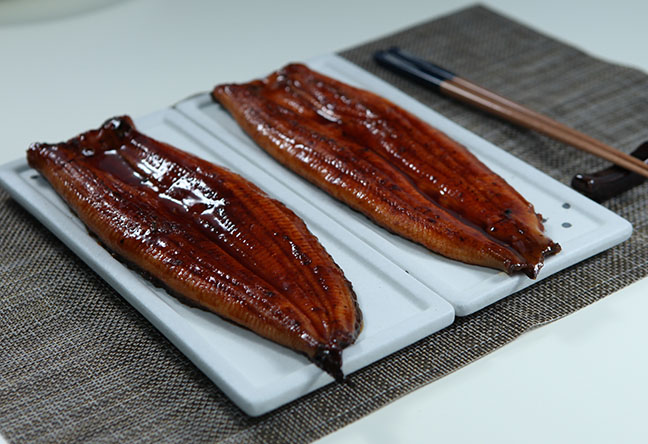
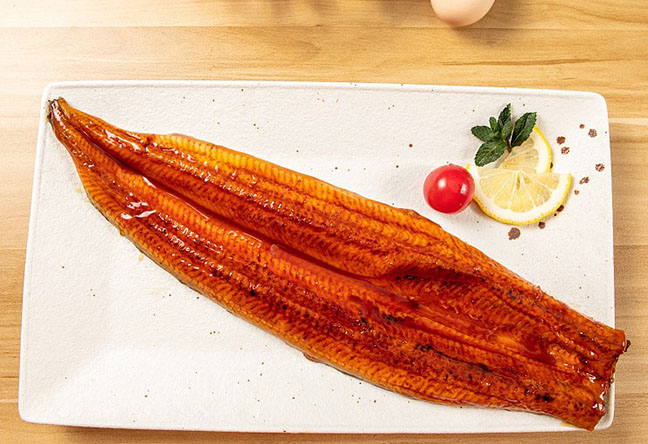
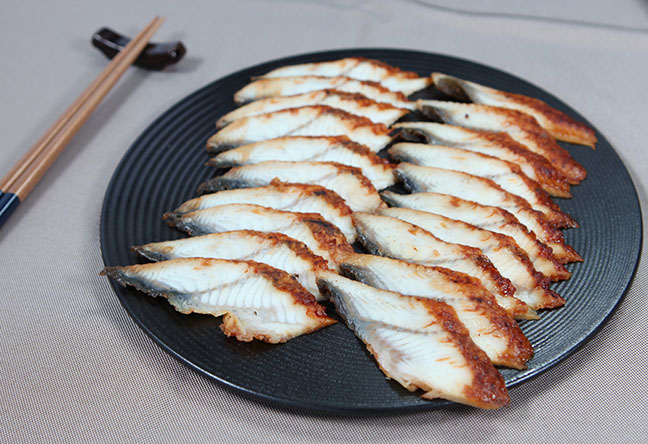
Unagi ramen is a Japanese-style noodle soup topped with grilled eel, most often prepared as kabayaki. The eel is split, deboned, grilled, brushed with a sweet soy-based sauce, then grilled again until the surface is glossy and lightly caramelized. It is cut into pieces or strips and arranged over hot ramen noodles.
The broth may be based on shoyu, miso, chicken stock, dashi, or tonkotsu. Each option creates a different balance in the bowl:
The dish is related to an eel ramen bowl, but its defining feature is cooked unagi as the main topping. It is not raw fish, and the eel should be heated through before serving.
Kabayaki works particularly well in noodle soup for three reasons. First, the soft, tender eel contrasts with springy ramen noodles. Second, its glaze brings sweetness, salt, and roasted notes to the bowl. Finally, frozen cooked eel can be portioned and reheated quickly, which helps restaurants deliver consistent service during busy periods.
Unagi also has more fat than many lean fish, giving the topping a rich, satisfying mouthfeel. Hot broth carries that flavor through the bowl, while scallions, nori, and a touch of citrus help keep the soup from becoming too heavy.
Add the eel near the end of preparation. Simmering it for too long can soften the surface and dilute the distinct kabayaki flavor. Heat the eel separately, then place it on top once the noodles and soup are already in the bowl.
In commercial kitchens, portion sizes can be adjusted for menu price and bowl format. A 100 g eel portion gives the dish a clear eel presence without making the soup too rich. For a more substantial specialty bowl, increase the portion to 120 to 150 g.
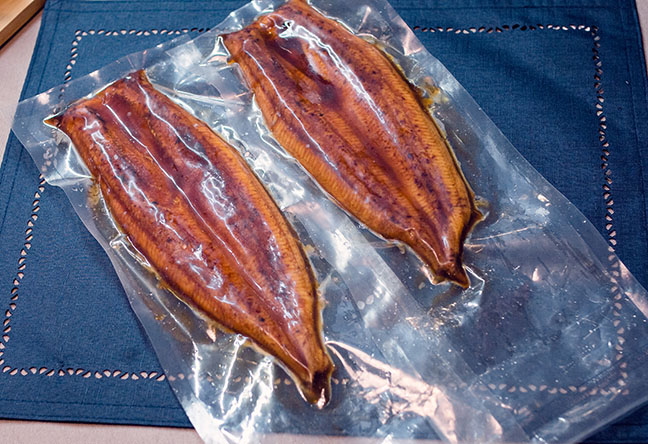
Our frozen unagi kabayaki is suitable for portioned service because the eel is already cooked and coated with sauce. Follow the storage and heating instructions for the specific product lot, and maintain the cold chain throughout transport and storage.
Start with the soft-boiled eggs. Place the eggs in boiling water and cook for about 6 to 7 minutes, depending on their size and starting temperature. Transfer them to ice water, peel carefully, and set aside.
Slice the scallions and cut the nori into thin strips. If using spinach or bok choy, blanch it briefly and drain it well. Any excess water can dilute the broth.
Remove the eel from its packaging and cut it into serving-size portions. Warm it according to the supplier’s instructions. A grill, toaster oven, salamander, or covered pan can all work, provided the eel reaches a safe serving temperature without drying out.
For a lightly caramelized finish, brush on a small amount of eel sauce during the final heating stage. Use it sparingly, since the broth will also bring salt and umami to the dish.
Combine the stock, shoyu, mirin, ginger, garlic, and a small amount of eel sauce in a saucepan. Heat until steaming, then taste before adding more seasoning. The soup should be slightly stronger than you would drink on its own because the noodles will absorb some of the flavor and salt.
A good starting point is 400 ml of broth per bowl. Restaurants may use 350 ml for a more concentrated presentation or 450 ml for a larger soup portion.
Cook the ramen noodles separately in unsalted boiling water. Fresh noodles often need only 1 to 2 minutes, while dried noodles may take longer. Check the package instructions and remove the noodles while they are still slightly firm.
Drain thoroughly. Water clinging to the noodles can weaken the broth and leave the finished bowl tasting flat.
Place the noodles in a warmed bowl and pour in the hot broth. Arrange the eel, egg, scallions, and nori on top. Finish with sesame seeds or shichimi, if desired. Serve immediately while the noodles still have their springy texture.
For restaurant service, consistency matters more than elaborate garnish. Standardize four key points: broth volume, eel weight, noodle cooking time, and the final amount of sauce.
A straightforward service plan is to prepare broth in batches, portion the eel before opening, and cook noodles to order. Keep the kabayaki refrigerated or frozen as required by the product specification. Reheat only the portion needed for each order.
Use a scale during recipe testing and service. If one bowl receives 90 g of eel and another gets 130 g, both food cost and the guest experience will vary. A written portion guide helps the kitchen maintain the intended balance every time.
Our article on eel recipes provides another preparation reference for soup-style dishes. You can adapt the broth and toppings to suit your menu while keeping eel as the central ingredient.
There is no single required broth for Japanese ramen with eel. The best version depends on your existing kitchen setup and the preferences of your customers.
This is often the easiest version to balance. Use chicken stock or dashi with soy sauce, ginger, and a small amount of mirin. The clear broth lets the kabayaki glaze stand out. Add yuzu zest or mitsuba for a fresh finish.
Miso adds body and works especially well during colder months. Use red or awase miso with dashi or chicken stock. Since miso is already salty, add eel sauce gradually. Corn, bean sprouts, and scallions all make suitable toppings.
A creamy pork broth creates a rich dish with strong restaurant appeal. Use less additional sauce and consider a smaller eel portion. Pickled ginger, nori, and sliced scallions provide welcome contrast.
For a thicker noodle option, replace ramen with udon. Eel udon has a softer, chewier bite and works particularly well with a lighter dashi-shoyu broth. Cut the kabayaki into wide strips so the topping remains easy to pick up with chopsticks.
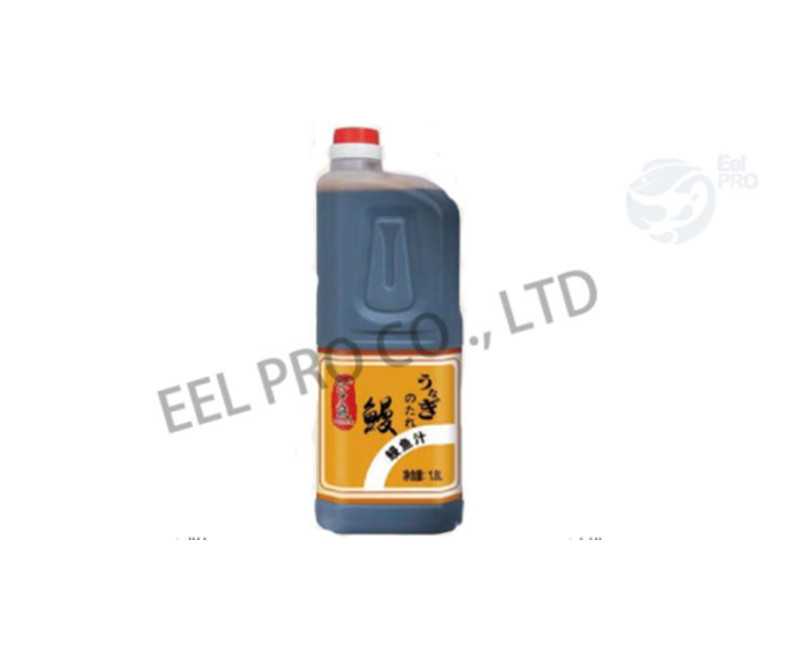
Eel sauce, also called unagi tare, typically contains soy sauce, sugar, mirin, and sometimes sake or other flavoring ingredients. It is designed to cling to grilled eel, so it is usually more concentrated than a standard soup seasoning.
Use it in only three places, if needed: on the eel during reheating, in a small amount in the broth, and as a final drizzle. Adding it at every stage can make the bowl overly sweet and salty.
For a deeper explanation of the sauce’s role, see our article about kabayaki sauce. When purchasing for foodservice, ask about pack sizes, ingredient specifications, shelf life, and storage conditions before placing an order.
A bowl of unagi ramen is filling on its own, though a few small side dishes can round out the meal. Japanese pickles, edamame, cucumber sunomono, and lightly seasoned spinach add freshness or acidity. Avoid pairing the ramen with another very sweet dish.
For a set menu, serve a smaller bowl with two pieces of eel, half an egg, and a side of pickles. For an à la carte specialty bowl, use a larger eel portion and add nori, bamboo shoots, and a seasoned egg.
The dish also works well as a limited-time menu item. This gives you an opportunity to test demand, portion sizes, and broth preferences before making it a permanent offering.
Use prepared ramen broth, cooked ramen noodles, warmed unagi kabayaki, a soft-boiled egg, scallions, and nori. Season the broth with shoyu and add one or two teaspoons of eel sauce. Assemble the noodles and soup first, then place the hot eel on top.
Use frozen cooked kabayaki. Thaw and heat it according to the package instructions, then slice it for serving. This method avoids the preparation required for raw freshwater eel while retaining the grilled, glazed flavor associated with kabayaki.
Japanese eel noodle soup can use shoyu, miso, dashi, chicken, or tonkotsu broth. A lighter shoyu or dashi broth is a practical starting point because it supports the eel without masking its flavor.
Yes. Udon creates a softer, thicker noodle dish and pairs well with dashi-based soup. Adjust the broth volume and cooking time according to the udon product you use.
Store it according to the supplier’s stated temperature and handling instructions. Keep frozen products frozen until planned use, prevent temperature abuse during thawing, and avoid repeatedly thawing and refreezing. Foodservice teams should also follow local food-safety requirements.
Unagi ramen offers a distinctive way to serve grilled eel with familiar ramen ingredients. With a controlled portion of kabayaki, balanced broth, and simple toppings, you can create a bowl that feels special without complicating the kitchen process.
Eelpro Co., LTD supplies frozen unagi kabayaki, eel sauce, freshwater eels, and frozen seafood for overseas buyers. Contact us to discuss product specifications, packing formats, and supply options for your restaurant, distribution business, or import program.
 WhatsApp
 sales@chinaeels.com
 +8619937922411