


Eel Recipes: 10 Flavor Pairings for Creative Menus
Eel recipes can go far beyond traditional kabayaki. With its rich, silky texture and sweet-savory glaze, unagi pairs well with citrus, fresh herbs, pickled vegetables, grains, noodles, and even fruit. For chefs, foodservice operators, and prepared-food planners, a thoughtful pairing can turn familiar eel into a standout menu item.
Freshwater eel has a naturally full, savory flavor. Kabayaki preparation adds a glossy sauce made with ingredients such as soy sauce, sugar, and mirin, so the supporting ingredients should bring contrast instead of piling on more sweetness or salt. The ten pairings below offer practical starting points for fresh eel menu ideas.

Why These Eel Flavor Combinations Work
Eel brings richness, mild sweetness, and a tender texture to the plate. Acid cuts through the fat, while fresh herbs brighten the flavor. Crisp vegetables add welcome contrast, and grains or noodles provide a neutral base that carries the sauce without competing with it.
Temperature matters as well. Warm kabayaki works naturally over rice, noodles, or mashed root vegetables. Chilled or room-temperature eel can fit sushi rolls, salads, rice paper wraps, and prepared bento meals. When developing eel recipes for commercial service, consider the complete bite, not just the eel itself.
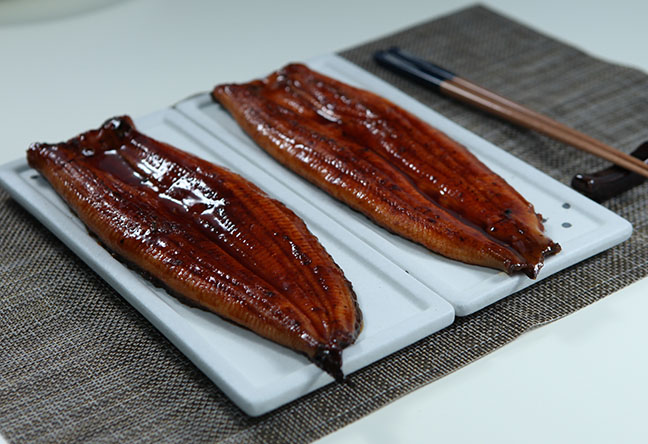
For reliable portioning, frozen unagi kabayaki gives kitchens a prepared eel component that can be thawed, heated, portioned, and finished with complementary ingredients. That makes it easier for a restaurant to test multiple dishes without changing its core preparation process.
10 Eel Recipe Ideas for Modern Menus
1. Eel and yuzu or lemon
Citrus is one of the easiest ways to lighten a rich eel dish. Yuzu brings a floral, aromatic edge, while lemon offers clean acidity and is widely available. Finish sliced kabayaki with yuzu kosho, lemon zest, or a few drops of juice just before serving.
Try this pairing in a rice bowl with scallions and toasted sesame. For catering or prepared-food service, hold the citrus garnish separately until service so the rice and eel keep their texture.
2. Eel and cucumber
Cucumber adds coolness and crunch. Japanese sunomono is a natural starting point: toss thin cucumber slices with rice vinegar, a small amount of sugar, and sesame seeds, then serve them alongside warm eel.
This combination suits sushi rolls, hand rolls, bento boxes, and small plates. The clean vegetable flavor also balances a generous brush of kabayaki sauce without making the dish feel heavy.
3. Eel and pickled vegetables
Pickled daikon, ginger, mustard greens, or red onion can cut through the richness of unagi. In most cases, one pickled element is enough unless the dish is meant to have a deliberately sharp profile.
A useful service format is a warm eel sandwich or bao with pickled daikon, shredded cabbage, and light mayonnaise. The tender eel contrasts with the crisp vegetables, while the pickle keeps the filling from becoming too sweet.
4. Eel and green herbs
Shiso, Thai basil, cilantro, mint, and chives each take eel in a different direction. Shiso keeps the profile close to Japanese cooking. Cilantro and mint lean toward Southeast Asian flavors, while chives add a gentle onion note without overwhelming the eel.
For one of the most adaptable unagi recipe pairings, layer chopped eel, steamed rice, herbs, and cucumber in a rice paper wrap. A little chili-lime dressing can replace traditional tare when a brighter, fresher profile is the goal.
5. Eel and avocado
Avocado shares eel’s creamy texture, though both ingredients are rich. Add acidity and crunch to keep the dish in balance. Lime, pickled ginger, toasted nori, cucumber, and radish all fit naturally here.
The pairing is familiar in sushi rolls, but it also works in a modern open-faced toast or grain bowl. Use thin slices of eel rather than a large portion, then finish with a sharper garnish such as lime zest or pickled chili.
6. Eel and tomato
Tomato contributes acidity, moisture, and gentle sweetness. A fresh tomato salsa with scallion and rice vinegar can accompany grilled eel, while roasted cherry tomatoes make a warmer, more concentrated garnish.
Tomato-and-eel pasta is another practical option. Toss noodles with olive oil, garlic, roasted tomato, and flakes of kabayaki. Add the eel at the end so it warms through without falling apart. It is an approachable way to introduce eel to guests who may not usually order Japanese dishes.
7. Eel and mushrooms
Shiitake, maitake, king oyster, and brown mushrooms bring earthy notes that complement eel’s savory side. Sauté the mushrooms separately to cook off excess moisture, then combine them with eel over rice or noodles.
Since mushrooms and eel both bring depth, keep the sauce restrained. A light brush of eel sauce may be all that is needed. Finish with scallions or grated ginger for a fresher note.
8. Eel and fermented ingredients
Kimchi, miso, black bean paste, and fermented chili sauces add acidity, salt, and umami. The key is restraint. A spoonful of kimchi or a little miso dressing can support the eel, but too much will bury its flavor.
For a Korean-inspired rice bowl, serve eel with kimchi, steamed rice, shredded nori, and a soft egg. For a Japanese-style dish, blend white miso with rice vinegar and a touch of citrus, then use it as a dressing for eel and roasted vegetables.
9. Eel and fruit
Fruit can make eel feel lighter and more seasonal. Mango, pear, apple, pineapple, and peach each offer a different balance of sweetness and acidity. Choose fruit firm enough to hold its shape on the plate.
Thinly sliced pear with shiso and eel makes a restrained appetizer. Mango, cucumber, and chili can anchor a taco or rice-paper wrap. When using sweeter fruit, reduce the kabayaki sauce so the finished dish does not become overly sugary.
10. Eel and spice
Fresh chili, sansho pepper, Sichuan pepper, smoked paprika, and black pepper all bring useful heat and aroma. Sansho is especially well suited to unagi because its citrus-like character lifts the eel without requiring a heavier sauce.
For a small plate, brush eel with tare, add a light dusting of sansho, and serve it with shredded cabbage. Chili crisp can also work on rice bowls, but use it as a finishing touch rather than the primary sauce.
How Can Restaurants Create Eel Recipes?
Start with one dependable eel portion and build several menu formats around it. The same kabayaki can appear in a rice bowl, sushi roll, noodle dish, and appetizer. Supporting ingredients change the identity of each dish while keeping purchasing and staff training manageable.
Then separate the flavor components:
- Base: rice, udon, soba, pasta, greens, or a steamed bun.
- Contrast: cucumber, cabbage, radish, pickled ginger, or fruit.
- Aroma: shiso, scallion, cilantro, sesame, nori, or sansho.
- Sauce: kabayaki tare, citrus dressing, miso sauce, or chili-lime sauce.
This approach helps menu planners create variety without introducing ten unrelated recipes to the kitchen. It also makes portion costs easier to evaluate. For preparation details, see our guide to eel recipes, including a noodle-soup format that can be adapted with mushrooms, greens, or citrus.
Balancing Sauce, Texture, and Service
Kabayaki sauce is concentrated, so apply it in layers. Brush on a small amount during reheating, then add a final touch at plating if needed. This gives the kitchen more control than soaking every component in tare.
Let texture guide the garnish. Soft eel and rice benefit from something crisp, such as cucumber, fried shallots, or toasted sesame. A noodle dish may call for leafy greens or mushrooms. A sushi roll can include avocado, but pickled ginger or citrus helps prevent an overly soft, rich mouthfeel.
If your team is developing a signature glaze, our article on kabayaki sauce explains how the sauce functions in an eel dish. Test every recipe after reheating, not only when the eel is freshly cooked. That is the condition guests will encounter during everyday service.
FAQ About Eel Recipes and Pairings
What flavors pair well with eel?
Citrus, vinegar, cucumber, pickled ginger, shiso, scallion, mushrooms, avocado, tomato, chili, and sansho all pair well with eel. Choose ingredients that add acidity, freshness, aroma, or crunch to balance its rich texture and sweet-savory sauce.
How can restaurants create eel recipes?
Restaurants can start with a consistent portion of frozen unagi kabayaki, then vary the base, garnish, and sauce. Rice bowls, noodles, sushi rolls, bao, salads, and small plates can share the same eel component while offering different flavor profiles. Test each dish for holding time, reheating, portion size, and final sauce intensity.
What ingredients complement unagi?
Ingredients that complement unagi include steamed rice, soba, udon, cucumber, daikon, avocado, mushrooms, tomato, shiso, nori, scallions, sesame, citrus, kimchi, and sansho pepper. The best choice depends on the intended menu style: clean and Japanese, spicy and fermented, or fresh and contemporary.
Can these eel recipes use frozen kabayaki?
Yes. Frozen kabayaki can be thawed and reheated according to the product specifications, then finished with the selected garnish or sauce. This format suits restaurants and prepared-food operations that need consistent portions and repeatable service.
Build Your Next Eel Menu
The best eel recipes let the main ingredient stand out while adding contrast to every bite. Begin with two or three pairings—citrus and cucumber, mushrooms and scallions, or kimchi and rice—then test them in the formats your customers already order.
Eelpro Co., LTD supplies frozen unagi kabayaki, eel sauce, freshwater eels, and frozen seafood for overseas buyers. Contact us to discuss product specifications and develop practical eel menu ideas for your restaurant or foodservice line.
[xss_clean] { "@context": "https://schema.org", "@type": "FAQPage", "mainEntity": [ { "@type": "Question", "name": "What flavors pair well with eel?", "acceptedAnswer": { "@type": "Answer", "text": "Citrus, vinegar, cucumber, pickled ginger, shiso, scallion, mushrooms, avocado, tomato, chili, and sansho all pair well with eel. These ingredients add acidity, freshness, aroma, or crunch to balance eel’s rich texture and sweet-savory sauce." } }, { "@type": "Question", "name": "How can restaurants create eel recipes?", "acceptedAnswer": { "@type": "Answer", "text": "Restaurants can start with a consistent portion of frozen unagi kabayaki, then vary the base, garnish, and sauce. Rice bowls, noodles, sushi rolls, bao, salads, and small plates can share the same eel component while offering different flavor profiles." } }, { "@type": "Question", "name": "What ingredients complement unagi?", "acceptedAnswer": { "@type": "Answer", "text": "Ingredients that complement unagi include steamed rice, soba, udon, cucumber, daikon, avocado, mushrooms, tomato, shiso, nori, scallions, sesame, citrus, kimchi, and sansho pepper." } }, { "@type": "Question", "name": "Can these eel recipes use frozen kabayaki?", "acceptedAnswer": { "@type": "Answer", "text": "Yes. Frozen kabayaki can be thawed and reheated according to the product specifications, then finished with a selected garnish or sauce. This format supports consistent portions and repeatable foodservice preparation." } } ] } [xss_clean]