


What is Kabayaki and How to Identify It for Import
For food importers and foodservice buyers, understanding product specifics is not just about flavor—it's about supply chain consistency, menu accuracy, and cost control. So, what is kabayaki? It is a traditional Japanese preparation method, most famously used for freshwater eel (unagi), where the fish is butterflied, deboned, skewered, and grilled. Unlike other grilled preparations, it is distinguished by a multi-layered glaze of a sweet soy-based sauce, known as tare, applied during the grilling process. This method creates a unique combination of savory, sweet, and smoky flavors with a tender, rich texture. For buyers, sourcing true unagi kabayaki means securing a product with specific visual and flavor characteristics that consumers expect.
At Eelpro, our entire process, from farm to finished product, is engineered to deliver authentic kabayaki that meets the stringent standards of markets like Japan, the US, and the European Union. This guide breaks down the key identifiers of kabayaki, our production standards, and what you should look for in a supplier.
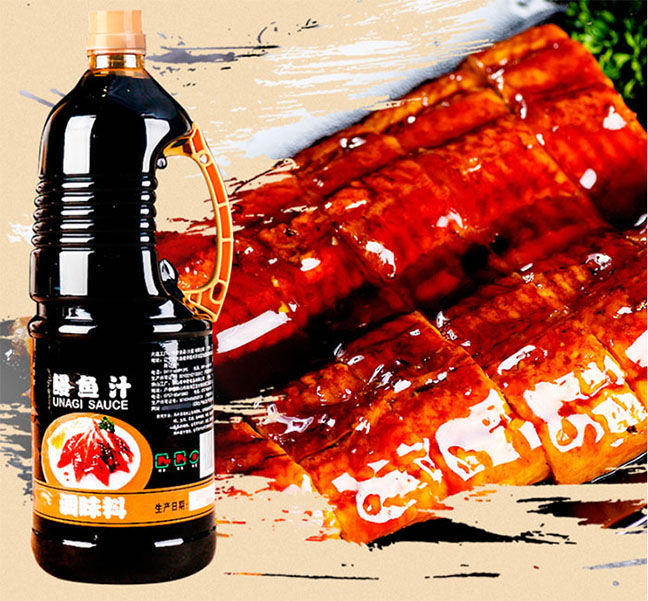
Kabayaki vs. Shirayaki: A Buyer's Guide to Visual and Flavor Cues
When sourcing grilled eel, buyers often encounter two terms: Kabayaki and Shirayaki. While both involve grilling eel, their preparation, appearance, and flavor profiles are fundamentally different. Misidentifying them can lead to incorrect menu descriptions and unmet customer expectations. This distinction is critical for importers supplying specific restaurant concepts or retail channels.
Here is a direct comparison to help you distinguish between the two preparations and make informed purchasing decisions.
| Feature | Kabayaki (Glazed & Grilled) | Shirayaki (Plain & Grilled) |
|---|---|---|
| Glaze / Sauce | Coated multiple times with a sweet and savory soy-based sauce (tare). The sauce caramelizes during grilling. | No glaze or sauce is applied. The eel is seasoned only with salt. |
| Appearance & Color | Deep, glossy, reddish-brown color from the caramelized soy sauce. The surface is shiny and smooth. | Pale, natural color of the cooked eel flesh, often with a slight golden tint from grilling. The surface is matte. |
| Flavor Profile | Complex, rich, and umami-forward with a distinct sweetness balancing the savory soy flavor. Smoky notes from the grill. | Subtle, clean, and delicate. The natural flavor of the high-quality eel is the main focus, with a hint of saltiness. |
| Cooking Process | The eel is typically grilled, then steamed to remove excess fat and create tenderness, then glazed and grilled again multiple times. | The eel is simply grilled, sometimes with a splash of sake to remove any fishiness, but never sauced. |
| Common Use Cases | Dominant preparation for unadon (eel rice bowls), sushi (unakyu maki), and as a standalone entree. Appeals to a broad palate. | Favored by connoisseurs who appreciate the pure taste of eel. Often served with wasabi and a light soy sauce for dipping. |
As an importer, your choice depends on your target market. Kabayaki has wider commercial appeal and is a staple in Japanese restaurants worldwide. Shirayaki caters to a niche, premium market. At Eelpro, our focus is on producing export-grade unagi kabayaki eel, perfecting the glazing process to ensure a consistent, high-quality product for our partners in Japan, the US, and Europe.
The Eelpro Kabayaki Production Standard: From Glaze to Cold Chain
Producing consistent, high-quality kabayaki at scale requires rigorous process control. Our facility, with an annual capacity of 4,000 tons, operates on principles that ensure every fillet meets export specifications. My role as Senior Food Safety & Quality Specialist involves overseeing these systems to guarantee compliance and product integrity for our clients.
Our process is built on a foundation of patented technology and precise, repeatable steps. It’s how we supply restaurant chains in Japan and food importers in Germany and Poland with a product they can trust.
Key Production Stages and Quality Controls:
- Patented Low-Fat Roasting: Before glazing, the eel undergoes a patented process that reduces excess fat. This prevents a greasy mouthfeel and allows the sauce to adhere better, resulting in a cleaner, richer flavor.
- 4-Layer Glazing Process: Authentic Kabayaki flavor is built in layers. We apply our signature eel sauce in four distinct stages, each at a controlled temperature. This method ensures deep flavor penetration without burning the sugars in the sauce. We have established internal color standards for "white-roasted" (pre-glaze) and each of the four soy-sauce coatings to guarantee visual consistency.
- Patented Deodorizing Technology: Freshwater eel can sometimes have an earthy taste. Our patented deodorizing equipment purifies the product, ensuring a clean flavor that allows the sweet and savory notes of the tare to shine.
- Rapid Freezing and Cold Storage: After grilling, the finished product is rapidly frozen to lock in freshness and texture. It is then moved to our 1,000-ton cold storage facility, maintaining the integrity of the product throughout the cold-chain logistics process until it is shipped.
This systematic approach, managed by our team of 25 technical and quality-control specialists, transforms high-quality raw materials into a standardized, ready-to-heat product. This reduces back-of-house labor for foodservice clients and ensures a reliable, delicious experience for the end consumer.
Sourcing Checklist for Kabayaki Importers
Placing an international order for frozen seafood comes with risks, from food safety compliance to supply chain reliability. A dependable supplier should provide clear documentation and transparent processes. Use this checklist to evaluate potential kabayaki suppliers and protect your business.
-
Verify International Certifications.
Does the supplier hold certifications recognized in your target market?
- Our Standard: Eelpro is certified under ISO 22000:2018 (Food Safety Management), HACCP, and HALAL. We hold an Export Food Producer Registration Certificate, essential for customs clearance, and our products meet the stringent food inspection standards for Japan, the US, and the EU. This directly addresses risks related to veterinary drug residues and microbiological contaminants.
-
Confirm Traceability from the Source.
Can the supplier trace the product back to its origin?
- Our Standard: We operate a full-chain traceability system. Our supply of over 5,000 tons of raw eel comes from 19 self-operated and cooperative customs-registered eel farming bases. This control from farm to shipment allows for targeted sampling, process verification, and complete accountability.
-
Assess Production Capacity and Lead Times.
Can the supplier handle your volume requirements and meet your timelines?
- Our Standard: Our two modern production lines have a 4,000-ton annual capacity. A typical order, from confirmation to shipment, takes approximately 30 days, though this is negotiable based on the order size and specifications. This capacity supports large-scale programs for foodservice chains and wholesale distributors.
-
Inquire About Customization and Packaging.
Can the product be customized to fit your specific needs?
- Our Standard: We offer custom cutting specifications, including shredding, dicing, chunk-cutting, and sushi slices. This value-added processing helps reduce labor costs in commercial kitchens. We also provide flexible packaging formats, from bulk foodservice packs to retail-ready skin-packaging and gift boxes.
-
Evaluate In-House Quality Control Infrastructure.
Does the supplier have internal systems to detect and prevent issues?
- Our Standard: Beyond certifications, we invest in our own quality infrastructure. This includes a professional in-house laboratory for routine testing and metal detectors at critical control points to prevent physical contamination.
Ensuring Compliance for Global Markets
For any B2B buyer, the biggest risk is a shipment being rejected at port due to non-compliance. It's a costly and damaging scenario. For over a decade, I've guided clients through the specific import requirements of different regions, ensuring our products clear customs without issue. Whether shipping to the United States, Australia, or countries within the European Union, our quality system is designed to meet or exceed local food safety laws.
We proactively test for veterinary drug residues and microbiological indicators to align with the standards of Japan, the US, and the EU. This preemptive approach means our clients can avoid trade risks and confidently place our products in their markets. This commitment to export-grade quality is the same standard we apply to all our products, including our diverse range of frozen seafood. It is the core of our promise as a leading unagi kabayaki manufacturer.
By partnering with a supplier who understands and documents compliance at every step, you secure not just a product, but peace of mind.
For detailed specifications on our frozen unagi kabayaki or to discuss your import requirements for your market, contact our export team to request a full product catalog and quote.