


What Is Kabayaki and Why the Process Defines Eel Quality
You've likely seen it on menus: Unagi Kabayaki. But for a foodservice buyer, distributor, or importer, understanding what is kabayaki goes beyond a simple definition. It isn't just a dish; it's a precise, multi-stage Japanese grilling method that dictates the final product's flavor, texture, and consistency. Getting the process right ensures a premium product that performs reliably in a commercial kitchen. Getting it wrong leads to inconsistent quality and sourcing risks.
Kabayaki is a technique where fish, most famously freshwater eel (unagi), is butterflied, deboned, skewered, and grilled. The key step is repeatedly dipping the eel in a sweet soy-based sauce, or tare, and grilling it to create a caramelized, savory glaze. At Eelpro, our entire production of frozen unagi kabayaki is built around perfecting this traditional method on a commercial scale, ensuring every fillet meets the exacting standards of our clients in Japan, the US, and the European Union.
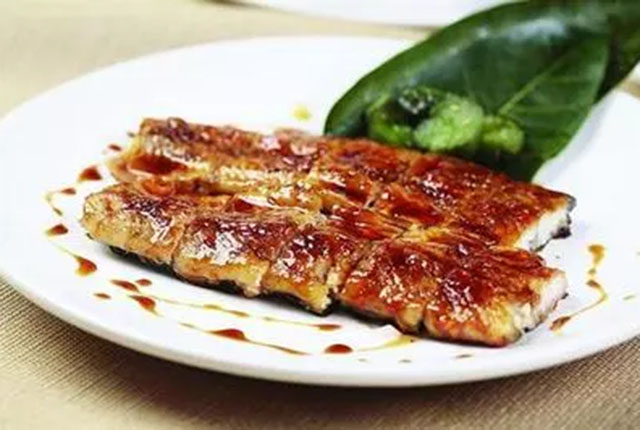
The Step-by-Step Kabayaki Preparation Method Explained
The quality of the final kabayaki product is determined long before it hits the grill. Every step in the preparation sequence is a critical control point that influences texture, taste, and safety. For B2B buyers, understanding this process helps in evaluating a supplier's capabilities and commitment to quality.
Here is a breakdown of the traditional method and how we manage it for large-scale production:
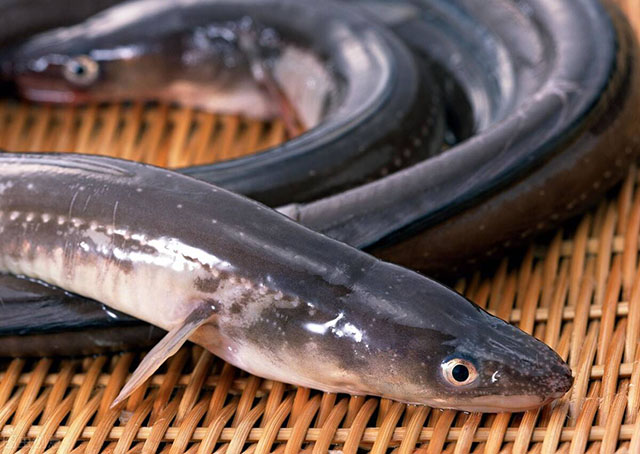
- Step 1: Live Eel Selection & Preparation. It starts with high-quality raw material. We source our eels from our network of approximately 20 customs-registered eel farming bases. The eels are held in clean water to purge any impurities before processing, which is a vital step for a clean flavor profile.
- Step 2: Butterflying & Deboning. The eel is expertly cut, butterflied, and deboned. This is a highly technical skill. Incomplete deboning is a major quality failure, leading to poor customer experience. Our standardized process and trained personnel ensure that every fillet is virtually boneless, a key requirement for foodservice clients who need ready-to-use products.
- Step 3: Skewering & Initial Grilling (Shirayaki). The fillets are skewered to keep them flat and then grilled without any sauce. This initial grilling, known as shirayaki, is critical for rendering excess fat. This step is enhanced by our patented low-fat roasting technology, resulting in a cleaner taste and better texture.
- Step 4: Steaming. After the first grill, the eel is steamed. This step tenderizes the meat, giving it a soft, melt-in-the-mouth quality that is highly prized. The duration and temperature are precisely controlled to achieve the perfect texture without making the fillet fall apart.
- Step 5: Glazing & Final Grilling. This is the heart of the kabayaki method. The eel is dipped into our proprietary eel sauce (unagi tare) and returned to the grill. This process is repeated four times. We have established internal standards for a '1st-through-4th soy-sauce coating color' to guarantee a consistent, rich, and deeply caramelized finish. Our temperature-controlled steps ensure the glaze doesn't burn, creating a perfect balance of sweet and savory flavors.
- Step 6: Quick-Freezing. Immediately after grilling and cooling, the finished product is quick-frozen to lock in freshness, flavor, and texture. It is then moved to our 1,000-ton cold storage facility to await shipment, ensuring stable cold-chain logistics.
Traceability and Certifications: Your Shield Against Import Risks
Sourcing eel products for international markets like the EU, Japan, or the US involves significant regulatory hurdles. A supplier's documentation and traceability system can be the difference between a smooth customs clearance and a costly, delayed, or rejected shipment. We built our system to mitigate these risks for our partners.
Our quality assurance framework is founded on full-chain control. This begins at our ~20 customs-registered eel farming bases, covering over 2,150 mu. We don't just buy raw materials; we manage the entire lifecycle:
- Farming Registration & Process Verification: Each farm adheres to strict protocols registered with customs authorities.
- Targeted Sampling: We conduct regular, targeted sampling of water, feed, and eels to test for veterinary drug residues and other contaminants.
- In-House Laboratory: Our professional eel lab and team of 25 quality-control specialists perform rigorous checks, ensuring products meet Japan, US, and EU food inspection standards.
- Traceability Tracking: A complete record follows each batch from the farm, through our two modern production lines, to the final packaged product, enabling full traceability.
This system is validated by our internationally recognized certifications, which provide verifiable proof of our commitment to food safety and quality management.
Eelpro's Core Certifications:
- ISO 22000:2018: A food safety management system that demonstrates our ability to control food safety hazards.
- HACCP: A systematic preventive approach to food safety from biological, chemical, and physical hazards in production processes.
- HALAL: Certification that our products are permissible under Islamic law.
- Export Food Producer Registration Certificate: Official registration authorizing us to export food products.
For our clients in Germany, Poland, and across the EU, these certifications are not just paperwork—they are an assurance that our products will meet the stringent veterinary drug residue and microbiological indicator requirements, preventing trade complications.
A Buyer's Checklist for Sourcing Frozen Unagi Kabayaki
When evaluating suppliers for frozen unagi kabayaki, focusing on the right specifications is key to ensuring the product meets your needs, whether for restaurant chains, wholesale, or retail. Use this checklist during your sourcing process to compare potential partners.
| Specification | What to Look For | Why It Matters |
|---|---|---|
| Production Capacity | Does the supplier have the capacity to handle your volume consistently? Look for stated annual tonnage. | A supplier with insufficient capacity (we have a 4,000-ton annual capacity) can lead to stockouts and inconsistent delivery, disrupting your supply chain. |
| Glaze & Roasting Process | Inquire about their glazing process. How many layers? Are there color standards? Do they use specialized technology? | Our 4-layer glazing process and patented low-fat roasting and deodorizing equipment ensure a consistent, non-greasy, and authentic flavor profile batch after batch. |
| Customization Options | Can the supplier provide custom cuts and packaging? (e.g., shredding, dicing, sushi slices, skin-packaging) | Standardized, pre-portioned cuts reduce back-of-house labor costs for foodservice clients and offer unique product formats for retail. |
| Traceability & Food Safety | Ask for proof of certifications (ISO 22000, HACCP) and details on their farm-to-fork traceability system. | Verifiable traceability is non-negotiable for avoiding import rejections due to food safety violations (e.g., drug residues). |
| Logistics & Storage | Does the supplier have their own cold storage facilities and experience with cold-chain logistics? | An integrated cold chain, like our 1,000-ton cold storage facility, protects product integrity from the factory to the port of destination. |
By asking these questions, you move beyond price and evaluate a supplier's ability to be a reliable, long-term partner. Our experience supplying demanding markets in Japan, Australia, and Indonesia has been built on excelling in these five areas. We offer differentiated MOQ policies for different client types, which can be negotiated based on your specific product and packaging needs.
This detailed approach to production and quality control is why restaurant chains and food importers in the United States and Southeast Asia trust us as their unagi kabayaki manufacturer.
For more ideas on how to use unagi kabayaki, explore our guide to making eel sushi rolls.
If you require specific cuts or packaging formats for your unagi kabayaki products, contact our specialists to discuss your requirements and receive a customized quote.