


Unagi and Anago Differ in Fat, Texture, and Cooking Method More Than People Expect
A line cook pulls anago out of the freezer, expecting it to behave like unagi on the grill. Thirty seconds later, the flesh falls apart and the glaze won't set. This happens on menus every week. The confusion between unagi and anago costs kitchens time, product, and sometimes a customer complaint. The two eels look related on a photo, but they come from different biology, different fat profiles, and completely different roasting rules.
This guide breaks down what actually changes on the grill, where buyers get it wrong, and how to decide which eel fits a given menu or export order.
What Actually Separates Unagi from Anago
Unagi refers to freshwater eel, mostly Anguilla japonica or related freshwater species raised in ponds or farms. Anago is a saltwater conger eel, caught wild in coastal waters rather than farmed. That's the species difference most guides stop at — but habitat alone doesn't tell a chef anything useful about how the two cook.
What matters on the production line and in the kitchen is fat distribution. Unagi carries fat in thick layers under the skin and through the flesh, built up over months of farming on a controlled feed. Anago carries much less fat and a leaner, more open muscle structure, shaped by a wild diet and constant swimming. That single difference drives almost everything else — roasting time, sauce absorption, and how the finished piece holds together.
Comparison of Fat Content, Flesh Texture, and Traditional Cooking Methods
Habitat tells you where the eel lived. It doesn't tell you how it behaves on a skewer. The table below compares the parameters that actually matter for menu planning and export spec sheets.
| Parameter | Unagi (freshwater eel) | Anago (saltwater conger) |
|---|---|---|
| Fat content | High — thick subcutaneous fat layer, richer mouthfeel | Low — lean flesh, lighter finish |
| Flesh texture | Dense, firm, holds shape through double-grilling | Soft, delicate, breaks apart if overcooked |
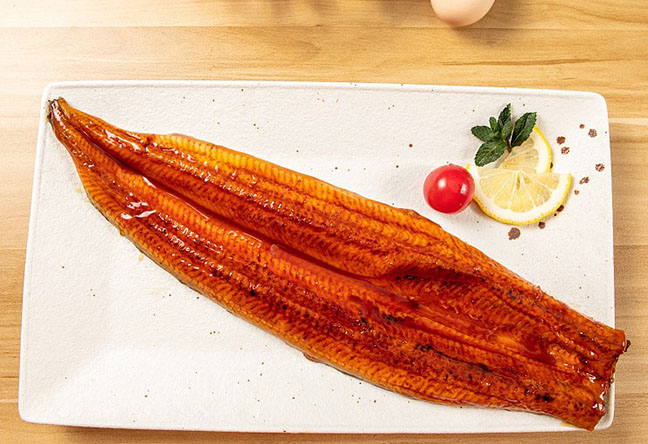
| Traditional cooking method | Kabayaki — steamed, then grilled with a 4-layer soy-sauce basting process | Lightly grilled or simmered, often served without heavy sauce layering |
| Sauce behavior | Fat helps the sauce caramelize into a glossy coat | Low fat means sauce can scorch before it sets |
| Best heat approach | Medium-high, repeated basting, tolerates reheating | Short, gentle heat; one pass only |
Here's what this means in practice. If a kitchen applies the same roasting schedule used for unagi to an anago fillet, the lean flesh dries out and the sauce burns before the surface browns. If a buyer sources anago expecting the same shelf-stability and reheat tolerance as frozen kabayaki, the product will underperform in a steam table or microwave reheat station. The fat layer in unagi is not just a flavor trait — it's what makes the frozen unagi kabayaki format forgiving enough for mass foodservice use.
Common Mistakes When Buyers and Kitchens Mix Up the Two
These are the recurring errors we see from import inquiries and kitchen complaints:
- Treating anago as a cheaper substitute for unagi on a donburi bowl. The texture collapse is noticeable to anyone who's had both, and repeat customers will notice too.
- Applying unagi's soy-sauce coating process to anago. The 4-layer basting standard built for high-fat flesh will over-reduce on lean flesh and taste bitter.
- Assuming both freeze and reheat the same way. Unagi's fat content protects it through freeze-thaw cycles better than anago's leaner flesh, which can turn mushy after a second thaw.
- Buying anago for sushi applications expecting unagi-level richness. Anago is traditionally the lighter, more delicate choice — it's not a downgrade, it's a different dish.
- Ignoring sourcing documentation. Wild-caught anago volumes fluctuate with season and region; buyers planning steady menu volume should confirm supply consistency before committing to a recipe built around it.
Matching Each Eel to the Right Menu or Order
Use this checklist before placing a product spec or RFQ:
- Need a rich, sauce-forward dish that holds up through reheating (donburi, bento, catering trays)? Unagi kabayaki is the safer base.
- Need a lighter, more delicate item for sushi counters or tempura plates? Anago fits better, with gentler seasoning.
- Running a high-volume foodservice program with back-of-house labor limits? Boneless, pre-cut kabayaki formats reduce prep time — ask about cutting specs like strip-cutting or sushi slices.
- Exporting to markets with strict veterinary drug residue limits (Japan, US, EU)? Confirm the supplier's lab testing and certification scope before ordering, since farmed and wild product carry different inspection profiles.
- Building a menu around eel sauce as a signature glaze? The sauce was developed around unagi's fat content — test it on anago in small batches first, since the coating may behave differently.
How Sourcing and Processing Affect the Final Texture
Texture on the plate starts well before the grill. At Eelpro, our roasting process for frozen unagi kabayaki uses 4 precise layers of soy-sauce coating with temperature-controlled steps, built specifically around the fat profile of farmed freshwater eel. Raw material comes from 19 self-operated and cooperative certified farming bases, supplying more than 5,000 tons of eel annually, which keeps fat content and flesh density consistent batch to batch — something wild-caught anago, by nature, cannot guarantee in the same way.
Production runs through 2 modern lines rated for 4,000 tons of finished product a year, with a 1,000-ton cold storage facility to keep texture stable through the cold chain. Every batch passes through an in-house laboratory and metal detectors at critical control points, under ISO 22000:2018 and HACCP systems, with HALAL certification and export food producer registration in place. For buyers shipping to Japan, the US, or the EU, products are built to meet veterinary drug residue and microbiological standards in those markets — which matters more for traceability on farmed unagi than it typically does for wild anago, given the farming-to-shipment documentation involved.
If a kitchen is deciding between the two for a new menu item, it helps to taste both side by side before locking a recipe. A kabayaki sauce built for high-fat flesh won't automatically translate to a lean conger fillet, and testing it in small batches avoids a costly reprint of menu cards later.
Where This Applies — and Where It Doesn't
This comparison holds for standard kabayaki-style preparation and foodservice reheating. It does not apply if a kitchen is building a dish specifically around anago's lightness — in that case, the "lower fat" trait isn't a limitation, it's the point. Likewise, unagi's density is a disadvantage, not a benefit, for delicate raw or lightly seared presentations where anago's softer bite is preferred. Choosing between unagi and anago isn't about which eel is better — it's about which fat and texture profile the dish actually calls for.
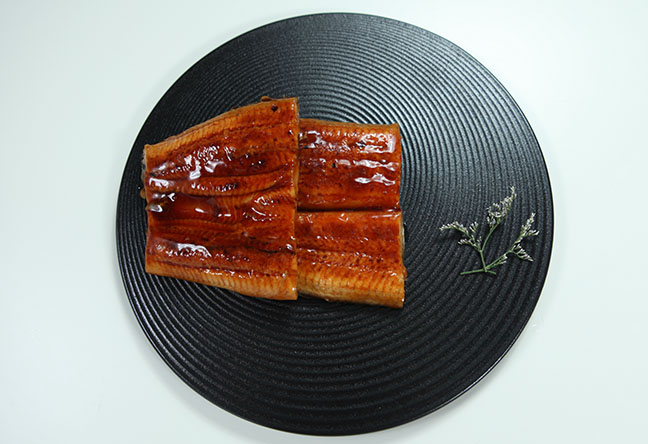
For kitchens standardizing on boneless cuts, Eelpro's frozen eel supplier line offers custom cutting specs — dicing, strip-cutting, chunk-cutting, and sushi slices — built around the same fat and texture profile discussed above. Menu teams exploring flavor pairings can also check eel recipes with 10 flavor pairings for menus for ideas that suit richer, sauce-forward unagi dishes.
If you're sourcing for a specific menu application or export order, request a sample pack and spec sheet to compare fat content and texture directly before committing to a full production run.