





Your eel is grilled, glossy, and nearly ready for the rice bowl. Then you taste the sauce and something is off: too sweet, too salty, bitter, or as thin as tea. There is no need to discard the whole batch. This kabayaki sauce recipe explains how to fix common problems and make a more balanced glaze next time.
Kabayaki sauce, also known as unagi tare, should be balanced rather than intensely sweet or salty. It needs enough body to cling to grilled eel while remaining fluid enough to spread over warm rice. A well-made batch has a deep soy aroma, gentle sweetness, and a clean savory finish.

Before you fix a sauce, it helps to know what you are aiming for. Traditional Japanese eel sauce is generally made with soy sauce, mirin, sake, and sugar. Some commercial formulas use corn syrup, caramel coloring, or flavor enhancers to keep results consistent in large-scale production. Recipes vary, but the basic cooking principles remain the same.
The ideal kabayaki sauce consistency depends on how you plan to use it. For brushing eel during grilling, a slightly thinner sauce is easier to layer on in several coats. For drizzling over unagi don, a medium-thick sauce is usually better. In foodservice kitchens, it is common to keep one base sauce, then adjust small portions for rice bowls, sushi, noodles, or seafood dishes.
This homemade kabayaki sauce makes approximately **250 ml**. It is enough for **4 to 6 eel portions**, depending on how generously each fillet is brushed.
For a more detailed look at the role of tare in grilled eel dishes, read Eelpro’s guide to kabayaki sauce. If you are preparing a full meal, this sauce also works with grilled chicken, tofu, mushrooms, eel rice bowls, and an unagi glaze recipe for noodles.
Excessive sweetness usually comes from too much sugar, a very sweet mirin, or over-reduction. It can also happen when you taste the sauce while it is very hot. Once the sauce cools and concentrates, the sweetness becomes more noticeable.
Do not add a large amount of vinegar to counter sweetness. A tiny drop of rice vinegar can brighten a heavy sauce, but too much makes it sharp and distracts from the flavor of the eel. For a restaurant batch, correct a **100 ml test portion** first. Once the balance is right, use the same ratio for the full container.
This is one of the most common issues with Japanese eel sauce. Typical causes include high-sodium soy sauce, too little mirin, or reducing the sauce for too long. Salt does not evaporate as water does, so a sauce can taste dramatically saltier after it has reduced by half.
For a small batch, add **1 tablespoon mirin or water** at a time. Taste after every addition. If the sauce becomes too thin, simmer it gently for **1 to 2 minutes**, then let it cool before judging the final flavor.
Another option is to blend the salty sauce with an unsalted base. Combine equal parts salty sauce and a fresh mixture of mirin, sake, and sugar. This approach takes a little longer, but it preserves the original aroma better than simply adding water.
When buying ingredients, check the soy sauce label. Dark soy sauce can create a rich color, but it may overpower a delicate eel fillet. For foodservice use, record the brand, sodium level, and reduction time in each batch log. A simple note like this can prevent the same mistake in the next production run.
Bitterness usually points to burnt sugar, scorched sauce, charred ginger, or over-reduction. Start by smelling the batch. If it smells like burnt caramel or contains black particles, do not scrape the bottom of the saucepan. That will carry the bitter residue into the sauce you can still save.
Pour the sauce carefully into a clean pan, leaving the dark residue behind. Add **1 to 2 tablespoons mirin** and **1 teaspoon sugar**. Warm it over low heat for **2 to 4 minutes**, then cool a spoonful before tasting.
If the bitterness is mild, this can rescue the batch. If it remains strong, start over. No ingredient can completely hide badly burnt sugar, and a fresh sauce costs less than a tray of ruined eel.
Avoid high heat above a lively simmer. Sugar can scorch quickly as the liquid level drops. This is especially important when using a wide saucepan, where evaporation happens faster.
A thin sauce is not always a failure. Some kitchens prefer a pourable glaze for brushing. If you need more body, use a controlled method instead of boiling the sauce aggressively.
Transfer the sauce to a small, narrow saucepan. Simmer over low heat for **3 to 6 minutes**, stirring occasionally. Stop when the sauce coats a spoon. It will thicken further as it cools, so do not wait for a jam-like texture while it is still on the stove.
For a quick foodservice correction, mix **½ teaspoon potato starch or cornstarch** with **1 teaspoon cold water**. Add it to **250 ml sauce**, whisking constantly. Heat for **30 to 60 seconds** until lightly thickened.
Use very little starch. Too much creates a cloudy, pudding-like texture that does not look natural on eel. Potato starch gives a glossy finish, while cornstarch produces a slightly firmer coating.
Place **½ teaspoon sauce** on a cold plate and wait **30 seconds**. Tilt the plate. If the sauce moves slowly and leaves a clear trail, it is close to serving consistency. This simple test is more reliable than judging sauce while it is boiling.

A flat sauce may need more aroma rather than more salt. Add a small amount of mirin, a splash of sake, or a few drops of toasted sesame oil. Keep sesame oil minimal; **⅛ teaspoon per 250 ml** is usually enough. Fresh ginger can add warmth, but remove it before storage.
A strong alcohol note usually means the sake or mirin was not heated long enough. Simmer gently for **2 to 3 minutes**. If the sharpness comes from too much soy sauce, dilute with mirin and water, then adjust the sweetness gradually.
Dark color does not always mean poor flavor. However, black-brown sauce with a burnt aroma has gone too far. For a lighter finish, use regular soy sauce rather than dark soy sauce and stop reducing when the liquid has fallen by about **20 to 30 percent**.
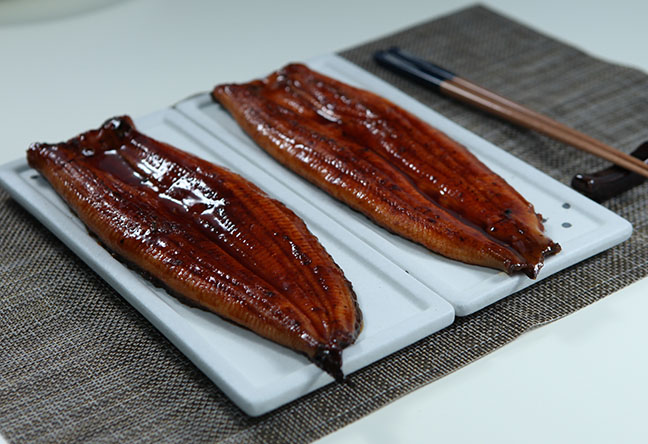
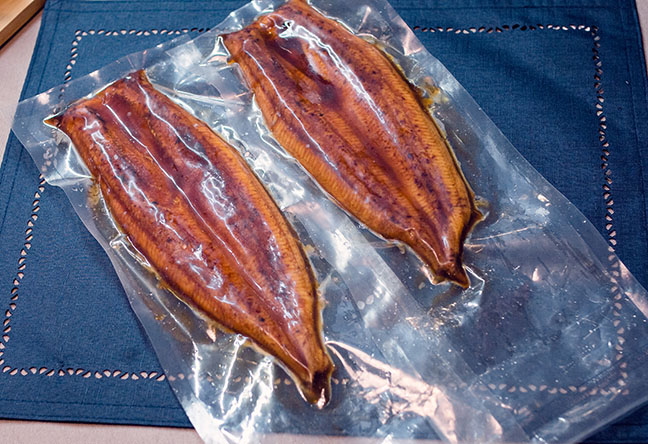
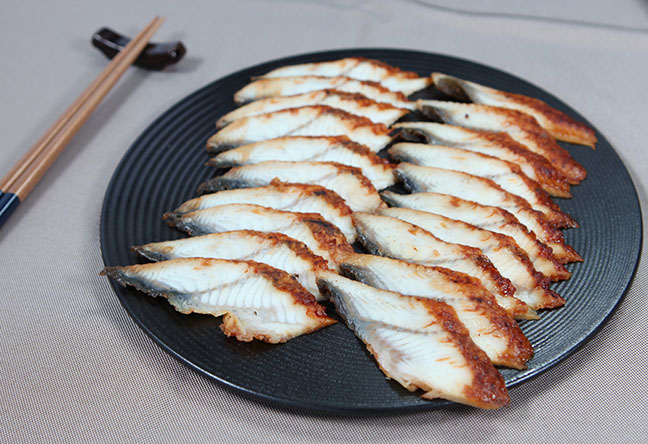
Frozen eel is a practical option for home cooks, restaurants, and importers because portion sizes and preparation are easier to manage. Many frozen kabayaki products are already cooked, so the goal is to heat the eel gently and refresh the glaze without drying out the fillet.
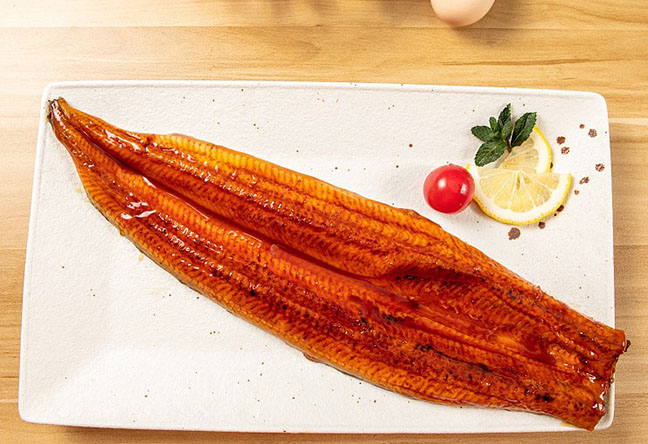
Do not drown the fillet in sauce before heating. Too much sauce can burn on the surface while the center remains cold. Eelpro’s frozen unagi kabayaki can be served with steamed rice, shredded nori, kinshi tamago, or a small bowl of miso soup.
For buyers comparing suppliers, check the fillet weight, glaze percentage, packing format, cold-chain conditions, and cooking instructions. A restaurant may need **100 to 150 g portions**, while retail packs often suit smaller household servings. Request product specifications before placing a large order.
Small recipe changes can create major flavor differences when a kitchen produces **20 or 50 liters** of sauce. We recommend weighing sugar instead of using cups, measuring the final yield, and recording the simmer time for every batch.
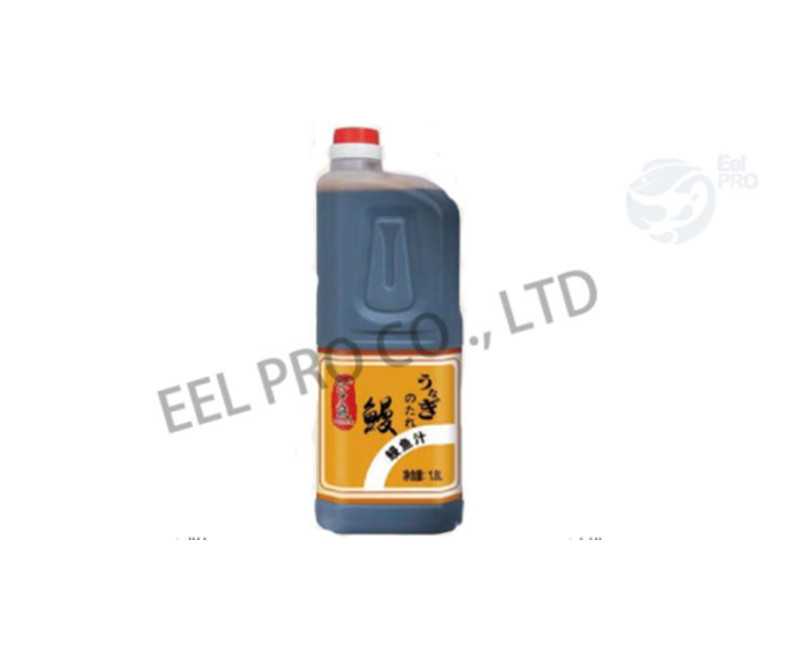
For export buyers, a ready-made eel sauce can help maintain the same flavor from one shipment to the next. It also reduces labor during busy service. Ask about packaging sizes, private-label options, shelf life, and storage requirements before selecting a sauce for your menu.
Cold fact: kabayaki sauce often tastes saltier and sweeter after it cools because the water is no longer diluting the dissolved ingredients on your palate. Always judge the final flavor at the temperature at which customers will eat it.
Pitfall guide: never taste directly from a brush that has touched hot eel. Spoon a small amount of sauce into a clean spoon instead. This avoids contamination and gives you a more accurate flavor check.
Another useful habit is brushing in thin layers. Three light coats create a brighter shine and deeper roasted flavor than one heavy coat. Add the final coat near the end of grilling, when the heat can caramelize the surface without burning the sauce.
Yes. Replace the sake with an equal amount of water, or use extra mirin for a sweeter result. The flavor will be less fragrant, but the sauce can still work well with eel, tofu, mushrooms, and grilled chicken.
Store cooled sauce in a clean, sealed container in the refrigerator. For best quality, use it within **7 to 10 days** unless your tested food-safety procedure allows a longer period. Discard it if you notice mold, fermentation, an unusual smell, or a swollen container.
Yes. Brush it on salmon, shrimp, chicken thighs, eggplant, or grilled rice balls. A small amount also works in an eel noodle soup. For another serving idea, see Eelpro’s eel recipes.
It can be used warm or at room temperature. Warm sauce spreads easily and gives a glossy finish, while cooled sauce is thicker and better for drizzling. Avoid boiling it just before serving because the sugar may scorch.
A successful sauce is less about one secret ingredient than careful control. Measure accurately, simmer gently, and taste after cooling. Before changing an entire batch, adjust a small portion first.
When you need dependable portions for home cooking, restaurants, or overseas foodservice, Eelpro Co., LTD supplies frozen unagi kabayaki, eel sauce, frozen seafood, and freshwater eels. Explore the product range, test a few serving ideas, and share your preferred sauce adjustment in the comments. Is your ideal glaze sweeter, darker, or more savory?
 WhatsApp
 sales@chinaeels.com
 +8619937922411