

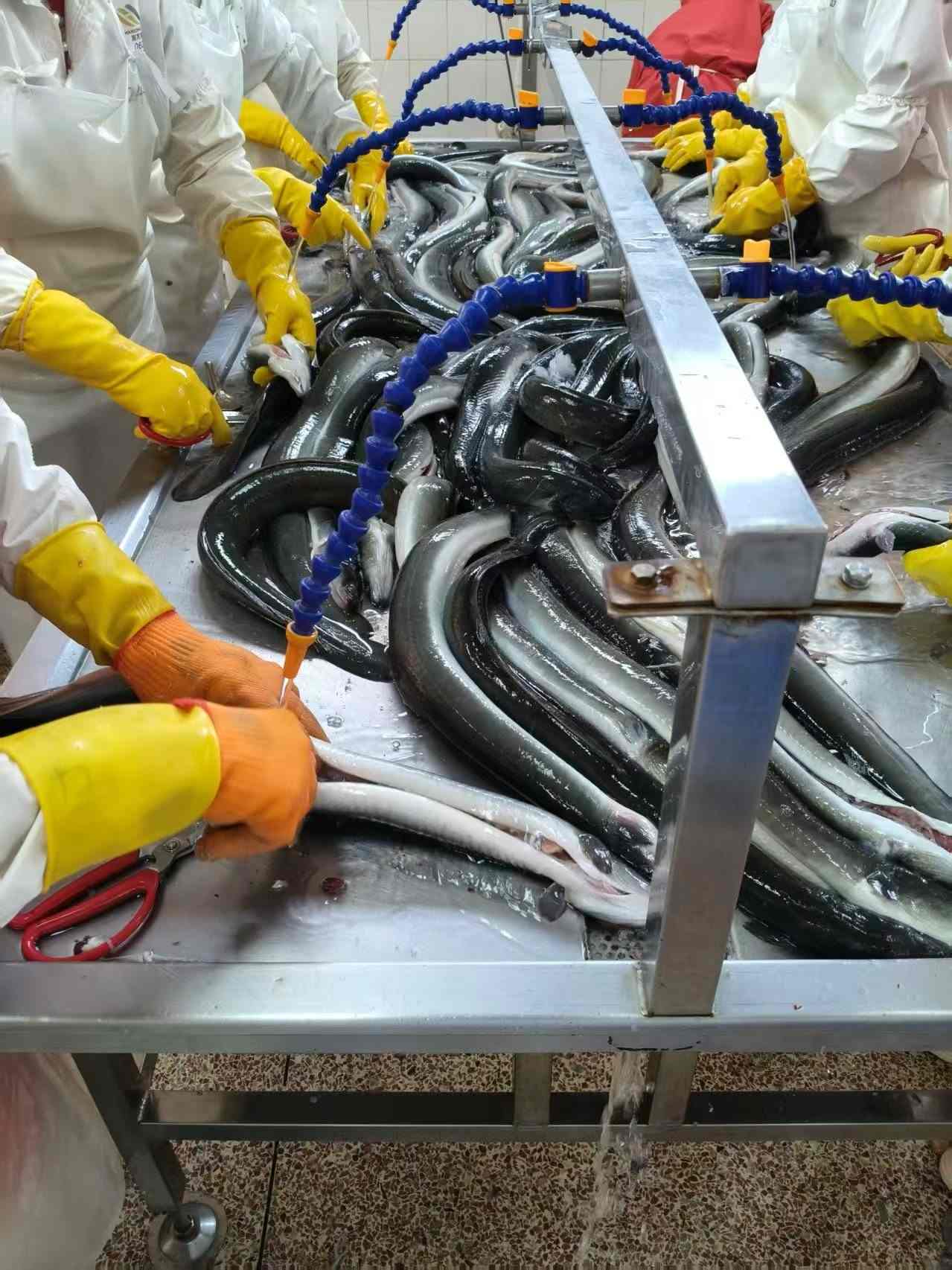
Eel Nutritional Benefits Change Dramatically Depending on Serving Size and Cooking Method
A buyer asked us last month why two "unagi" spec sheets from different suppliers listed sodium numbers 300mg apart. Same fish, wildly different numbers. The answer wasn't fraud — it was cooking method. Raw eel, grilled eel, and kabayaki-style eel with soy glaze are nutritionally different products, even though they start from the same freshwater eel. If you're sourcing for a menu or writing nutrition labels for import, understanding eel nutritional benefits by preparation type isn't optional — it's the difference between accurate labeling and a compliance headache.
This matters more for export-facing menus and packaged goods because Japan, the US, and the EU each have different rules on how sodium, fat, and calorie values must be disclosed. Get the base numbers wrong and you're reprinting labels or facing customs questions later.
Why Cooking Method Changes the Nutrition Profile So Much
Eel is naturally high in fat compared to lean whitefish — that's part of what makes it rich and satisfying. But the way you cook it decides how much of that fat stays, how much moisture is lost, and how much sodium gets added through sauce.
- Raw eel — baseline fat and protein, no added sodium, but rarely served this way due to blood toxin concerns in raw freshwater eel (unlike sea eel/conger, common eel blood contains a toxin neutralized by cooking).
- Grilled/roasted (shirayaki, "white-roasted") — no sauce, moderate fat retention, very low sodium. This is the base product before any soy glazing.
- Kabayaki — grilled then coated in soy-mirin glaze across multiple passes. Calories and sodium rise noticeably per serving because of sugar and soy reduction clinging to the surface.
- Smoked — lower moisture, concentrated fat and protein per gram, plus sodium from the curing step before smoking.
If a spec sheet doesn't say which of these four states the number reflects, don't accept it. Ask the supplier directly — this is a common gap we've seen in RFQ documents.
Eel Nutrition Facts by Preparation — Serving Size, Calories, Fat, Sodium, Vitamins
Here is a practical comparison based on a standard 100g cooked serving — the size most food labeling systems and USDA-style databases use as a reference point. Actual values shift with eel size, fat content of the farming batch, and glaze recipe, but this gives buyers a working framework.
| Preparation | Typical serving | Calories (approx.) | Fat (g) | Sodium (mg) | Notable vitamins |
|---|---|---|---|---|---|
| Raw (reference only, not for retail sale) | 100g | ~185 | ~11 | ~40 | Vitamin A, B12, D — highest in raw state before heat loss |
| Grilled / white-roasted (no sauce) | 100g | ~235 | ~15 | ~55 | B12, Vitamin A retained well; some D loss from heat |
| Kabayaki (soy-glazed, 4-layer coating) | 100g (approx. 1 fillet) | ~285 | ~17 | ~680 | B12, A; vitamin retention similar to grilled, sodium far higher from glaze |
| Smoked | 85–100g | ~330 | ~24 | ~420 | B12 concentrated; some thiamine loss from smoking heat |
What actually matters in practice for a menu planner or importer:
- Sodium jump from grilled to kabayaki is the biggest labeling risk. A soy-glazed fillet can carry 10x more sodium than the same fish grilled plain. If your target market has sodium warning thresholds (common in Australia and parts of the EU), this determines which product code you should be importing.
- Fat content affects portioning, not just health messaging. Higher-fat smoked eel is more filling per gram — useful for reducing portion sizes on a fixed-cost menu, but it also means faster oxidation if cold storage isn't tight. This is why cold-chain consistency (we run a 1,000-ton cold storage facility precisely for this reason) matters more for fattier cuts.
- Vitamin retention drops with every additional heat pass. Kabayaki involves grilling, steaming (in the Kanto-style method), then re-grilling with sauce — three heat exposures. Buyers expecting raw-fish-level vitamin D in a finished kabayaki product will be disappointed; that's simply not how the chemistry works.
Common Mistakes Buyers Make When Reading Eel Nutrition Labels
- Assuming "eel" nutrition data applies uniformly. Freshwater eel (unagi) and saltwater conger (anago) have different fat profiles. Mixing up the two on a spec sheet is a frequent sourcing mistake.
- Ignoring glaze weight in serving size. Some suppliers weigh the fillet before glazing, understating true calories and sodium per serving. Always ask if the stated weight is pre- or post-glaze.
- Comparing raw fish databases to cooked import products. USDA raw-eel data is a reasonable starting reference, but it's not a substitute for testing your actual finished kabayaki batch, especially for sodium claims on packaging.
- Overlooking veterinary drug residue testing. Nutrition value means little if the batch fails residue screening for the destination market. This is separate from the nutrition panel but often confused with "quality" in buyer conversations.
A Practical Sourcing Checklist Before You Commit to a Spec
- Confirm whether nutrition data is for raw, grilled, kabayaki, or smoked state — get it in writing.
- Ask for the serving weight basis (pre-glaze or post-glaze fillet).
- Request lab test results, not just database estimates, especially for sodium and fat if you're printing retail labels.
- Check that the exporter holds current food safety certification — our facility operates under in-house laboratory testing with metal detection at critical control points, alongside ISO 22000:2018 and HACCP certification.
- Verify the product meets your import market's veterinary drug residue standards (Japan, US, and EU thresholds differ slightly) — this affects clearance timing more than nutrition claims do.
- If sourcing kabayaki specifically, ask how many soy-sauce coating passes are used. More layers generally means deeper flavor but also higher sodium per serving.
How This Plays Out in a Real Menu Scenario
Say a US foodservice importer wants to add a "light unagi bowl" to a menu positioned around lower sodium. Ordering standard kabayaki with the full 4-layer glaze would push sodium well past 600mg per serving — hard to market as "light." The workaround: order grilled unagi without the final glaze coats, then apply eel sauce tableside or in smaller portions, giving the kitchen control over final sodium per plate instead of baking it into the frozen product.
This is also why boneless, standardized-cut frozen kabayaki works well for chains needing consistent nutrition labeling — less variability in serving weight means fewer surprises when a health inspector or nutrition auditor checks your printed values against lab tests.
Where Fat Content Helps (and Where It Doesn't)
Eel's fat content is one reason it's prized in unagi kabayaki recipes — it self-bastes on the grill and stays moist through freezing and reheating, unlike leaner whitefish that dries out. That's genuinely useful for foodservice operators reheating from frozen.
Where it doesn't help: menus targeting strict low-fat dietary claims. In that case, grilled shirayaki without sauce is the better base, since it avoids both the added sugar-soy fat interaction and the sodium spike from glazing. For recipe inspiration on lighter preparations, our eel noodle soup guide shows how broth-based dishes stretch a smaller portion of eel further without sacrificing flavor.
A Quick Cold-Storage Note That Affects Nutrition Retention
Fat oxidation in freezer storage is a real, measurable issue — it's not just a texture complaint. Products held at inconsistent temperatures lose fat quality faster, which shows up as off-flavors before it shows up on a nutrition label. This is a big reason cold-chain consistency from certified farming bases through frozen storage matters as much as the cooking method itself. According to the Food and Agriculture Organization, proper cold-chain handling is one of the leading factors in preserving seafood nutrient quality between harvest and plate.

Getting Documentation Right for Import Compliance
Buyers in Germany, Poland, and the wider EU should expect veterinary drug residue and microbiological testing documentation alongside any nutrition panel — the two aren't interchangeable, but auditors often ask for both together. Products from facilities meeting Japan, US, and EU inspection standards simplify this step considerably, since the underlying testing already covers the stricter thresholds common across those three markets.

If you're finalizing a spec sheet or nutrition panel for eel products and want lab-backed data instead of generic database estimates, request a sample and current test results before locking in your order — it's a small step that avoids relabeling costs down the line.