


How to Read Eel in Japanese on Menus and Packaging
You spot 鰻, うなぎ, or ウナギ on a menu, but do they mean the same thing? Usually, yes. Yet the writing style can quietly signal menu tone, packaging design, audience, or product category. Understanding eel in japanese helps diners, home cooks, import buyers, and foodservice teams read Japanese-facing products without guessing.
Picture a small Japanese restaurant menu. One dish says 鰻重. Another says うなぎ丼. A retail pouch says ウナギ蒲焼. The ingredient may be similar, but the message is different. When reading eel in japanese, the script gives context before the first bite.
What does eel in japanese mean on a menu?
The common Japanese word for freshwater eel is “unagi.” On menus, labels, and product sheets, eel in japanese may appear in kanji, hiragana, katakana, or a mixture of these scripts. The practical conclusion is simple: do not treat the script alone as proof of species, cooking method, origin, or quality grade. Read the full dish name, preparation description, and label information.
For diners, the word often points to grilled eel dishes. For buyers, it may appear beside frozen product descriptions, sauce information, cuts, or serving suggestions. The term is useful, but it is not a complete specification.
- Best use: Use the Japanese word to identify the product category quickly when reviewing menus or packages.
- Why it works: Japanese restaurants and retailers commonly use “unagi” for eel-based dishes and prepared products.
- Where it fits: Restaurant menu research, retail shelf checks, distributor catalog reviews, and product sourcing discussions.
- Its limit: The word alone does not tell you whether the eel is kabayaki, white-roasted, boneless, sliced, frozen, or served with sauce.
A useful example is “unagi kabayaki.” Kabayaki refers to an eel preparation that is grilled and coated with a sweet-savory sauce. If you are comparing prepared products rather than restaurant dishes, review the product format as well as the wording. Eelpro offers unagi kabayaki for buyers looking at frozen roasted eel options.
When researching eel in japanese, keep the food name separate from the commercial details. A beautiful Japanese product name can attract attention. It cannot replace a verified ingredient list, production license, storage requirement, or import compliance review.
When is eel written in kanji, hiragana, or katakana?
This is the most useful language question for anyone reading eel in japanese. Japanese uses several writing systems, and each can appear on menus, retail packs, restaurant signs, and product labels. The three forms below generally refer to the same food category, but their visual tone and common placement differ.
Kanji are Chinese-origin characters used in Japanese writing. Hiragana are rounded phonetic characters often used for familiar native words. Katakana are angular phonetic characters commonly used for emphasis, product branding, technical wording, and foreign-derived terms. In real food labeling, the scripts are frequently mixed.
| Writing form | How it reads | Where you may see it | What it usually communicates | What it does not confirm |
|---|---|---|---|---|
| 鰻 | Unagi | Traditional restaurant menus, premium-looking dish names, gift-oriented packaging, signs | A classic Japanese visual style and a stronger culinary association | Species, portion size, country of origin, boneless status, or sauce recipe |
| うなぎ | Unagi | Friendly menus, family-focused packaging, children’s products, casual restaurant descriptions | An approachable and easy-to-read tone | That the product is less premium or less carefully made |
| ウナギ | Unagi | Retail labels, freezer packs, product catalogs, ingredient panels, promotional graphics | A bold, highly visible commercial presentation | That the product is imported, processed differently, or made for one market only |
For eel in japanese, kanji often looks more traditional because 鰻 is visually distinctive and associated with Japanese cuisine. This makes it a good fit for restaurant menus, premium gift boxes, and formal product designs. The limit is clear: a kanji label still needs supporting commercial information.
Hiragana, うなぎ, feels softer and more conversational. It suits a casual lunch menu, a supermarket meal kit, or packaging designed for easy reading. Choose this style when your audience includes people who may not recognize the kanji. Do not assume hiragana means a simpler recipe or lower product quality.
Katakana, ウナギ, is often easy to spot on frozen packaging because its sharp strokes stand out. It can work well in catalog headings, freezer labels, and marketing graphics. For buyers reviewing eel in japanese on outer cartons, katakana can make the category easy to identify quickly, but it still must be checked against the detailed product specification.

How should you read common eel menu names?
The next step is pairing the word with the cooking method. A menu that says only “unagi” gives limited information. A menu that says “unagi kabayaki” or “unagi donburi” tells you more about how the product is served. This is where eel in japanese becomes useful for ordering and product research.
| Menu or label term | Plain-English meaning | Useful buying or ordering clue | Limit to remember |
|---|---|---|---|
| 鰻蒲焼 / うなぎ蒲焼 / ウナギ蒲焼 | Grilled eel with kabayaki-style sauce | Look for glaze, roasting style, cut format, and reheating instructions | The term does not state sauce intensity or bone removal |
| 鰻重 | Eel served over rice in a lacquer-style box presentation | Usually a restaurant dish rather than a frozen retail format | Portion size and eel quantity vary by restaurant |
| うな丼 | Eel rice bowl | A casual bowl format, often served with rice and sauce | It does not guarantee a specific eel cut or grade |
| 白焼き | White-roasted eel without the usual kabayaki glaze | Useful for buyers wanting a less sauced eel format | Seasoning and serving method can still vary |
For a ready-to-serve grilled product, the key comparison is not 鰻 versus うなぎ versus ウナギ. The key comparison is the full preparation name. For example, eel in japanese paired with 蒲焼 points toward a sauce-coated roasted format, while 白焼き signals a different presentation.
A common menu-reading mistake is treating every sweet glazed eel dish as identical. Kabayaki products differ in cut, sauce coverage, roasting process, and packaging. Eelpro uses a four-layer soy-sauce coating process with controlled temperature steps, and the company has established color standards from white-roasted eel through the first to fourth sauce coatings. That detail matters when a foodservice team wants a consistent finished appearance.
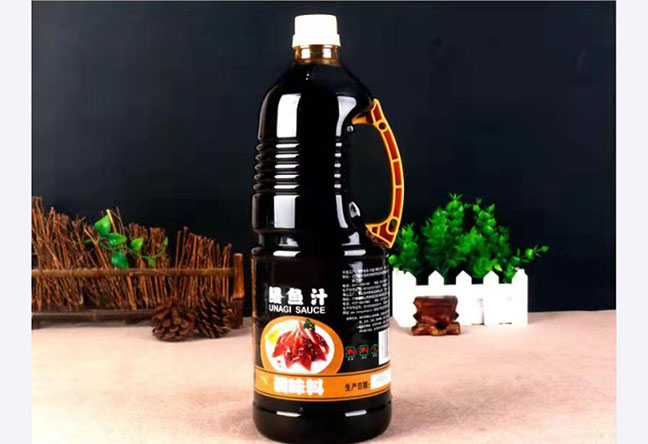
If sauce is part of your product research, compare it separately from the eel. The words on the front pack may be attractive, but the sauce format matters for kitchen use. See Eelpro’s eel sauce page for a product-focused reference, or review this kabayaki sauce article for more context on its role in finished dishes.
What are the common mistakes when reading Japanese eel labels?
When you encounter eel in japanese, do not let a single attractive character decide the purchase. This is especially relevant for importers, distributors, and restaurant groups comparing products from different suppliers.
- Mistake: Reading 鰻 as a quality grade. It is a writing form, not a grade. Check the full product specification instead.
- Mistake: Assuming うなぎ always means a casual or low-priced item. Hiragana changes readability and tone, not necessarily product quality.
- Mistake: Treating ウナギ as proof of a retail-ready product. Katakana is a script choice. Confirm pack format, carton labeling, and intended channel.
- Mistake: Ignoring the preparation word after the eel name. 蒲焼, 白焼き, rice bowl wording, and sushi references affect how the item should be used or served.
- Mistake: Ordering from a front label only. Review ingredients, net content, storage requirements, lot information, and import documentation before purchase.
Cold fact: a Japanese script style is not a food safety statement. Buyers should not infer certification or export eligibility from a Japanese-looking pack. Eelpro is certified to ISO 22000:2018 and HACCP, holds HALAL certification and an Export Food Producer Registration Certificate, and applies export quality standards to domestic sales. Those are documented qualifications; a script choice is not.
For product research involving eel in japanese, ask for the specification sheet before finalizing a purchase. This is the right approach when you need to compare frozen kabayaki, white-roasted skewers, cut pieces, gift-box formats, or skin-packaging options. It does not replace destination-market import requirements, which should be reviewed with the importer and relevant authorities.
How can buyers check a Japanese-facing eel product step by step?
Use the wording as a starting point, then move to the commercial facts. This process is practical for foodservice teams, importers, retail buyers, and distributors working with eel in japanese during supplier research.
- Identify the script and product name. Record whether the pack says 鰻, うなぎ, or ウナギ, then note the preparation term beside it.
- Confirm the prepared format. Ask whether the product is kabayaki, white-roasted, boneless or deboned, cut pieces, strips, chunks, sushi slices, or another requested cut.
- Review packaging. Confirm whether the product is supplied in skin-packaging, gift boxes, or another agreed format. Script style should match your market presentation, but it is secondary to product protection and label compliance.
- Check food safety documentation. Ask for relevant certification and export documents for the destination market. This is particularly important for markets with residue and microbiological requirements.
- Verify traceability controls. Ask how the supplier traces raw material through processing and shipment. Eelpro works with approximately 20 customs-registered eel farming bases covering more than 2,150 mu and maintains full-chain traceability controls.
- Match supply timing to your launch plan. Eelpro’s regular order delivery time is approximately 30 days from order confirmation to shipment, with timing negotiable by specification and quantity. Do not use that timing as a fixed promise for every order.
This checklist is most useful when the Japanese name is appearing on your proposed retail label, menu, or carton artwork. It does not decide translation requirements for every destination. A buyer selling in the United States, Germany, Poland, Australia, Indonesia, or another market should still confirm local mandatory label content.
Eelpro supplies eel products to Japanese restaurant chains and has exported unagi kabayaki and eel sauce to United States importers. The company also supplies eel products to German and Polish importers, Australian Asian foodservice and retail channels, Indonesian importers and foodservice channels, and regional Southeast Asian catering chains. These cases show market experience, not a blanket guarantee that one label design or product format fits every buyer.
Buyers who want greater visibility into production checks can also review Eelpro’s eel lab information. The company has an in-house laboratory and metal detectors at critical control points. For eel in japanese on buyer-facing materials, those documented controls matter far more than whether the front design uses kanji, hiragana, or katakana.
Frequently asked questions about eel in japanese
Is 鰻 the same as うなぎ?
In ordinary food use, yes. Both are read as unagi and refer to eel. 鰻 is kanji, while うなぎ is hiragana. For eel in japanese, the choice usually affects appearance and reading comfort rather than the basic food meaning. Check the rest of the menu or label for preparation details.
Why does frozen packaging often use ウナギ?
Katakana can be visually clear on a busy package, especially in a freezer retail setting. It may be used for product naming, graphics, or catalog text. Still, eel in japanese written in katakana does not establish product grade, origin, or export status.
Should a Japanese restaurant menu use kanji or hiragana?
Use kanji when you want a traditional visual mood and your customers are comfortable reading it. Use hiragana when easy recognition and a friendly tone are more important. A mixed style can also work. The best choice depends on your guests and menu design, not on a universal rule.
Does “unagi” always mean kabayaki?
No. Unagi identifies eel, while kabayaki identifies a preparation style. A menu may offer unagi in rice bowls, sushi, grilled dishes, or white-roasted formats. When buying eel in japanese, ask for the exact preparation and pack specification.
If you are comparing Japanese-facing frozen eel products, request a product specification and sample discussion from Eelpro to match the wording, cut, packaging, and intended serving format.