


Is Unagi Sauce the Same as Eel Sauce for B2B Sourcing
For food importers and restaurant chain operators, the question often comes up: is unagi sauce the same as eel sauce? While many use the terms interchangeably, the subtle differences in formulation, viscosity, and intended application can significantly impact your menu's consistency, cost, and flavor profile. As a quality specialist who has guided dozens of overseas clients through import compliance, I've seen firsthand how a misunderstanding of these terms can lead to sourcing the wrong product.
The short answer is: they are often the same, but not always. The label "eel sauce" in Western markets can be a catch-all term for a variety of sweet soy glazes, while "unagi sauce" or the traditional Japanese "unagi no tare" typically refers to a more specific recipe. For a B2B buyer, knowing the difference is critical for ensuring the product you order performs as expected, whether you're glazing grilled eel or drizzling it over a sushi roll.
Decoding the Labels: Unagi Sauce vs. Eel Sauce vs. Unagi no Tare
The confusion between these names stems from translation and market adaptation. In Japan, the sauce for grilled eel is called unagi no tare (うなぎのたれ). When exported, this gets translated and sometimes simplified. Understanding the nuances helps you specify exactly what you need from a supplier.
Here is a breakdown of the common terms and what they usually imply for a commercial kitchen:
| Sauce Term | Typical Formulation & Characteristics | Primary Application | Key Sourcing Consideration for Buyers |
|---|---|---|---|
| Unagi no Tare | The traditional Japanese name. Its core ingredients are high-quality soy sauce, mirin (sweet rice wine), sake, and sugar. Authentic recipes are often simmered with eel bones to add a deep umami flavor. It's typically thick, rich, and has a balanced sweet-savory profile. | Glazing grilled freshwater eel (unagi kabayaki). Drizzling over eel rice bowls (unadon). | Ask your supplier about the base ingredients and cooking process. This is the gold standard for authenticity, which is vital for clients like our Japanese restaurant chain partners. |
| Unagi Sauce | Generally a direct English translation of unagi no tare. This name implies a formulation that hews closely to the traditional Japanese recipe. It should be suitable for high-heat applications. | Glazing unagi kabayaki eel and use in other authentic Japanese dishes. | Verify the ingredient list. The term suggests higher quality and authenticity than the more generic "eel sauce." Check if it's designed for grilling or just as a finishing sauce. |
| Eel Sauce | A broader, Western-market term. While it can refer to a true unagi sauce, it often describes a more versatile, sometimes simplified, sweet soy glaze. Formulations may use corn syrup, have added thickeners, and be thinner for easier drizzling. | A general-purpose finishing sauce for sushi rolls (like Dragon Rolls), tempura, and other grilled items. Not always suitable for high-heat glazing. | This is where specifications are crucial. You must clarify the viscosity (thickness) and Brix (sugar content) with your supplier. The "eel sauce" for a US sushi chain may be very different from what a German importer needs for grilling. |
| Kabayaki Sauce | Refers specifically to the sauce used in the kabayaki grilling method. It is functionally synonymous with unagi no tare. The name emphasizes its purpose: to be applied in layers during grilling to create a perfect glaze. | The essential glaze for preparing frozen unagi kabayaki. | Confirm the sauce can withstand high temperatures without burning. The formulation must be stable enough for repeated application during a professional roasting process like ours. |
Key Sauce Specifications That Impact Your Foodservice Operations
Beyond the name on the bottle, the technical specifications of the sauce determine its performance in your kitchen. As a supplier to demanding markets from the European Union to Australia, we focus on these critical parameters. When you're sourcing, your checklist should include the following:
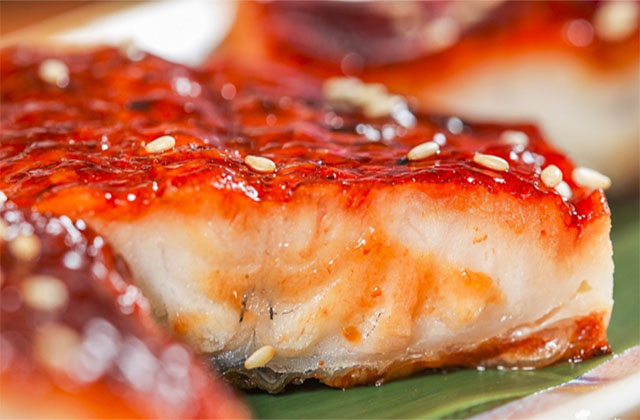
- Viscosity & Brix (Sugar Content): A thick, high-Brix sauce with good adhesion is essential for glazing hot products, as it creates a beautiful, even coating. A thinner, lower-viscosity sauce is better as a finishing drizzle for sushi, as it flows easily from a squeeze bottle. Mismatched viscosity leads to poor presentation and inconsistent application.
- Core Ingredients & Allergens: The foundation of a great sauce is simple: soy sauce, mirin, sugar. However, you must have a clear ingredient declaration for allergen labeling (e.g., soy, wheat/gluten, alcohol from mirin/sake). Our ISO 22000:2018 certified facility ensures strict allergen controls and full transparency.
- Flavor Profile (Sweet vs. Savory): Palates differ globally. Traditional Japanese tare has a deep, savory soy flavor that balances the sweetness. Some Western markets prefer a sweeter profile. We work with importers to adjust formulations to match their target audience, whether in Southeast Asia or Poland.
- Application Suitability (Grilling vs. Finishing): A true kabayaki sauce is engineered to caramelize under intense heat without burning. Our sauce is a perfect example; it's the same one we use on our production lines during our patented 4-layer roasting process. A simple finishing "eel sauce" may contain ingredients that scorch easily, imparting a bitter taste.
How Sauce Formulation Connects to Eel Quality and Production
A great sauce can't rescue a poor-quality raw material. The two are intrinsically linked. The goal of the sauce is to complement the rich, clean flavor of the eel, not to mask it. This is why our entire production chain is integrated, from farm to final glaze.
First, it starts with the eel itself. Our supply comes from approximately 20 customs-registered unagi eeel farm for eelpro co., ltd, where water quality and feed are carefully managed. This full-chain traceability ensures our eels have a clean taste, free from the "muddy" off-flavors that can plague lower-quality products. This provides the ideal foundation for the sauce.
Second, the application process is a science. At Eelpro, we don't just dip the eel in sauce. We use a patented, 4-layer roasting and glazing process:
- The eel is "white-roasted" first to cook it through and set the texture.
- The first and second layers of sauce are applied to build a foundational flavor and begin developing color.
- A third layer deepens the umami and ensures the flavor penetrates the fillet.
- The final, fourth layer is applied to create the perfect glossy finish and aroma.
This temperature-controlled method, refined in our own professional eel lab of eelpro co., ltd, ensures the sugars in the sauce caramelize perfectly. It's this precision that allows us to produce 4,000 tons of finished goods annually while maintaining consistent quality for all our clients.

Common Mistakes to Avoid When Sourcing Eel Sauce
Navigating the market for eel products can be tricky. Based on my 12+ years in seafood export quality assurance, here are some common missteps B2B buyers should avoid.
-
Mistake 1: Assuming "Eel Sauce" Is a Universal Standard.
The Problem: An importer orders a large volume of "eel sauce" expecting a thick glaze for their foodservice clients but receives a thin, watery product suitable only for drizzling. This creates an immediate mismatch with customer needs.
The Solution: Always request a specification sheet that details viscosity, Brix, and ingredients. Better yet, request a sample to test in your own or your client's kitchen. Clearly state the intended application. -
Mistake 2: Focusing Only on Price Per Liter.
The Problem: A cheaper sauce might seem like a good deal, but it could have a higher water content and lower solids. This means chefs need to use more product to achieve the same flavor intensity and coating, erasing any initial cost savings.
The Solution: Compare products based on their concentration (Brix or solids content), not just volume. A more concentrated, higher-quality eel sauce can be more economical in the long run. -
Mistake 3: Ignoring Regional Palate Differences.
The Problem: A sauce with a flavor profile perfected for the Japanese market may be perceived as too savory or not sweet enough for consumers in parts of the United States or Indonesia.
The Solution: Partner with a supplier experienced in exporting globally. A knowledgeable manufacturer can provide insights on regional preferences and offer different formulations to suit your specific market.
In short, while the terms unagi sauce and eel sauce are often used as synonyms, a professional buyer must look deeper. The key is to move past the label and focus on the technical specifications that guarantee performance, consistency, and flavor. By asking the right questions, you ensure the product you source will perform flawlessly in the kitchen and delight your customers' palates.
For a detailed comparison of our eel sauce formulations or to request a sample matched to your specific application, please contact our export team for a consultation.