


What Is Unagi Sauce and When Should You Glaze, Drizzle, or Dip With It
Your eel arrives, the sauce bottle is open, and you still don't know whether to brush it, pour it, or serve it on the side. Get this wrong and you end up with a soggy skewer or a bland bowl. So what is unagi sauce, exactly, and why does the application method matter as much as the sauce itself?
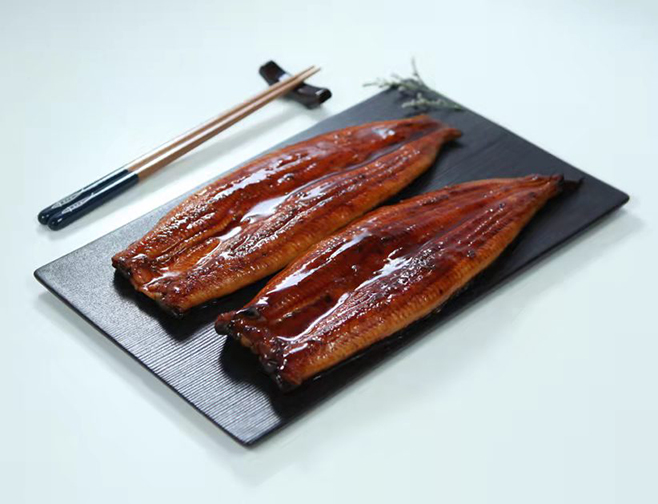
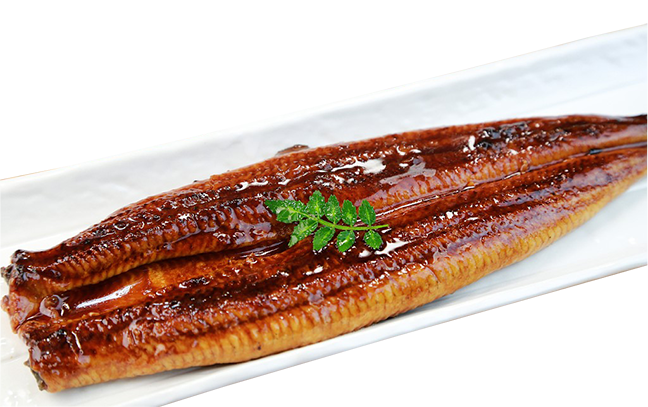
Unagi sauce — also called unagi tare — is a reduced glaze built from soy sauce, mirin, sugar, and sometimes sake, simmered down until it thickens into a glossy, sticky syrup. It carries deep umami, a light sweetness, and just enough salt to balance grilled fish or rice. It's the same family of sauce used on kabayaki eel, teriyaki proteins, and donburi bowls across Japanese kitchens. The confusion isn't about the ingredients — it's about use. One bottle, three different jobs.
What Is Unagi Sauce Made From, and Why Does Consistency Vary?
Base ratios differ by producer, but the goal is always the same: a glaze that clings without pooling, and a flavor that deepens rather than overpowers. At our facility, the sauce used on frozen unagi kabayaki follows a 4-layer soy sauce coating process, with each layer applied at a controlled temperature step. This builds color gradually — what our quality team calls the "1st-through-4th soy-sauce coating" standard — instead of dumping all the sweetness and salt on in one pass.
Why does this matter to a buyer? Because a sauce built in layers holds its viscosity better across a cold chain. A one-shot reduction can separate or thin out after freezing and reheating; a layered glaze tends to re-set more evenly when warmed. If you're sourcing for foodservice, ask your supplier how their sauce is built — not just what's in it.
Glaze, Drizzle, or Dip — Match the Application to the Dish
This is the part most menu planners skip, and it's the one that actually changes plate results. Each method asks something different of the sauce's thickness, sugar content, and application temperature.
| Application | Best Used For | Technique | Limitation |
|---|---|---|---|
| Brush-on glaze | Grilled or roasted kabayaki, skewers, broiler finishing | Brush in 2-3 thin coats, letting each layer caramelize for 60-90 seconds under heat before the next pass | Too thick a glaze burns sugar before the fish heats through — watch for dark edges, not deep brown |
| Finishing drizzle | Rice bowls, noodle dishes, roasted vegetables | Drizzle at room temperature or lightly warmed, right before serving, so it doesn't soak into rice and turn mushy | Not ideal for anything already wet — soups or broths dilute it fast |
| Dipping sauce | Sushi rolls, tempura, cold appetizer plates | Serve in a small side dish, slightly thinner than glaze consistency, often cut with a touch of water or rice vinegar | Thins out if kept warm too long; separates if refrigerated and not re-whisked |
A quick scenario: a Japanese restaurant chain plating kabayaki skewers for a lunch rush needs the brush-on method — it holds up under the broiler and doesn't drip during plating. A home cook finishing a donburi bowl wants the drizzle, applied last, so the rice stays separate and fluffy underneath. A sushi counter serving unakyu rolls wants the dip, kept cold and re-whisked between services. Same sauce, three different outcomes.
How Roasting Process Affects the Sauce You End Up With
Sauce quality doesn't start at the bottle — it starts at the roasting line. Our patented low-fat roasting and deodorizing technology removes excess oil and odor compounds before the soy-sauce layers are applied, which is part of why the glaze doesn't taste greasy or fishy after reheating. We also maintain a "white-roasted color" standard before any sauce touches the fish, so the base product is consistent before flavor is added.
This matters for buyers evaluating suppliers: a roasting process with inconsistent heat control produces eel with uneven fat content, and sauce applied over that surface will caramelize unevenly — some pieces burnt, some pale. If you want to understand why this step is treated as a differentiator rather than a footnote, our breakdown on why our kabayaki sauce performs differently covers the technical side in more depth.
Common Mistakes When Using Unagi Sauce
- Applying glaze over high direct flame without monitoring color. Sugar content means it burns fast — check at 60-second intervals, not by the clock alone.
- Treating dipping sauce and glaze as interchangeable. Dipping sauce is usually thinner; using it as a glaze means multiple coats that never build real color.
- Drizzling sauce before the dish is plated. Rice and noodles absorb liquid fast — sauce added early turns a crisp dish soggy within minutes.
- Storing opened sauce at room temperature. Soy-based glazes are shelf-stable longer refrigerated; an open bottle left out invites flavor drift within days.
- Assuming all unagi sauce brands reduce to the same thickness. Viscosity varies by sugar ratio and reduction time — always test a small batch before committing to a large production run.
For a deeper fix-it list on texture and seasoning balance, see our guide to correcting common kabayaki sauce flavor mistakes.
Buyer's Checklist for Sourcing Unagi Sauce and Kabayaki
If you're evaluating a supplier for foodservice or retail, these are the points worth confirming before you place an order:
- Certification coverage. Confirm ISO 22000:2018 and HACCP status, plus HALAL certification if your market requires it.
- Traceability depth. Ask whether the supplier can trace product back to specific farming bases — ours covers around 2,150 mu across roughly 20 customs-registered sites.
- Lead time. Standard order timelines run about 30 days from confirmation to shipment, though this shifts with spec and volume — confirm this upfront, not after booking freight.
- Cold-chain capacity. A 1,000-ton cold storage facility behind the supplier reduces the risk of stockouts during peak ordering periods.
- Cut specification match. Confirm whether you need shredded, diced, strip-cut, chunk-cut, 3-section cut, or sushi-slice format — this affects both pricing and MOQ.
- Quality control depth. Ask whether the facility runs an in-house laboratory and metal detectors at critical control points — both reduce contamination risk before product ships.
Our in-house lab runs targeted sampling alongside metal detection, which is part of how export-grade product stays compliant with Japan, US, and EU veterinary drug residue and microbiological standards.
Frequently Asked Questions
Is unagi sauce the same as teriyaki sauce?
No, though they're close relatives. Teriyaki sauce often includes garlic or ginger and is used broadly across proteins. Unagi tare is reduced specifically for eel and tends to be thicker, with a more concentrated soy-sugar balance built for repeated glazing passes.
Can unagi sauce be used on non-eel dishes?
Yes. It works well as a drizzle over grilled chicken, roasted vegetables, or dim sum-style small plates. It does not work well as a marinade base for raw proteins that need long soak times — the sugar content can cause burning before the inside cooks through.
Does the sauce need refrigeration after opening?
Yes. Once opened, refrigerate and use within the window stated on the product label. An unopened sealed bottle stored per label instructions keeps considerably longer, but opened sauce exposed to room temperature repeatedly loses consistency faster.
What's the biggest limitation of unagi sauce as a dipping option?
Thickness control. A sauce reduced thick enough to glaze well under heat can feel heavy as a cold dip. If your menu needs both applications, it's worth sourcing or preparing two slightly different consistencies rather than forcing one batch to do both jobs.
Where This Fits Into Menu and Sourcing Decisions
Menu planners sourcing frozen seafood at scale need to think past flavor and into handling: does the sauce hold up through reheating, does it match the cut spec you're serving, and does the supplier's cold chain protect viscosity in transit? A kitchen running a high-volume donburi program has different needs than a sushi bar doing small-batch rolls — the eel sauce product line and kabayaki cuts should be matched to that specific throughput, not chosen on flavor alone.
If you're still working out portion sizing or plating order, our notes on donburi topping combinations walk through drizzle timing in more detail.
Looking to test a batch before committing to a full order? Request a sample of our unagi tare or a spec sheet for frozen kabayaki cuts, and our team will match the format to your application — glaze, drizzle, or dip.