


What Is Unagi Sauce and Why It Makes Grilled Foods Shine
A glazed piece of grilled eel can look simple, but the sauce is doing a lot of work. It adds color, aroma, sweetness, saltiness, and that sticky finish that clings to the fish instead of running onto the plate. So, what is unagi sauce? It is a Japanese-style sweet-savory glaze, often called unagi tare or kabayaki sauce, used most famously on grilled eel.
For home cooks, sushi diners, and foodservice buyers, the key question is not only what it tastes like. It is whether the sauce has the right body for brushing, reheating, dipping, or plating. A sauce that is too thin can make rice watery. One that is too heavy can cover the natural taste of eel.
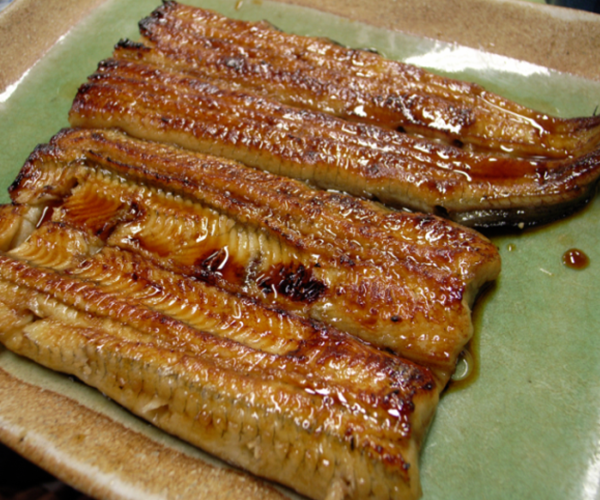
What unagi sauce is and what it is not
What is unagi sauce in practical terms? It is a dark, glossy glaze associated with Japanese grilled eel dishes, especially kabayaki. Traditional-style versions are generally built around soy sauce and sweetening ingredients, with some recipes also using mirin, sake, eel cooking juices, or other flavoring components. Exact formulas vary by producer, restaurant, and market.
Its purpose is specific: it should season the eel while helping create the lacquered surface associated with grilled kabayaki. The sauce is usually brushed on in layers during grilling rather than poured over the eel at the beginning.
Unagi sauce is often called “eel sauce,” but the name can confuse shoppers. Some commercial eel sauces may not contain eel as an ingredient. The term often describes the sauce’s intended use with eel, not a guaranteed ingredient list. Therefore, buyers asking what is unagi sauce should inspect the product label rather than assume every sauce follows the same formula.
| Term | What it usually describes | Best use | Buyer caution |
|---|---|---|---|
| Unagi sauce | Sweet-savory Japanese-style sauce for eel | Grilled eel, sushi, rice bowls, seafood | Ingredient composition differs by supplier |
| Unagi tare | Japanese name often used for eel glaze | Brushing during kabayaki grilling | May be thicker than a table sauce |
| Kabayaki sauce | Sauce made for the kabayaki preparation style | Grilled eel and other grilled proteins | Not every “teriyaki-style” sauce performs the same |
| Sushi sauce | A broad retail or menu term | Drizzling or dipping | Can be too thin for hot grilling applications |
For the classic pairing, see our unagi kabayaki product information. The pairing works because the fatty character of eel is balanced by salt, sweetness, and roasted soy notes.
How reduction creates gloss, sweet-savory flavor, and cling
The defining technical step behind a good glaze is reduction. Reduction means simmering a liquid so part of its water evaporates. This concentrates dissolved ingredients and changes how the finished sauce behaves on food.
When people ask what is unagi sauce, they are often really asking why it looks shiny and stays on grilled eel. Reduction is a major part of that answer. It affects thickness, flavor concentration, surface coverage, and the way the sauce responds to heat.
| Reduction effect | What happens in the sauce | What the diner sees or tastes | What goes wrong if it is misjudged |
|---|---|---|---|
| Water loss | The sauce becomes more concentrated | Stronger sweet-savory flavor in a smaller brush coat | Too little reduction leaves a watery, weak glaze |
| Higher viscosity | The sauce flows more slowly | Better cling on eel, salmon, chicken, tofu, or vegetables | Too much reduction can produce an overly thick coating |
| Sweetness concentration | Sweet ingredients become more noticeable | A rounded, glossy finish that balances soy sauce saltiness | Excess sweetness can mask seafood flavor |
| Surface coating | The sauce remains on the food rather than pooling immediately | More even color and a polished grilled appearance | A thin sauce runs off and can soak rice or packaging |
| Heat exposure | Repeated brushing and grilling set the glaze in layers | Characteristic kabayaki color and aroma | Applying a heavy layer too early can darken too fast |
Recommendation: use a reduced glaze when the goal is a visible brushed finish on grilled foods. The reason is simple: a thicker sauce stays on the surface long enough to heat and set. This fits kabayaki, grilled skewers, roasted seafood, and finishing a rice bowl. It does not fit every use. For a dipping sauce or cold noodle dressing, the same thickness may feel heavy and may require adjustment.
A good visual check is useful. The sauce should look glossy and pourable, not watery like plain soy sauce and not stiff like a candy syrup. If it falls from a spoon in a fast, thin stream, it may not coat well. If it drops in slow clumps, it may overpower delicate fish or produce an uneven finish.
Texture and flavor signals buyers should assess before serving
What is unagi sauce supposed to taste like? The expected profile is sweet, salty, savory, and lightly roasted after heating. It should complement eel instead of turning every bite into a sugary sauce experience. Soy sauce provides salinity and depth, while sweet ingredients round the edges and support browning during grilling.
For foodservice teams, tasting from the bottle is not enough. Test the sauce on the actual menu item. A sauce can seem balanced when cold but become much sweeter after it is warmed and brushed onto a fatty protein.
- Choose a fuller-bodied sauce for grilled eel, roasted fish, skewers, and oven-finished items. It clings better under heat. Do not choose this style for a light drizzle unless the menu calls for a strong glaze.
- Choose a more fluid format for rice bowls, dipping portions, or drizzle bottles. It spreads easily. Do not expect the same visual coating on a grill.
- Assess salt after heating because heat and moisture loss can make soy-based notes seem stronger. This matters most for small portions such as sushi pieces.
- Assess sweetness with the intended protein. Rich eel can carry more sweet-savory glaze than mild white fish or vegetables.
- Check color after application. Dark sauce alone does not guarantee an appealing grilled finish; the coating must be even and controlled.
A useful comparison is to place a small amount of sauce on warm plain rice, then on a grilled sample. If the sauce makes the rice taste sharply salty or leaves a wet pool under the protein, it may be better suited to dipping than brushing.
For more menu context, our kabayaki sauce article explains why sauce application matters to the final grilled eel experience.
Where unagi sauce works best in a kitchen or menu
The answer to what is unagi sauce becomes clearer when it is used in context. It is not limited to eel, although grilled unagi remains its most recognized role. Its sweet-savory profile also works with proteins and vegetables that benefit from a dark finishing glaze.
| Application | Recommended method | Why it works | Limit |
|---|---|---|---|
| Unagi kabayaki | Brush in light layers during final grilling | Builds color and cling without flooding the eel | Heavy early application may darken too quickly |
| Sushi rolls | Use a controlled drizzle after assembly | Adds sweetness and visual contrast | Too much sauce can soften nori and hide other fillings |
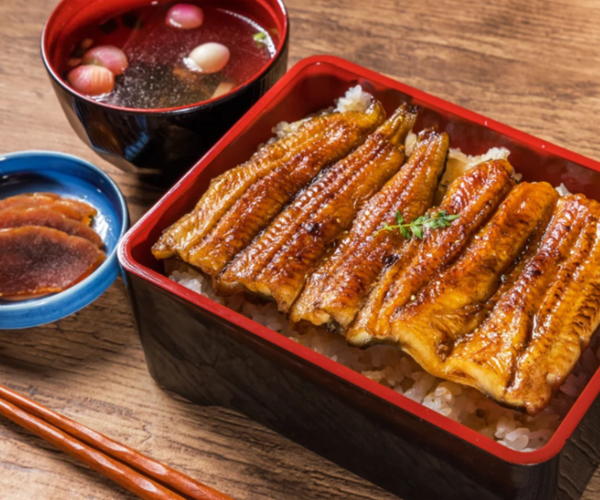
| Rice bowls | Brush protein, then add a small finishing amount if needed | Flavors both eel and rice without excess pooling | Pouring freely can make the bowl overly sweet |
| Grilled seafood | Apply near the end of cooking | Supports browning and a glossy finish | Delicate seafood may need a lighter coat |
| Tofu or vegetables | Brush onto a dry, cooked surface | Creates a savory vegetarian glaze option | Wet surfaces dilute the sauce and reduce cling |
Cold fact: the dark color of unagi sauce does not mean it should be used in a large amount. A small, well-applied layer often gives a better result than a heavy pour. The goal is a glazed surface, not a sauce puddle.
Avoid these common mistakes when buying or using it
Knowing what is unagi sauce is useful, but avoiding the wrong application saves more product and protects menu consistency. These are the mistakes that matter most in homes, sushi counters, and restaurant kitchens.
- Assuming all eel sauce is identical. Formulas, sweetness, thickness, and intended use vary. Compare labels and test samples on your actual grilled product.
- Adding the sauce too early. A sweet glaze can darken quickly under strong heat. Apply it in lighter coats closer to the finishing stage when a glossy surface is the target.
- Using a dipping sauce as a grill glaze. A thin sauce may taste acceptable but slide off the food. Select a glaze-style product when brush adhesion matters.
- Ignoring portion control. More sauce does not automatically mean more flavor. Start with a light coat, assess the result, and add only what the product needs.
- Skipping supplier documentation. Foodservice buyers should request ingredient information, packaging details, storage instructions, and relevant food-safety documentation before purchase.
For recipes and plating ideas, an eel teriyaki approach can show how a sweet-savory glaze behaves on hot grilled eel.
How foodservice buyers can select an eel sauce supplier
For a buyer, what is unagi sauce is only the first research question. The next question is whether the supplier can support consistent supply, documented food safety, and a sauce profile that fits the intended menu.
At Eelpro Co., LTD, frozen roasted eel and deep-processed aquatic products are produced on two modern production lines with annual finished-product capacity of 4,000 tons. We also operate a 1,000-ton cold storage facility to support product storage and cold-chain logistics. Our facility holds ISO 22000:2018, HACCP, HALAL certification, export food producer registration, and an SC Food Production License.
For buyers sourcing sauce alongside eel, the best fit is usually a supplier that understands both components of the finished dish. Eelpro uses a four-layer soy-sauce coating process for export-grade roasted eel, with established appearance standards from white-roasted color through the first to fourth soy-sauce coating colors. This is relevant when a buyer wants sauce behavior that supports a consistent kabayaki presentation.
- Define the serving method. State whether the sauce is for brushing, drizzling, dipping, or retail sale. This determines the preferred thickness and pack format.
- Request product documents. Review ingredient information, storage guidance, packaging format, and compliance documents before confirming an order.
- Test with the final menu item. Use the intended eel cut, rice, grill, and portion size. Bench tasting alone cannot show how the glaze performs after heating.
- Confirm supply planning. Regular orders are generally delivered in approximately 30 days from order confirmation to shipment, subject to specification and quantity negotiation.
- Match sauce to eel format. Whole fillets, cut pieces, sushi slices, and rice bowl toppings may need different application methods even when the sauce profile is similar.
Eelpro supplies kabayaki eel to Japanese restaurant chains and exports unagi kabayaki and eel sauce to United States food importers. We also supply eel products to German and Polish importers, Australian Asian foodservice and retail channels, Indonesian importers, and Southeast Asian catering chains. These applications do not mean one sauce format fits every market; they show why buyers should define their serving and labeling needs early.
Ask for an eel sauce specification or a sample discussion if you are selecting a glaze for grilled eel, sushi, or foodservice menu development.