


What Buyers Need to Know About Different Chinese Eel Species
When sourcing eel products from China, international buyers often encounter a confusing set of names: 鳗鱼 (mányú), 鳝鱼 (shànyú), and 黄鳝 (huángshàn). While they all translate to "eel" in some contexts, they represent entirely different species with distinct textures, flavors, and culinary applications. Sourcing the wrong type of chinese eel can lead to an inconsistent final product, failed menu development, and significant supply chain issues. As a food safety and quality specialist, I've seen importers face costly rejections because of a simple misunderstanding of these terms.
This guide clarifies the differences, helping you specify exactly what you need for your market, whether it's for Japanese restaurant chains, US food importers, or European foodservice distributors. Understanding this distinction is the first step in securing a reliable supply of high-quality, product-appropriate eel.
Decoding Chinese Eel Terminology: 鳗鱼 (Mányú) vs. 鳝鱼 (Shànyú) vs. 黄鳝 (Huángshàn)
The most critical mistake a buyer can make is assuming these terms are interchangeable. They are not. Each refers to a distinct animal used in very different ways in the kitchen. Using one in a recipe designed for another will yield poor results. Here is a direct comparison to guide your sourcing decisions.
| Parameter | 鳗鱼 (Mányú) | 鳝鱼 (Shànyú) / 黄鳝 (Huángshàn) |
|---|---|---|
| Species Family | Primarily refers to Anguillidae family, especially Anguilla japonica (Japanese eel). These are true eels. | Refers to the Synbranchidae family, specifically the Asian swamp eel (Monopterus albus). These are not true eels but are fish with an eel-like appearance. |
| Common English Name | Freshwater Eel, Unagi | Swamp Eel, Rice Paddy Eel, Finless Eel |
| Appearance | Thick, cylindrical body with smooth, silvery-grey skin. Has pectoral fins. The flesh is white and rich in natural fats. | Snake-like, slender body with yellowish-brown skin often marked with dark spots. Lacks pectoral fins. Flesh is firmer. |
| Flavor & Texture | Rich, fatty, and tender with a slightly sweet, delicate flavor. The high fat content makes it ideal for roasting, as it becomes soft and melts in your mouth. | Leaner, with a much firmer, chewier, and somewhat "bouncier" texture. The flavor is earthier and less delicate. |
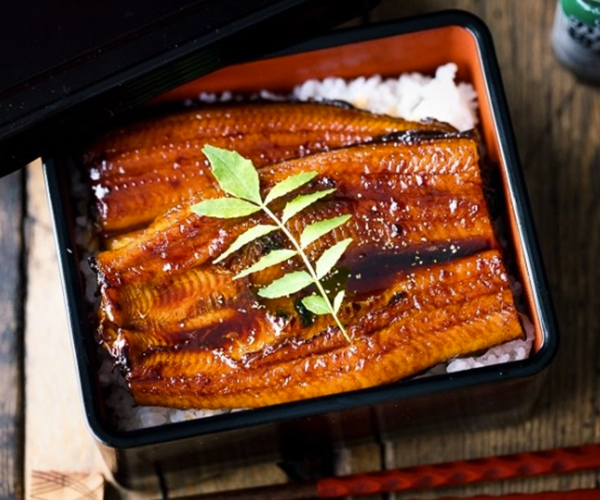
| Primary Culinary Use | Unagi Kabayaki: The most famous preparation. The eel is grilled and basted with a sweet soy-based sauce. Widely used in Japanese cuisine for sushi (eel sushi roll recipe: make unagi rolls), donburi (rice bowls), and other grilled dishes. | Stir-fries, Soups, and Hot Pots: Its firm texture holds up well to high heat and prolonged cooking. It is commonly shredded or cut into segments and used in regional Chinese dishes. It is not suitable for kabayaki-style grilling. |
| Market Application | High-value export product for Japanese, American, and European markets. Prized in fine dining and specialized foodservice. | Primarily consumed in domestic Chinese and Southeast Asian markets. Less common as a high-volume export product for Western cuisine. |
For nearly all international B2B buyers seeking products for Japanese-style cuisine, the correct term to specify is 鳗鱼 (Mányú), which corresponds to the unagi used in unagi kabayaki. At Eelpro, our entire operation, from farming to processing, is dedicated to this specific species.

Quality Benchmarks for Export-Grade Unagi Kabayaki (鳗鱼)
Once you've identified the correct species, the next step is to verify the quality and safety of the supply chain. For markets like Japan, the US, and the EU, this is non-negotiable. Vague promises are not enough; you need a supplier with documented systems and verifiable processes. Our clients in Germany and Poland, for example, require strict adherence to EU veterinary drug residue standards, which we consistently meet.
From Farm to Freezer: The Importance of Full-Chain Traceability
True quality control begins long before the eel reaches the factory. It starts at the farm. A reliable supplier must have complete oversight of its raw material source to manage food safety risks effectively. We operate and cooperate with approximately 20 customs-registered eel farming bases, covering over 2,150 mu. This extensive network ensures a stable supply of over 5,000 tons of high-quality eel annually.
This isn't just about volume. Each unagi eeel farm for eelpro co., ltd is part of a full-chain traceability system. We track everything from farming registration and process verification to targeted sampling for veterinary drug residues. This system, supported by our in-house professional eel lab of eelpro co., ltd, allows us to pinpoint the origin of every batch, ensuring accountability and helping our clients avoid import risks.
The Science of Flavor: Roasting and Seasoning Process
The taste and texture of premium unagi kabayaki are not accidental. They are the result of a precise, multi-stage process. Our roasting line was engineered to create a product that is both flavorful and has a pleasant mouthfeel. We developed patented low-fat roasting and deodorizing technologies to remove any muddy taste while preserving the eel's natural richness.
The seasoning is equally important. Our signature process involves four distinct layers of soy sauce application, each at a controlled temperature. We have established internal color standards for both the initial 'white-roasted' stage and each subsequent soy-sauce coating. This meticulous approach ensures a deep, balanced flavor and a consistent, appetizing appearance in every shipment. This is the quality that keeps our Japanese restaurant chain partners ordering from us year after year.
Avoiding Common Sourcing Mistakes for International Buyers
In my 12+ years managing quality assurance for seafood exporters, I've seen many buyers, especially those new to the category, make preventable mistakes. These errors can lead to receiving a substandard product, facing customs delays, or even product rejection. Here are the most common pitfalls and how to avoid them.
A Buyer's Checklist for Verifying Supplier Quality
Before committing to a supplier, use this checklist to assess their capabilities. A professional manufacturer should be able to provide clear answers and documentation for each point.
- Verify Certifications: Do they hold internationally recognized food safety certifications? Ask for copies of their ISO 22000:2018, HACCP, and HALAL certificates. These are not just logos on a website; they represent audited and functioning safety management systems.
- Confirm Species and Origin: Does the supplier clearly state they are providing Anguilla japonica? Can they provide traceability documentation back to the registered farming base?
- Inquire About Production Capacity: Can their stated capacity meet your volume needs consistently? With two modern production lines and an annual capacity of 4,000 tons, we provide stability for large-scale buyers. Our 1,000-ton cold storage facility ensures product integrity during storage and logistics.
- Ask About Customization: Can they meet your specific cutting and packaging requirements? For foodservice clients, value-added processing like shredding, dicing, sushi slices, or skin-packaging reduces back-of-house labor and costs. We offer a wide range of custom specifications.
- Discuss Quality Control Points: What specific measures do they take to ensure product safety? We have over 25 dedicated technical and quality-control personnel and use metal detectors at critical control points to eliminate physical contaminants.
- Clarify Logistics and Lead Times: What is their standard order-to-shipment time? Our typical lead time is around 30 days, but we can negotiate based on the specific order, providing clear expectations for your inventory planning.
By asking these questions, you move beyond marketing claims and into the operational details that define a reliable, long-term B2B partner. We apply the same stringent export quality standards to all our products, ensuring that every client receives a safe, delicious, and consistent supply of frozen roasted eel.
Understanding the nuances of the Chinese eel market is essential for making a successful purchase. By distinguishing between species and thoroughly vetting your supplier's capabilities, you can build a resilient supply chain for your business.
If you need detailed product specifications for our frozen unagi kabayaki or wish to discuss your import requirements, please send us your inquiry. Our team is ready to assist.