

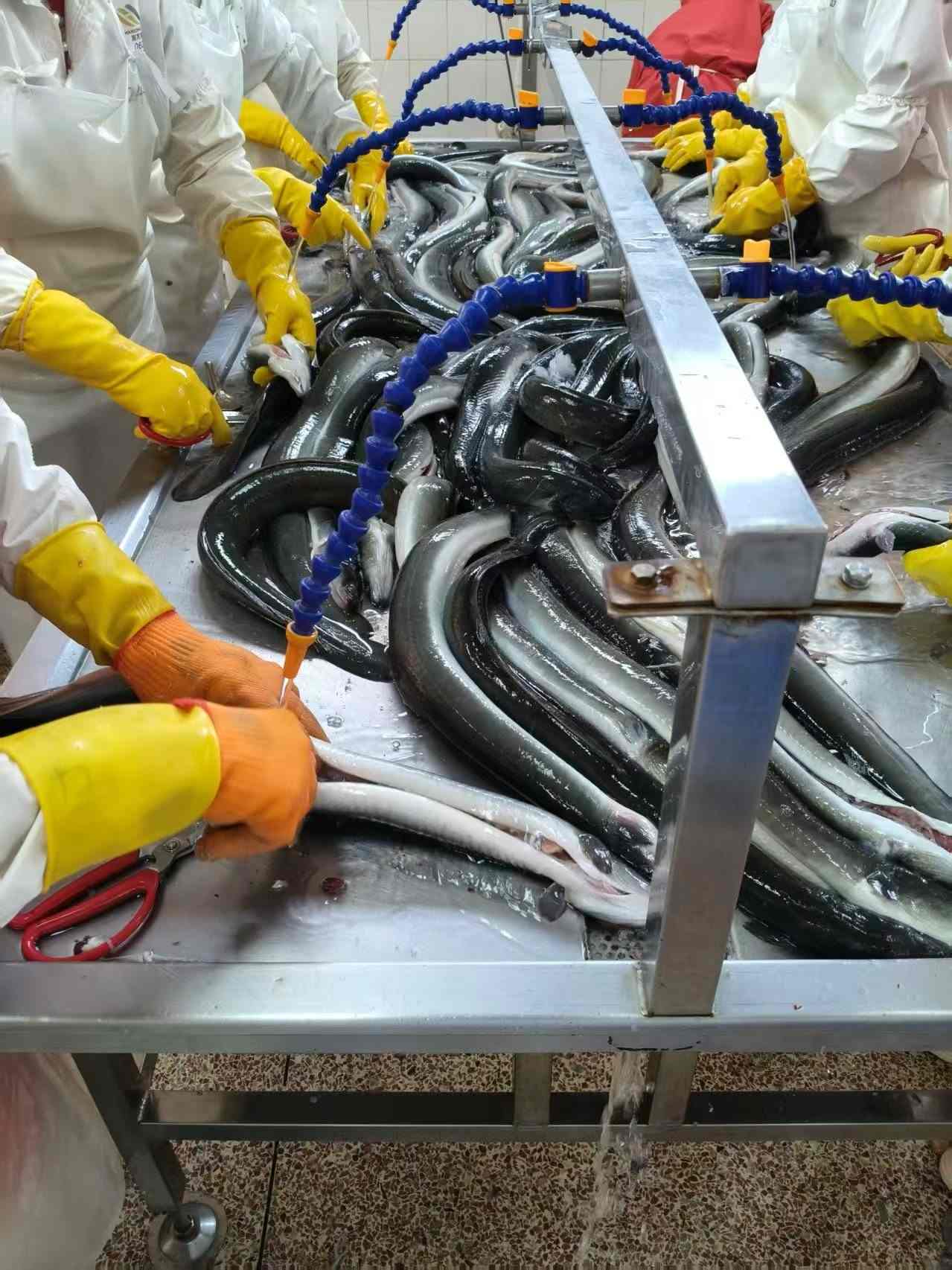
Eel Sushi Roll Recipe: A Guide to Making Unagi Rolls
An eel sushi roll brings together sweet-savory grilled eel, seasoned sushi rice, crisp nori, and fresh toppings in one satisfying dish. It suits a Japanese restaurant menu, a takeaway counter, or a well-equipped home kitchen.
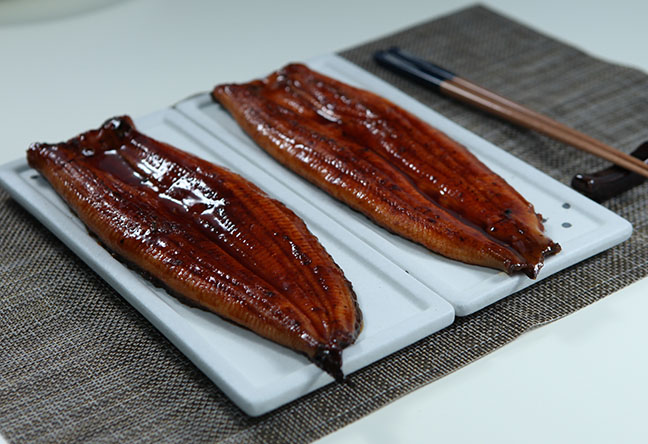
This recipe uses cooked unagi kabayaki, a Japanese-style eel fillet grilled and coated with tare sauce. Since the eel is already prepared, the focus is on properly seasoned rice, gently reheated fillets, and a tight roll that holds its shape without squeezing the filling.

What You Need for an Eel Sushi Roll
The quantities below make about four medium rolls, or 24 to 32 pieces depending on how you cut them.
- 400 g Japanese short-grain rice
- 480 ml water, adjusted according to the rice product
- 60 ml unseasoned rice vinegar
- 25 g sugar
- 8 g salt
- 4 sheets of nori
- 300 to 350 g cooked unagi kabayaki
- 1 small cucumber, cut into thin strips
- 1 avocado, sliced into narrow strips
- Toasted sesame seeds, optional
- Unagi tare or eel sauce for finishing
- Pickled ginger, wasabi, and soy sauce for serving
These are the core ingredients for an eel sushi roll. Cucumber adds a welcome crunch, while avocado gives the filling a creamy texture. Cream cheese appears in some restaurant-style rolls, but it can mask the flavor of the eel. Start with a lighter filling, then adjust it to suit your menu.
Prepare the Sushi Rice
1. Wash and cook the rice
Rinse the rice under cold water until the water is mostly clear. Drain it thoroughly, then let it rest for 15 to 20 minutes before cooking. This brief pause helps the grains take up water more evenly.
Cook the rice in a rice cooker or covered saucepan. Once cooked, leave it covered for 10 minutes. The grains should be tender and lightly glossy, never wet or mushy.
2. Season while warm
Combine the rice vinegar, sugar, and salt in a small pan over low heat. Stir just until the sugar and salt dissolve; do not let the mixture boil. Transfer the cooked rice to a wide bowl, then fold in the seasoning with a rice paddle or wooden spatula.
Use a slicing motion instead of stirring in circles, which can break the grains. Let the rice cool to room temperature before rolling. Hot rice softens the nori too quickly and makes an eel sushi roll harder to handle.
Warm and Prepare the Grilled Eel
Cut the cooked eel into strips roughly 1.5 to 2 cm wide, keeping each piece long enough to run across the roll. If you are using frozen kabayaki, thaw it according to the product instructions before reheating.
Warm the eel in a covered pan, steamer, oven, or microwave until hot throughout. A short finish under a broiler or grill adds a lightly charred surface. Avoid overcooking the fillet; unagi is at its best when the center stays tender and moist.
For a ready-to-serve option, frozen unagi kabayaki can make portion control easier. The fillets arrive cooked and seasoned, allowing a foodservice kitchen to focus on thawing, heating, cutting, and assembly.
After heating, brush on a small amount of extra eel sauce for a deeper finish. Use it sparingly, as too much sauce can loosen the rice and tear the nori.
How to Make an Eel Sushi Roll
1. Set up the rolling mat
Place a bamboo sushi mat on a clean work surface. Cover it with plastic film if you need quicker cleaning between orders. Set one sheet of nori on the mat with the rough side facing up and the long edge closest to you.
2. Add the rice
Wet your hands and take about 150 g of seasoned rice. Spread it over the nori in a thin, even layer, leaving about 2 cm uncovered at the far edge. Do not pack the rice down too firmly; compressed rice makes the roll dense and heavy.
3. Arrange the filling
Place one strip of warm eel, cucumber, and avocado in a horizontal line about 3 cm from the edge nearest you. Keep the filling centered for an even roll. If using sesame seeds, scatter them over the rice before adding the filling.
4. Roll with steady pressure
Lift the near edge of the mat and fold the nori over the filling. Hold the ingredients in place with your fingers as you roll forward. When the top and bottom edges meet, press gently, then continue rolling until the exposed nori seals the cylinder.
Cut the roll in half with a sharp, damp knife, then cut each half into three or four pieces. Wipe the blade between cuts to keep the edges clean. If the knife starts to drag, dampen it again rather than pressing harder.
This method makes a classic unagi sushi roll with nori on the outside. For an inside-out version, spread the rice over the nori, turn the sheet over, and place the eel on the nori side. This style is often used for a restaurant eel maki roll finished with sesame seeds on the outside.
Serving Ideas for Grilled Eel Sushi
Drizzle each piece with a thin line of tare, then finish with toasted sesame seeds or finely sliced spring onion. Pickled ginger balances the sweetness of the sauce, while wasabi adds heat without overwhelming the eel.
For a lunch set, pair the roll with miso soup, edamame, and a small salad. On a larger platter, serve it alongside nigiri, sashimi-grade seafood where appropriate, and cucumber maki. Warm eel sauce on the side gives customers control over the sweetness.
Some kitchens add a narrow strip of grilled eel to the top of each cut piece, followed by a final glaze. It creates a more substantial grilled eel sushi presentation, although it also requires consistent fillet sizing and careful portion planning.
Chill leftover cooked rolls promptly and handle them according to local food safety rules. Sushi rice loses its ideal texture in the refrigerator, so it is best to prepare only the amount you expect to serve during the operating period.
How to Source Quality Eel for Sushi
For restaurants, distributors, and foodservice buyers, a reliable eel program depends as much on consistency as it does on flavor. Before placing a regular order, review the following points:
- Fillet size: Ask for a clear size range and pieces per carton. Uniform fillets simplify roll costing and menu portions.
- Cooking format: Confirm whether the product is raw, grilled, vacuum packed, sauced, or fully cooked. Kabayaki is useful when the kitchen needs a fast service format.
- Appearance: Check for even cuts, intact skin, and minimal breakage after thawing.
- Flavor profile: Request the sauce specification. Tare can vary in sweetness, saltiness, thickness, and color.
- Cold-chain handling: Review frozen storage, carton labeling, packing details, and shipping arrangements with the supplier.
- Documentation: Ask for the product specification, ingredient statement, allergen information, shelf-life details, and certificates required in your market.
Test a sample carton the same way your kitchen plans to use it. Thaw several fillets, reheat them with your intended equipment, and cut them into roll portions. This provides a more useful result than tasting a single piece immediately after production.
Eelpro Co., LTD supplies frozen unagi kabayaki, eel sauce, freshwater eels, and other frozen seafood for overseas buyers. We can discuss specifications such as fillet size, packaging, sauce, and intended foodservice use. Our kabayaki sauce guide also explains how sauce affects the finished dish.
Simple Variations for a Sushi Eel Recipe
Once the basic technique is reliable, adapt the filling to fit your menu:
- Eel and cucumber roll: Use eel, cucumber, and sesame for a clean, crisp filling.
- Eel avocado roll: Add avocado and a small amount of spicy mayonnaise.
- Eel tempura roll: Include a piece of tempura shrimp for a richer combination.
- Eel rice bowl: Skip the nori and serve warm eel over seasoned rice with tare.
- Eel noodle pairing: Use leftover kabayaki in a hot noodle dish; our eel recipes include a practical soup preparation.
Let the eel remain the main flavor. A small amount of sauce and two or three well-matched fillings usually produce a cleaner result than an overloaded roll.
Frequently Asked Questions
How do you make an eel sushi roll?
Cook and season short-grain rice, warm cooked unagi kabayaki, and prepare nori, cucumber, and avocado. Spread rice over nori, place the fillings near the front edge, roll firmly with a bamboo mat, and cut the cylinder with a damp sharp knife. Finish with eel sauce and sesame seeds.
What ingredients are needed for an eel sushi roll?
The essential ingredients are sushi rice, rice vinegar, sugar, salt, nori, cooked grilled eel, and eel sauce. Cucumber and avocado are optional but popular additions. Pickled ginger, wasabi, and soy sauce are commonly served on the side.
How do you source quality eel for sushi?
Ask suppliers for consistent fillet sizes, product specifications, cooking and sauce details, frozen storage information, carton packing, and export documents required in your destination market. Test a sample after thawing and reheating before approving a regular order.
Can frozen unagi kabayaki be used in an eel sushi roll?
Yes. Thaw and reheat the product according to its instructions, then cut the fillet into strips before rolling. A fully cooked kabayaki product can help restaurants maintain faster preparation and more consistent portions.
Final Tips for Better Unagi Rolls
Use room-temperature sushi rice, warm but not dried-out eel, and a light hand when spreading and rolling. Keep the filling narrow, seal the nori with gentle pressure, and use a clean, damp knife for neat cuts.
For dependable restaurant production, choose a supplier that can provide repeatable eel sizes, clear specifications, and suitable frozen packing. Contact Eelpro Co., LTD to discuss frozen unagi kabayaki, eel sauce, freshwater eels, and frozen seafood for your wholesale or foodservice program.
[xss_clean] { "@context": "https://schema.org", "@type": "FAQPage", "mainEntity": [ { "@type": "Question", "name": "How do you make an eel sushi roll?", "acceptedAnswer": { "@type": "Answer", "text": "Cook and season short-grain rice, warm cooked unagi kabayaki, and prepare nori, cucumber, and avocado. Spread rice over nori, place the fillings near the front edge, roll firmly with a bamboo mat, and cut the cylinder with a damp sharp knife. Finish with eel sauce and sesame seeds." } }, { "@type": "Question", "name": "What ingredients are needed for an eel sushi roll?", "acceptedAnswer": { "@type": "Answer", "text": "The essential ingredients are sushi rice, rice vinegar, sugar, salt, nori, cooked grilled eel, and eel sauce. Cucumber and avocado are optional additions. Pickled ginger, wasabi, and soy sauce are commonly served on the side." } }, { "@type": "Question", "name": "How do you source quality eel for sushi?", "acceptedAnswer": { "@type": "Answer", "text": "Ask suppliers for consistent fillet sizes, product specifications, cooking and sauce details, frozen storage information, carton packing, and export documents required in your destination market. Test a sample after thawing and reheating before approving a regular order." } }, { "@type": "Question", "name": "Can frozen unagi kabayaki be used in an eel sushi roll?", "acceptedAnswer": { "@type": "Answer", "text": "Yes. Thaw and reheat the product according to its instructions, then cut the fillet into strips before rolling. A fully cooked kabayaki product can help restaurants maintain faster preparation and more consistent portions." } } ] } [xss_clean]