


Eel Rice Bowl Toppings: 7 Ideas for Better Donburi
An eel rice bowl becomes far more memorable when its toppings contrast with the rich, sweet-savory character of kabayaki eel. Whether you are a chef, foodservice buyer, or home cook, a few well-chosen ingredients can change the texture, color, and perceived value of the same donburi base.
Classic unagi donburi pairs grilled eel with steamed white rice, kabayaki sauce, and sansho pepper. It works for a reason: the rice absorbs the sauce, while the pepper cuts through the eel’s richness. But there is still room to make the bowl your own. These seven topping ideas offer practical ways to create more distinctive donburi while preserving the familiar appeal of Japanese-style grilled eel.

What Makes a Better Eel Rice Bowl?
A well-built bowl usually has four parts: a savory main protein, a satisfying starch, something fresh or crisp, and a finishing garnish. The goal is to complement the eel, not hide it beneath too many competing flavors.
Contrast matters. Soft rice and tender eel benefit from crisp vegetables, while sweet kabayaki sauce needs a little acidity, bitterness, spice, or freshness alongside it. A dark glazed fillet also stands out more against green herbs, pale egg, bright pickles, or red accents.
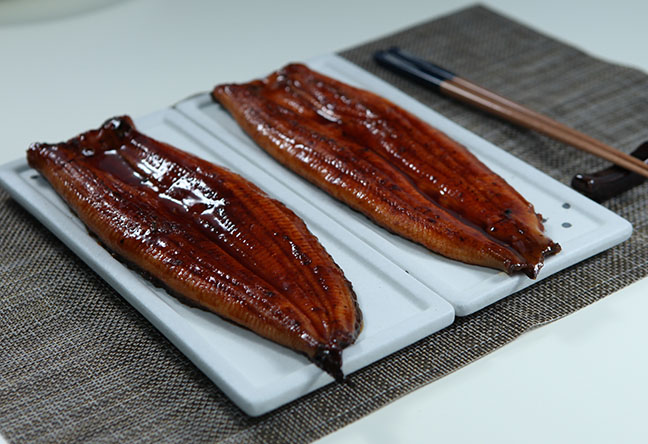
For consistent service, begin with dependable frozen unagi kabayaki and portion toppings separately. Restaurants and catering teams can then offer several menu variations while keeping the core preparation simple and familiar.
7 Unagi Bowl Toppings for More Variety
1. Sansho pepper and shredded shiso
Sansho is the traditional first choice for grilled eel. Its citrus-like aroma and subtle tingling quality balance the oiliness and sweetness of kabayaki sauce. Sprinkle it on just before serving so its fragrance stays bright.
Shiso brings a fresh herbal note and vivid green color. Slice the leaves into fine ribbons and scatter them over the eel rice bowl. This pairing suits a classic Japanese menu, especially when you want an aromatic finish without introducing another sauce.
2. Onsen tamago or a soft poached egg
A soft egg adds a creamy texture and gentle flavor. As the yolk runs into the rice, it blends with the eel sauce and gives the bowl a fuller mouthfeel. It is one of the most practical eel donburi ideas for breakfast service, casual dining, or a more substantial lunch portion.
For a cleaner presentation, place the egg beside the eel rather than directly over the fillet. The glossy dark glaze remains visible, and diners can mix the yolk into the rice themselves. Finish with a pinch of sansho or a few sliced scallions.
3. Pickled ginger, cucumber, or daikon
Pickled ingredients add acidity and crunch. Thin cucumber pickles, Japanese takuan, or lightly pickled daikon can offset a sweet sauce without taking up much space in the bowl. Pickled ginger is especially useful when the bowl includes richer additions, such as egg or mayonnaise-based toppings.
Keep the portion small. Pickles should refresh the palate between bites, not turn the donburi into a pickle dish. Pale yellow, pink, and white pickles also provide appealing color contrast in unagi meal presentation.
4. Scallions, toasted sesame, and nori
Scallions are affordable, versatile, and dependable. Their mild onion flavor lifts the dish, toasted sesame adds a gentle nuttiness, and crumbled nori brings a subtle seaweed aroma that naturally suits Japanese rice dishes.
All three are easy to portion in a foodservice setting. Add the nori at the last moment so it keeps some texture. For takeaway orders, pack it separately when possible, since steam from hot rice can soften it before the customer eats.
5. Avocado and cucumber
Avocado is not traditional in every unagi donburi, yet it works well on modern Japanese-inspired menus. Its creamy texture echoes the richness of the eel, while cucumber brings a cool, crisp contrast.
This combination is a good fit for contemporary bowls or fusion menus. Keep the slices neat and avoid adding another heavy glaze. Rice vinegar, a small splash of soy sauce, or a citrus-based seasoning provides enough brightness.
6. Seasonal vegetables
Vegetables make an eel rice bowl feel more complete and allow chefs to update the menu throughout the year. Consider blanched spinach, sautéed mushrooms, grilled asparagus, snap peas, lotus root, roasted pumpkin, or roasted eggplant. Each brings its own texture and color to the dish.
In spring and summer, cucumber, snap peas, and asparagus create a lighter impression. During cooler months, mushrooms, pumpkin, and eggplant make the bowl feel warmer and more substantial. When selecting eel rice bowl ingredients, choose vegetables that can be prepared in batches and held without losing too much texture.
A practical approach is to serve the vegetables in their own section of the bowl. This helps prevent the rice from becoming wet and makes portion control easier for restaurant teams.
7. Mentaiko, chili, or citrus accents
For customers who enjoy bolder flavors, spicy toppings can give the bowl a modern edge. A small amount of mentaiko, chili oil, shichimi togarashi, or yuzu kosho adds heat and aroma. Use a light hand, though; the eel should remain the main flavor.
Citrus offers another useful direction. A few drops of sudachi, yuzu, or lemon juice can brighten the sauce and cut through its sweetness. If fresh Japanese citrus is unavailable, lemon works well in a small quantity. Add it at service instead of mixing it into the sauce ahead of time.
How to Balance the Rice, Eel, and Toppings
The sauce is the key variable. Kabayaki sauce already brings sweetness, salt, and umami, so the remaining ingredients do not need to repeat those flavors at full strength. If the eel is heavily glazed, choose fresh herbs, pickles, or lightly seasoned vegetables. If the sauce is used sparingly, a soft egg or sesame garnish can add more depth.
Treat sauce as a finishing ingredient, not only a cooking liquid. A measured drizzle over the rice creates a clear visual link between the eel and the base. Keep extra eel sauce available for guests who prefer a stronger flavor.
Rice temperature also affects the final result. Hot, freshly prepared rice releases the aroma of the sauce, while cucumber, pickles, and herbs are best added at the end. The result is a pleasant hot-and-cool contrast in each bite.
Unagi Meal Presentation for Restaurants and Takeaway
Presentation begins with the bowl shape and portion layout. A wide, shallow bowl displays the eel and toppings clearly, while a deeper bowl holds heat for longer. Place the eel slightly off-center, then arrange colorful toppings in small sections instead of scattering everything at random.
For a standard menu, offer a base bowl with two or three topping options. For example:
- Classic bowl: eel, rice, sansho, scallion, and nori.
- Egg bowl: eel, rice, soft egg, shiso, and pickled ginger.
- Vegetable bowl: eel, rice, grilled seasonal vegetables, sesame, and citrus.
- Spicy bowl: eel, rice, cucumber, mentaiko or chili, and shredded nori.
These formats make the menu easier to explain and give customers clear choices. They also allow the kitchen to use the same eel portion across several dishes while changing only the garnish and side components.
For takeaway, separate wet toppings from the rice where practical. Pickles, nori, sauce, and herbs can be packed in small compartments or sachets. This protects texture and lets customers finish the bowl just before eating.
Choosing Eel Products for Donburi Service
Frozen unagi kabayaki suits menu planning because portions can be stored and prepared according to demand. Buyers should review fillet size, cut consistency, glaze coverage, packaging format, and cold-chain requirements before selecting a supplier.
Eelpro Co., LTD supplies frozen unagi kabayaki, eel sauce, frozen seafood, and freshwater eels for overseas buyers. Our kabayaki sauce guide explains how sauce creates the familiar grilled-eel profile without requiring every dish to use the same amount.
You can also expand an eel-focused menu beyond rice bowls. A warm noodle dish, for instance, can use smaller eel portions with broth and vegetables. See these eel recipes for noodle soup when planning more applications for the same product range.
FAQ: Eel Rice Bowl Toppings
What toppings go well with an eel rice bowl?
Good choices include sansho pepper, shiso, scallions, nori, toasted sesame, soft egg, pickled ginger, cucumber, daikon, mushrooms, and seasonal vegetables. Select toppings that add freshness, acidity, crunch, or color without covering the eel’s grilled flavor.
How do you balance flavors in an eel donburi?
Start with the sweetness and saltiness of the kabayaki sauce. Add fresh herbs, pickles, citrus, or crisp vegetables to provide contrast. If you use a rich topping such as egg or avocado, keep the sauce portion moderate and include a sharper garnish such as ginger or sansho.
What vegetables pair with unagi rice?
Cucumber, spinach, asparagus, snap peas, mushrooms, lotus root, eggplant, pumpkin, and daikon all work well. Choose vegetables based on the desired texture: cucumber and snap peas add crunch, while mushrooms, pumpkin, and eggplant make the bowl feel warmer and more substantial.
Can these toppings be used for a commercial donburi menu?
Yes. Pick three or four topping combinations that use overlapping ingredients. Scallions, nori, sesame, pickles, and seasonal vegetables are practical because they can serve several bowl styles. Standardized eel portions and measured sauce also help keep flavor and food cost consistent.
Build Your Next Donburi Menu with Eelpro
A well-planned eel rice bowl does not require a long ingredient list. The right combination of tender kabayaki eel, seasoned rice, fresh garnishes, and contrasting textures can create a dish that looks distinctive while remaining easy to serve. Contact Eelpro Co., LTD to discuss frozen unagi kabayaki, eel sauce, freshwater eels, and other frozen seafood for your market.
[xss_clean] { "@context": "https://schema.org", "@type": "FAQPage", "mainEntity": [ { "@type": "Question", "name": "What toppings go well with an eel rice bowl?", "acceptedAnswer": { "@type": "Answer", "text": "Good choices include sansho pepper, shiso, scallions, nori, toasted sesame, soft egg, pickled ginger, cucumber, daikon, mushrooms, and seasonal vegetables. Select toppings that add freshness, acidity, crunch, or color without covering the eel’s grilled flavor." } }, { "@type": "Question", "name": "How do you balance flavors in an eel donburi?", "acceptedAnswer": { "@type": "Answer", "text": "Start with the sweetness and saltiness of the kabayaki sauce. Add fresh herbs, pickles, citrus, or crisp vegetables to provide contrast. If you use a rich topping such as egg or avocado, keep the sauce portion moderate and include a sharper garnish such as ginger or sansho." } }, { "@type": "Question", "name": "What vegetables pair with unagi rice?", "acceptedAnswer": { "@type": "Answer", "text": "Cucumber, spinach, asparagus, snap peas, mushrooms, lotus root, eggplant, pumpkin, and daikon all work well. Choose vegetables based on the desired texture: cucumber and snap peas add crunch, while mushrooms, pumpkin, and eggplant make the bowl feel warmer and more substantial." } }, { "@type": "Question", "name": "Can these toppings be used for a commercial donburi menu?", "acceptedAnswer": { "@type": "Answer", "text": "Yes. Pick three or four topping combinations that use overlapping ingredients. Scallions, nori, sesame, pickles, and seasonal vegetables are practical because they can serve several bowl styles. Standardized eel portions and measured sauce also help keep flavor and food cost consistent." } } ] } [xss_clean]