

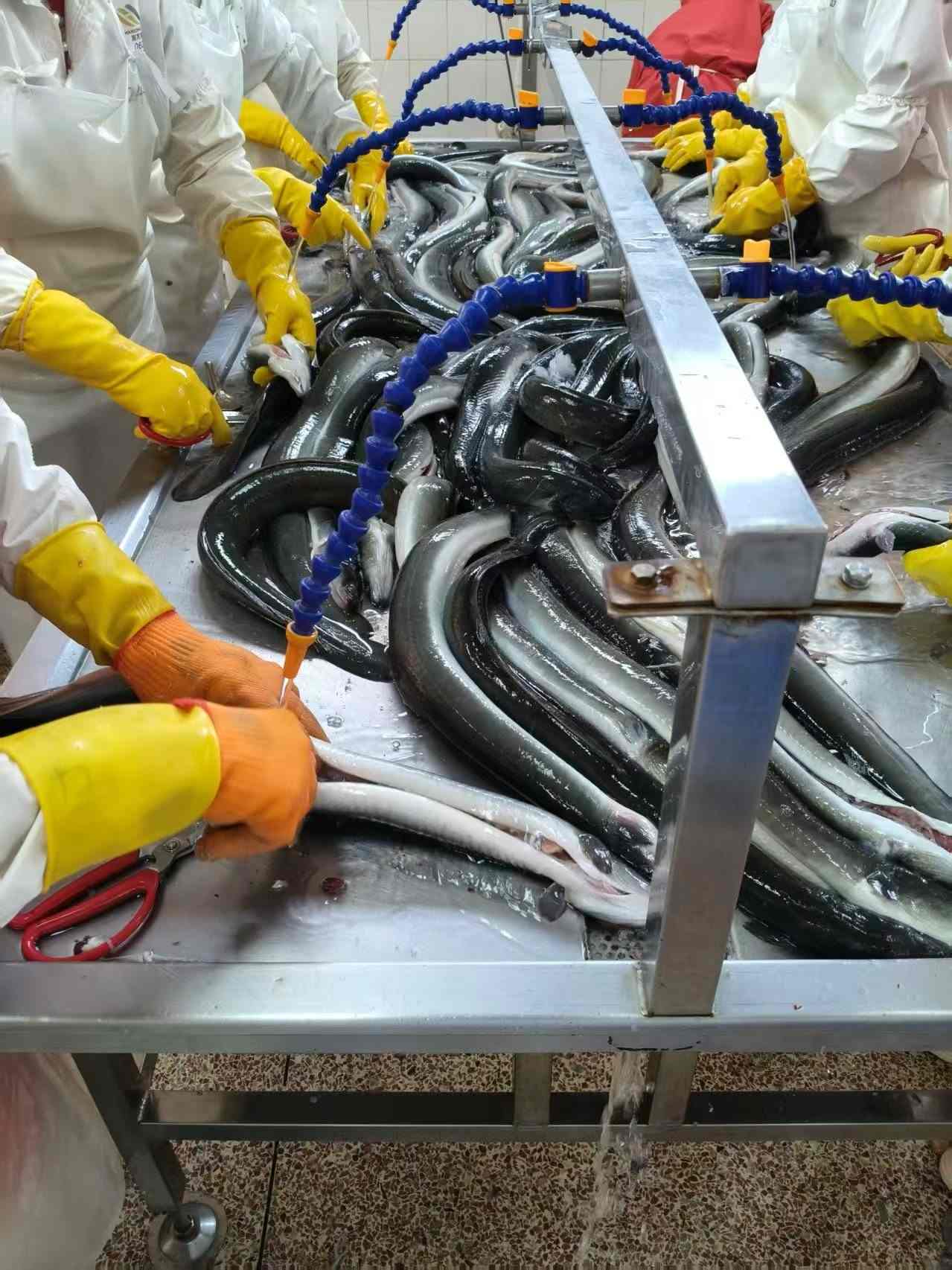
Grilled Eel Food Safety: Storage and Serving Guide
Grilled eel is a ready-to-serve seafood product, yet its safety and quality depend on what happens after cooking. Cooling, packaging, transport, reheating, and service all need careful control. For seafood distributors, restaurants, caterers, and international buyers, maintaining the right temperature at every stage is essential.
At Eelpro Co., LTD, we supply frozen unagi kabayaki, eel sauce, frozen seafood, and freshwater eels to overseas customers. This guide covers practical grilled eel safety procedures for commercial kitchens and distribution operations. Always treat the product label, your approved HACCP plan, and food regulations in the destination market as the final authority.

Why Temperature Control Matters for Grilled Eel
Cooked seafood can support bacterial growth when it stays too long within the temperature range often called the “danger zone.” The U.S. Food and Drug Administration Food Code defines this range as above 41°F (5°C) and below 135°F (57°C). Rules vary by country, but the basic principle remains the same: keep cold food cold, hot food hot, and minimize the time food spends in between.
When handling prepared unagi, staff should use a calibrated probe thermometer rather than relying on appearance or touch. Measure the thickest part of the eel, taking care not to touch the tray, bone, or packaging. Record receiving, storage, reheating, and holding temperatures whenever your food-safety program requires it.
Receiving frozen unagi kabayaki
- Check that the case is frozen solid, with no evidence of thawing and refreezing.
- Confirm the lot number, production date, best-before date, country-of-origin details, and storage instructions.
- Inspect inner packaging for tears, leaks, broken seals, or excessive ice crystals.
- Move the product into a suitable freezer promptly. Do not leave cases on a loading dock or in a warm vehicle.
A light layer of surface frost can occur during normal frozen distribution. However, heavy ice buildup, damaged cartons, or soft product should be investigated before the shipment is accepted.
Grilled Eel Storage: Chilled and Frozen Products
How long does grilled eel last in the refrigerator?
For cooked eel prepared in a commercial kitchen, a practical refrigerated limit is three to four days at 40°F (4°C) or below, provided it was cooled promptly and protected from contamination. This aligns with general USDA guidance for refrigerated leftovers, although local regulations or the manufacturer’s label may require a shorter period. A sealed, commercially produced product may have a different shelf life because of its processing method and packaging.
Once opened, treat the product as perishable. Mark the opening date and follow the shortest applicable date: the supplier’s instruction, your site policy, or the local legal limit. Do not rely on smell alone, as food may be unsafe even when there is no obvious odor or visible change.
Cold storage practices
- Keep refrigerated grilled eel at 41°F (5°C) or below, or at the temperature required by local food law.
- Store it in a clean, covered container or sealed food-grade pouch.
- Keep cooked eel below raw seafood, meat, and poultry to prevent drips and cross-contamination.
- Use date labels and first-expiry, first-out stock rotation.
- Do not place hot food directly into an overloaded refrigerator.
If a cooked portion is still hot, divide it into shallow containers to help it cool faster. Under many food codes, potentially hazardous food must cool from 135°F (57°C) to 70°F (21°C) within two hours, then to 41°F (5°C) within another four hours. Confirm the exact cooling limits for your operating location.
Frozen grilled eel storage
For frozen unagi kabayaki, follow the carton label and product specification. Commercial export programs commonly keep frozen seafood at -18°C (0°F) or colder, but the required temperature and shelf life should be confirmed for each product and market. Store cartons away from freezer doors, drying fans, and areas exposed to repeated temperature swings.
Freezing does not correct poor handling. It slows microbial growth, but it does not eliminate every risk. The cold chain must be maintained from the processor through the importer, warehouse, and final kitchen.
For product details, see our unagi kabayaki page. It can help when comparing portion sizes, packaging formats, and product specifications for foodservice purchasing.
How Should Grilled Eel Be Stored for Export?
Export storage must protect both food safety and eating quality. Before shipment, buyers and suppliers should agree on the product’s frozen or chilled status, target temperature, packaging, shelf life, transport duration, and temperature-monitoring method.
- Use suitable primary packaging. Vacuum pouches, sealed trays, or other approved food-contact packaging should prevent leakage and limit exposure to air.
- Pack into strong outer cartons. Cartons should withstand stacking, handling, condensation, and long-distance transport.
- Maintain the required cold chain. Use refrigerated or frozen transport that matches the product specification. Avoid unnecessary door opening.
- Place temperature indicators or data loggers where appropriate. A logger can help identify a temperature excursion during ocean or air freight.
- Check documents before dispatch. Commercial invoices, packing lists, health certificates, lot information, labeling, and import permits may be required by the destination country.
- Inspect on arrival. Record product temperature, carton condition, seal condition, and any evidence of thawing before moving stock into the warehouse.
Do not refreeze thawed grilled eel unless the product specification and local food-safety authority permit it. Refreezing can affect texture and may conceal an earlier cold-chain failure. If a shipment arrives outside its agreed temperature range, quarantine the affected lot and contact the supplier or quality team.
Safe Thawing, Reheating, and Prepared Unagi Handling
For the best control, thaw frozen eel in a refrigerator at 41°F (5°C) or below. Keep the pouch or tray contained so liquids cannot drip onto ready-to-eat foods. A microwave or another rapid-thawing method may be used only when the eel will be cooked immediately afterward and the product instructions allow it.
Never thaw frozen eel on a counter. The outside can warm into the bacterial growth range while the center remains frozen.
Reheating procedures
- Follow the supplier’s cooking instructions for oven, grill, steamer, or microwave use.
- Reheat only the quantity needed for the service period.
- For foodservice reheating, heat the thickest portion to at least 165°F (74°C) when required by the applicable food code.
- Check several pieces from a large batch rather than testing only the piece closest to the heat source.
- Do not repeatedly cool and reheat the same portions.
Commercially cooked, sealed products may have different reheating instructions. Some are designed to be warmed gently, as excessive heat can dry the flesh or burn the kabayaki glaze. Safety and quality need to be managed together: reach the required internal temperature without keeping the eel warm for an extended period.
For a sauce pairing, our eel sauce can be portioned separately and heated in a clean container. Never dip cooked eel into sauce that has touched raw seafood unless the sauce is subsequently cooked to a safe temperature.
Eel Serving Temperature and Hot-Holding Controls
What temperature should grilled eel reach when served?
For reheated commercial food, the thickest part of the grilled eel should reach at least 165°F (74°C) when that standard applies to your operation. After reheating, hot-held food is commonly maintained at 135°F (57°C) or above under the FDA Food Code. Local regulations may set a different limit, so confirm the requirement with your food-safety manager.
Do not confuse a pleasant eating temperature with a safe reheating temperature. Eel may be served at a comfortably warm temperature, but the reheating step must still meet the applicable food code. Verify with a thermometer, then serve without unnecessary delay.
For plated dishes such as unagi don, sushi-bar rice bowls, or eel noodle soup, keep the rice and other toppings under the same time and temperature controls as the eel. Our eel recipes offer serving ideas, but each kitchen must still follow its own approved holding procedures.
Grilled Eel Safety: Preventing Cross-Contamination
Grilled eel is normally ready to eat after reheating, so clean handling is especially important. Use separate utensils for raw and cooked seafood, wash hands before portioning, and sanitize preparation surfaces between tasks.
- Keep cooked eel covered during display and service.
- Use clean tongs or spatulas for each service container.
- Do not place cooked pieces back on a tray that held raw eel.
- Replace serving utensils if they fall below the counter or touch an unclean surface.
- Protect opened sauce containers from splash, dust, and contact with used utensils.
When using a grill, clean the cooking surface before preparing ready-to-eat eel. Residue from raw seafood can contaminate the finished product. Keep allergen information available when the dish contains soy sauce, sesame, wheat, or other regulated ingredients.
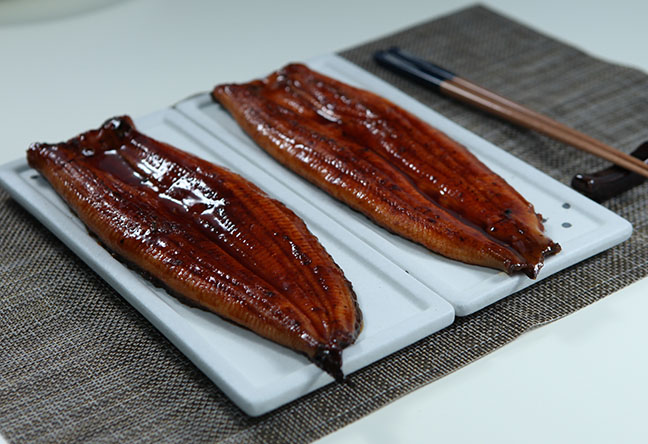
Quality Checks Before Service
Food safety comes first, but quality checks can also reveal handling issues. Look for intact packaging, normal color, firm flesh, and a clean kabayaki aroma. Excessive dryness, freezer burn, leaking sauce, or a sour odor should be reported and assessed rather than hidden with extra sauce.
Our article on kabayaki sauce explains how glaze contributes to flavor and appearance. Sauce should enhance the dish, not conceal a product that has been mishandled.
Practical Checklist for Buyers and Foodservice Teams
- Confirm whether the product is frozen, chilled, or ready to reheat.
- Request the product specification, storage temperature, shelf life, and reheating instructions.
- Set receiving limits and a procedure for temperature excursions.
- Use calibrated thermometers and retain temperature records where required.
- Train staff in thawing, cooling, reheating, hot holding, and cross-contamination prevention.
- Keep lot numbers linked to delivery records and menu production dates.
Reliable grilled eel service starts well before the carton reaches the kitchen. Eelpro Co., LTD supports overseas buyers with frozen unagi kabayaki, eel sauce, freshwater eels, and other frozen seafood products. Contact us about unagi kabayaki products, packaging, and export requirements for your market.