





Grilled eel brings rich flavor, a tender bite, smoky aroma, and broad menu potential to foodservice. For chefs and product developers, these characteristics influence portioning, sauce selection, reheating methods, and plating.
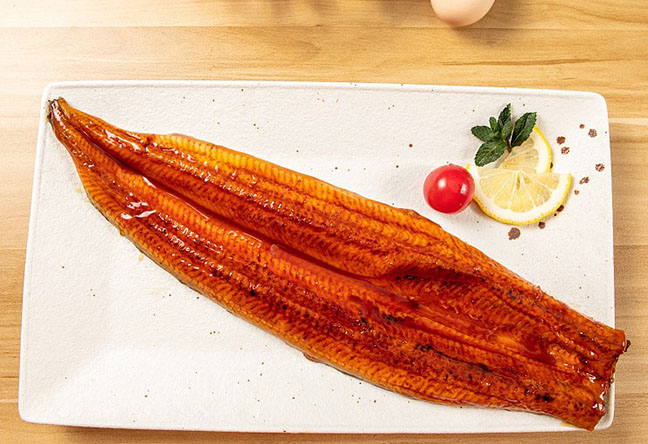
In Japanese cuisine, freshwater eel is commonly prepared as unagi kabayaki. The eel is filleted, grilled, brushed with a sweet-savory tare, then grilled again. This method creates a glossy, caramelized surface while helping the sauce cling to the fish. The finished eel suits rice bowls, sushi, noodle dishes, bento meals, sandwiches, and contemporary seafood plates.
For overseas buyers, a clear understanding of the sensory profile makes menu planning easier. A product that performs well in a donburi, for example, may require a different portion size, garnish, or holding method for a buffet or ready-meal line.
The grilled eel flavor is savory, rich, and naturally fatty, with sweetness coming from kabayaki sauce. Freshwater eel contains more oil than many lean white-fish products, giving it a fuller mouthfeel after cooking. That fat also carries seasoning well, so even a moderate layer of sauce can make a strong flavor impression.
Plain grilled eel has a mild fish flavor, rather than the sharper character associated with some oily marine fish. When properly cleaned and cooked, it tastes soft, savory, and faintly sweet. The exact profile varies with eel species, size, fat content, trimming, and cooking method.
For product developers, this makes eel a versatile base for different sauce systems. A traditional tare supports Japanese menu positioning, while a chili glaze, citrus dressing, black pepper sauce, or miso-based coating can take the same protein in a different culinary direction.
Kabayaki sauce commonly combines soy sauce, sugar, and mirin or a similar sweet cooking wine, though recipes vary by manufacturer and market. It contributes salt, sweetness, color, and roasted depth during grilling. Repeated brushing creates a lacquered coating instead of a thin layer of seasoning.
Our eel sauce is designed for practical foodservice use, including rice bowls, sushi toppings, grilled seafood, and recipe development. Buyers can fine-tune the finished taste by adjusting the amount used before heating and the amount added as a finishing sauce.
Unagi texture is one of the main reasons grilled eel occupies a distinct place on menus. The flesh is tender and moist, with a soft flake that feels richer than cod, pollock, or tilapia. It is not as firm as grilled salmon, nor does it have the dense chew of squid or octopus.
When cooked properly, eel separates easily with a fork while still holding together on the plate. That balance matters in commercial kitchens. A rice bowl needs a portion that remains intact during assembly, while a sushi topping needs a slice that cuts cleanly and can be placed without falling apart.
Overheating can dry the surface and reduce the soft mouthfeel buyers expect from unagi. Short reheating is usually better than extended high-heat cooking, especially when the product has already been grilled and sauced. Foodservice teams should follow supplier heating instructions, then validate the results with their own equipment.
Microwave, oven, salamander, griddle, and combi-oven reheating all produce different results. Covered heating can help limit moisture loss. A brief exposure to direct heat restores surface gloss and roasted notes, but too much heat can harden the edges.
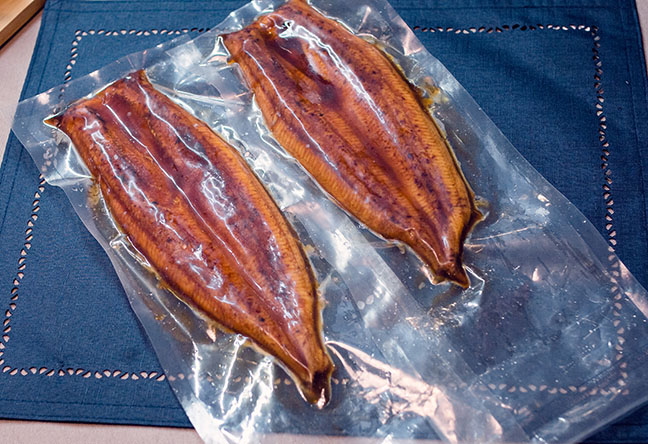
For frozen unagi kabayaki, consistent piece thickness and portion weight can simplify preparation. Eelpro’s unagi kabayaki can support menu formats that need ready-seasoned eel and controlled preparation time.
Grilled eel aroma comes from several layers: the natural scent of cooked eel, surface browning, and the fragrance released as the sauce’s sugars and proteins heat. The finished aroma is savory, sweet, and lightly smoky. In many cases, customers notice it before the dish reaches the table.
Direct grilling produces a stronger roasted character than gentle steaming or covered reheating. As the sauce thickens on the surface, it develops a caramel-like fragrance. This is one reason kabayaki works well in open kitchens, where aroma can shape a customer’s first impression of the dish.
Aroma also matters when choosing packaging. In hot restaurant service, the smell can be an advantage. For chilled retail or delivery, however, the team may need packaging that limits leakage and protects the sauce coating. When possible, reheat the product close to service time.
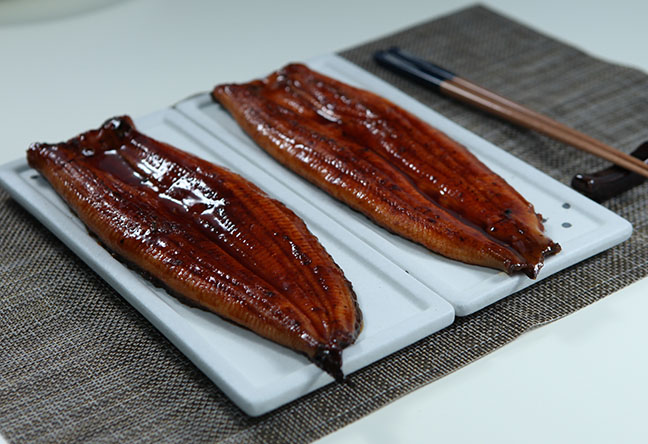
Eel menu applications extend from traditional Japanese dishes to fusion and fast-casual formats. Its rich taste allows a simple plate to feel satisfying, while its soft texture appeals to customers who prefer tender seafood.
Unadon and unajyu are classic examples. The eel is served over steamed rice, often with extra tare, sansho pepper, and pickles. On a commercial menu, portion size can be matched to the price point. A smaller serving works well in a lunch bowl with egg, vegetables, or miso soup, while a larger fillet can become a premium signature dish.
Rice also balances the salt and sweetness of the sauce. Short-grain rice is traditional, but jasmine rice, brown rice, and mixed grains can support regional menu concepts.
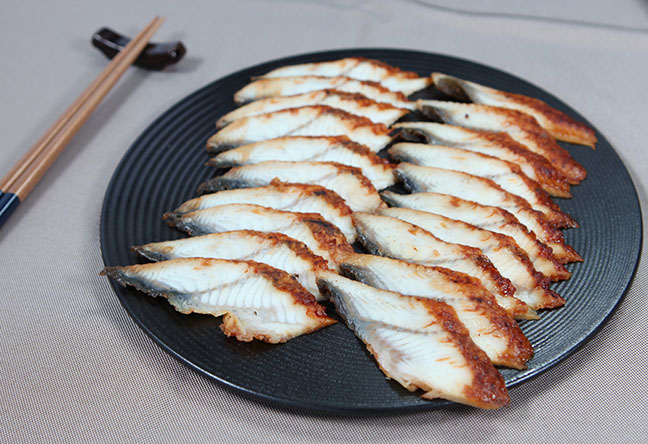
Grilled eel is widely used in sushi rolls, nigiri-style toppings, and hand rolls. Its soft flesh pairs naturally with sushi rice, nori, cucumber, avocado, and egg. Because the fish is already cooked, it is a practical choice for menus that do not use raw seafood in every item.
Sliced eel adds fat, color, and protein to udon, soba, ramen-inspired bowls, and noodle soups. Add it near the end of preparation so the pieces keep their shape. Our guide to eel recipes offers a useful starting point for noodle-based applications.
For small plates, serve grilled eel with cucumber, pickled daikon, shredded cabbage, or a light citrus dressing. The acidity cuts through its fatty mouthfeel. In a sandwich or bao, pair eel with crunchy vegetables and use sauce sparingly to keep the bread from becoming overly sweet.
Product developers can also test eel in sushi burritos, rice paper rolls, loaded fries, or grain bowls. These formats work best when the sauce level is controlled. Too much tare can mask the fish and make the overall dish feel heavy.
When deciding what dishes pair well with grilled eel, think about contrast. The fish brings richness, sweetness, and softness, so supporting ingredients can add freshness, acidity, texture, or mild heat.
Pairings should also reflect the sauce. A sweet tare calls for cleaner, brighter side dishes, while a lightly seasoned grilled eel portion can carry stronger garnishes. For buyers developing a house sauce, our article on kabayaki sauce explains how sauce influences the finished dish.
Before approving a frozen eel product, foodservice buyers should assess more than taste. Record portion weight, fillet size, sauce coverage, thawing requirements, reheating time, yield, and holding performance. Compare the product in at least two menu formats, such as a rice bowl and a sushi roll.
Ask how the eel is packed and whether pieces are individually separated or grouped. This can affect prep labor. Also review the product specification for species, origin, net weight, storage temperature, glazing, cooking status, and shelf-life information.
During a tasting, evaluate the product at serving temperature rather than immediately after it leaves the heating equipment. Check the first bite, the center texture, the edges, and the sauce after five to ten minutes of holding. These practical details often matter more than a single tasting note.
Eelpro Co., LTD supplies frozen unagi kabayaki, eel sauce, frozen seafood, and freshwater eel products for overseas buyers. We work with importers, distributors, restaurants, and food manufacturers that need products suited to specific menu or processing requirements.
Grilled eel tastes savory, mildly sweet, and rich. Its natural flavor is relatively mild, while kabayaki sauce adds soy-based saltiness, sweetness, color, and roasted notes. The final taste also depends on the eel’s fat content and how much sauce is applied.
Grilled eel is softer and more moist than many lean white fish, such as cod or pollock. It has a tender, fatty mouthfeel and separates easily when properly heated. Compared with salmon, it is generally less firm and can feel more delicate, especially after sauce and reheating.
Grilled eel pairs well with steamed rice, sushi rice, soba, udon, cucumber, scallion, pickled ginger, daikon, nori, sansho pepper, and citrus-based garnishes. Fresh or acidic sides help balance the eel’s richness and the sweetness of kabayaki sauce.
Use the supplier’s instructions and validate them with your own equipment. Short, controlled reheating usually helps protect the tender texture. Avoid prolonged high heat, which can dry the surface and harden the edges. A brief finishing heat can restore sauce gloss and grilled aroma.
Grilled eel gives menu developers a useful combination of rich flavor, tender unagi texture, smoky aroma, and flexible portioning. To develop rice bowls, sushi, noodle dishes, or fusion products, contact Eelpro Co., LTD about our frozen unagi kabayaki, eel sauce, and freshwater eel supply options.



 WhatsApp
 sales@chinaeels.com
 +8619937922411