





Japanese eel and unagi are closely related terms, yet they do not always mean precisely the same thing. For importers, distributors, and foodservice buyers, the distinction matters when reviewing product specifications, species declarations, and packaging.
In everyday food terminology, unagi usually refers to freshwater eel used in Japanese cuisine. Japanese eel, by contrast, can refer specifically to the species Anguilla japonica. In some cases, the two terms describe the same product. In others, they do not.
The Japanese eel meaning is clearest when you consider the context.
Anguilla japonica is one species within the genus Anguilla. Other freshwater eel species traded commercially include European eel (Anguilla anguilla), American eel (Anguilla rostrata), and shortfin eel (Anguilla australis). These are not the same species as Anguilla japonica, although buyers may see them described as freshwater eel or unagi-style eel.
That difference matters on a purchase order. “Unagi fillet” indicates a food format or culinary use. “Anguilla japonica” identifies the species.
Often, but not by default.
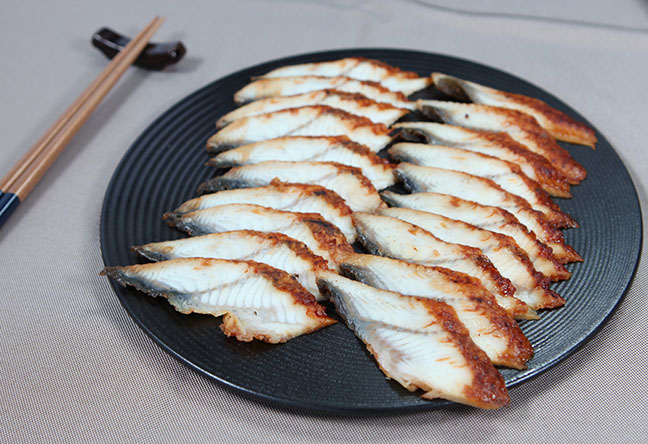
In Japan and on Japanese restaurant menus abroad, unagi commonly means freshwater eel, particularly eel grilled in the kabayaki style with a sweet-savory tare sauce. When the raw material is Anguilla japonica, the product can accurately be described as Japanese eel unagi.
However, “unagi” is not always a scientific species declaration. Depending on local labeling rules and the product specification, a manufacturer may use the term for an eel product made from another Anguilla species. The package should therefore provide more than the culinary name alone.
For buyers comparing suppliers, ask for:
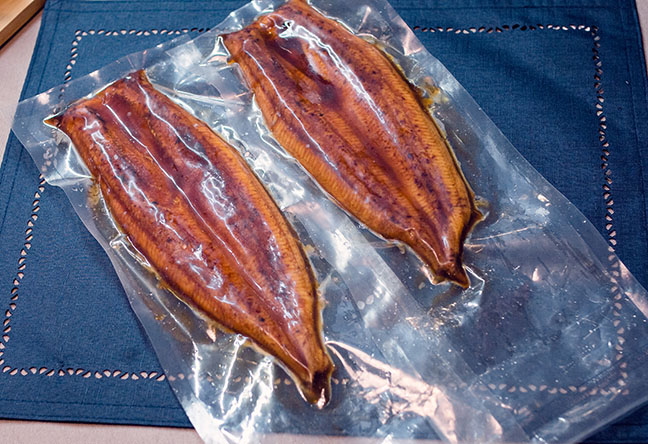
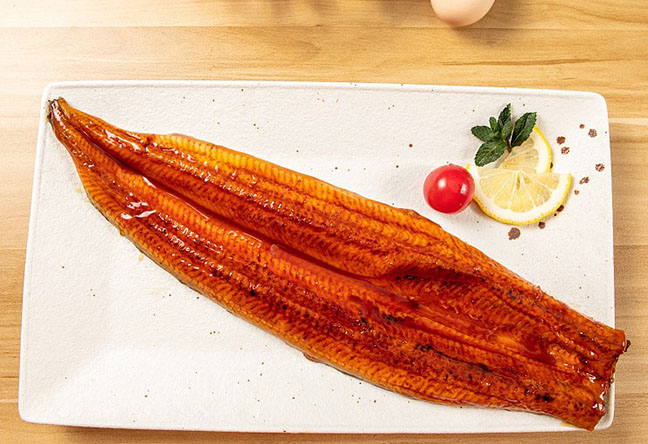
Our unagi kabayaki product information is helpful when reviewing the difference between a species description and a finished food format. Kabayaki identifies the preparation style; the technical specification should identify the raw material.
The key distinction in unagi vs anago comes down to habitat and taxonomy.
| Term | Common meaning | Typical scientific reference | Buyer note |
|---|---|---|---|
| Unagi | Freshwater eel used in Japanese food | Often an Anguilla species | Confirm the exact species on the specification |
| Japanese eel | A named eel species | Anguilla japonica | Do not treat this term as a general name for every eel |
| Anago | Conger eel, generally a marine eel | Often Conger myriaster in Japanese food markets | It is not the same fish as freshwater unagi |
Anago usually refers to conger eel. In Japanese cuisine, it is commonly associated with the whitespotted conger, Conger myriaster, though the exact commercial species reference can vary by market and product. Conger eels are marine eels. Anguilla eels, meanwhile, are generally known as freshwater eels because they grow in rivers, lakes, and coastal waters during much of their life cycle.
Japanese eel is a species term: Anguilla japonica. Unagi is primarily a Japanese culinary and commercial term for freshwater eel. A product made from Anguilla japonica can be both Japanese eel and unagi, but a product labeled only “unagi” does not, on its own, confirm that it contains Anguilla japonica.
For this reason, unagi vs anago is more than a translation question. Anago is a different type of eel, and substituting it for unagi can alter the product specification, menu description, and customer expectation.
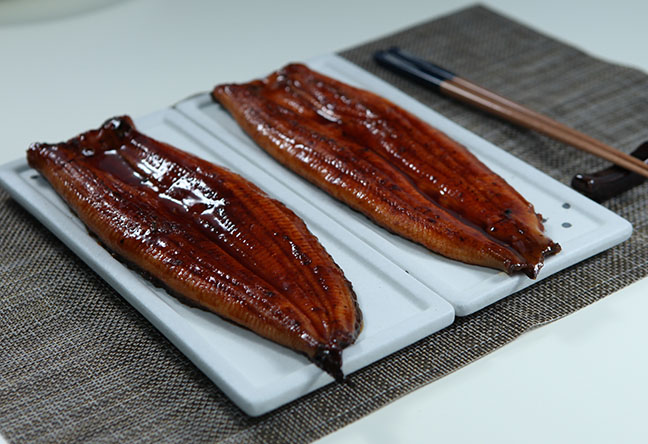
Several freshwater eel species enter international trade. A menu may simply say “unagi,” while the species listed on a commercial document may be different.
This is the scientific species generally meant by Japanese eel. It is associated with East Asian markets, including Japan, China, Korea, and Taiwan. If a buyer requires Japanese eel in the strict biological sense, the specification should state Anguilla japonica, not only “unagi.”
European eel is a separate species. It may be sold as freshwater eel or used in eel products, but it should not be declared as Japanese eel.
American eel is another distinct species. It is also a freshwater eel and may be relevant to buyers sourcing through North American supply chains.
Shortfin eel and longfin eel are examples of other commercial freshwater eel species. Product names vary by country, which makes the scientific name the most reliable point of comparison.
We recommend including the required species directly in the inquiry. For example: “Please quote frozen eel fillets, species Anguilla japonica, kabayaki style, 10 kg master carton.” This reduces the risk of an unintended substitution between a culinary category and a scientific species.
Unagi labeling requirements vary by destination market. A label accepted in one country may not meet the requirements of another. Before printing retail packaging, importers should confirm local rules with the food authority, customs broker, or regulatory adviser.
For a professional review, check these areas:
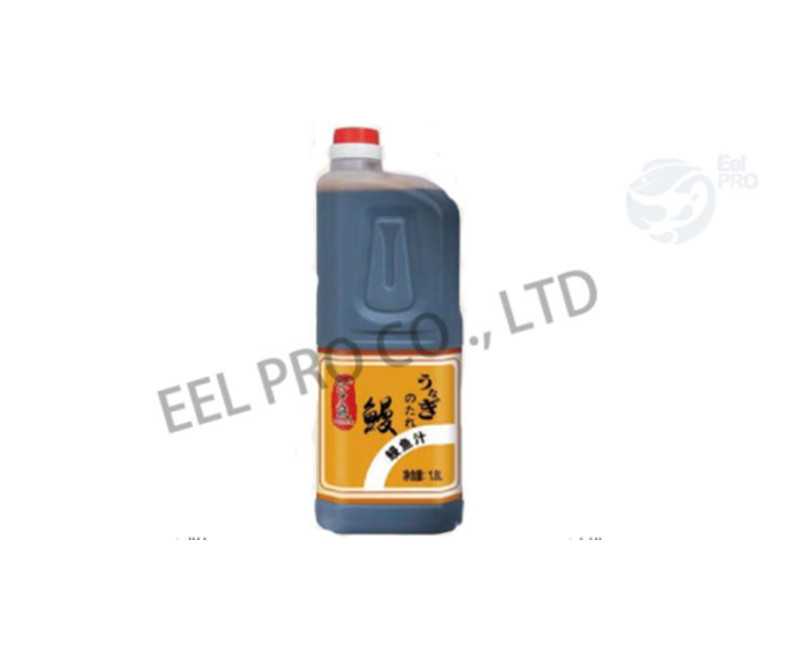
“Kabayaki” is not a species name. It describes eel that has been cut, grilled, and commonly seasoned with tare. The eel sauce used in a product can be specified separately from the eel species. Buyers assessing flavor consistency may also find our article on kabayaki sauce useful.
For foodservice, the distinction is just as practical. A menu may use “unagi don” for a rice bowl, but the purchasing file should still record the species, portion size, cooking state, and sauce format. This gives the kitchen and quality team a clear reference when repeat orders arrive.
The safest approach is to separate three types of information: species, product, and preparation.
A clear buyer specification might read: “Frozen Japanese eel fillets, Anguilla japonica, kabayaki style, cooked, seasoned with eel sauce, individually packed.” The final legal wording must still follow the destination country’s rules, but this format helps both sides discuss the same item.
Do not rely on photographs alone. Similar eel products can look nearly identical after trimming, grilling, and saucing. Request the product specification, ingredient list, certificate documents where required, and a label proof before confirming a commercial shipment.
If your business needs a different format, such as plain frozen eel, cooked portions, or other eel recipe applications, describe the intended use and sales channel at the inquiry stage. A restaurant chain, wholesale distributor, and retail brand may each require different pack sizes and declarations.
Confusing Japanese eel, unagi, and anago can create avoidable problems. A distributor may order unagi but receive a specification that does not identify the species. A retailer may print “Japanese eel” when the ingredient is another Anguilla species. A foodservice buyer may compare anago pricing with unagi pricing even though the products use different raw materials and occupy different market positions.
Clear terminology supports more accurate quotation comparisons. It also helps with allergen review, customer communication, menu accuracy, and import documentation. If the contract calls for a particular species, include the scientific name in the purchase specification and confirm it on the supplier’s documents.
Japanese eel normally means Anguilla japonica, while unagi is the Japanese culinary term most often used for freshwater eel. Anago generally refers to marine conger eel, not the same fish. For buyers, the scientific name, product format, and preparation style should appear as separate pieces of information.
Eelpro Co., LTD supplies frozen unagi kabayaki, eel sauce, freshwater eels, and frozen seafood for overseas buyers. Contact us with your required species, pack size, sauce specification, and destination market so we can prepare a suitable product quotation.


 WhatsApp
 sales@chinaeels.com
 +8619937922411