What Unagi Means and Why Restaurant Buyers Keep Getting the Menu Terms Wrong
A customer orders "unagi" and gets served something that tastes off, texture wrong, price wrong. Nine times out of ten, the menu was mislabeled — or the buyer sourcing it didn't know what they were actually paying for. Unagi means freshwater eel in Japanese, specifically the species used in grilled eel dishes like kabayaki. That single word carries a lot of weight on a menu, and getting it wrong costs restaurants money and reputation.
This matters more than it sounds. Menu planners who confuse unagi with anago (saltwater conger eel) end up quoting wrong prices to guests, mismanaging supplier expectations, or worse — serving something that isn't what the menu promised. If you're sourcing frozen eel product for a menu, or you're writing menu copy for a Japanese-inspired concept, you need the terminology straight before you place an order.
What Does Unagi Mean on a Menu, Exactly
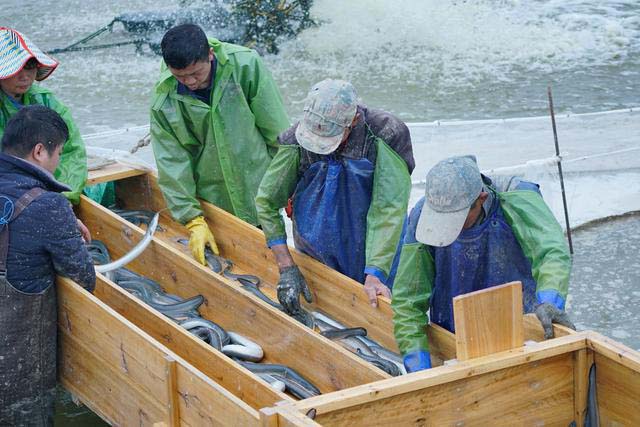
On a Japanese menu, unagi (鰻) refers specifically to freshwater eel, most commonly Japanese eel (Anguilla japonica) or, increasingly, farmed alternatives like American or European eel species raised in aquaculture. It is almost always prepared grilled, and it almost always appears with a sweet-savory glaze called tare (eel sauce).
Here's the practical breakdown of what you'll see printed next to the word "unagi":
- Unagi kabayaki — eel that's been butterflied, deboned, grilled, and basted repeatedly with tare sauce until it develops a lacquered, caramelized surface.
- Unagi don / unadon — kabayaki served over a bowl of steamed rice.
- Unaju — the same dish, but served in a lacquered box instead of a bowl, usually a higher price point.
- Unagi sushi / unagi nigiri — a slice of kabayaki eel laid over vinegared rice, often lightly torched.
- Hitsumabushi — a Nagoya-style presentation where diced kabayaki eel is served over rice with broth, scallions, and wasabi added in stages.
If a menu lists "eel" without qualification, ask which species. That single question prevents most sourcing disputes before they start.
Unagi vs Anago: The Difference That Actually Matters
This is where most confusion happens, and it's an easy fix once you know the checkpoints.
| Feature | Unagi | Anago |
|---|---|---|
| Habitat | Freshwater eel, born at sea but raised in rivers/ponds | Saltwater conger eel, lives in ocean |
| Fat content | Higher fat, richer flavor | Leaner, milder flavor |
| Common prep | Grilled with tare (kabayaki), often over rice | Usually simmered or lightly grilled, common in sushi |
| Menu price tier | Typically higher priced | Typically lower priced |
| Texture | Firmer, denser bite | Softer, more delicate |
The practical rule: if the menu says unagi, expect a richer, fattier bite and a higher price. If it says anago, expect something leaner and usually cheaper. Restaurants that swap one for the other without disclosure are cutting corners — and buyers who don't know the difference can get overcharged for anago dressed up as unagi, or undercharged suppliers who deliver anago when unagi was ordered.
How to Read Unagi Menu Labels Without Confusing Them With Anago
This is the section every menu planner and line cook should bookmark. Here's a step-by-step way to check labels, packaging, and dish names before you commit to a supplier or print a menu.
Step 1: Check the Japanese characters, not just the romanization
Unagi is written 鰻 or うなぎ. Anago is written 穴子 or あなご. If a supplier's spec sheet or import label only says "eel" in English, ask for the Japanese term or the Latin species name. Failure reason: many overseas suppliers use "eel" generically, which hides the species difference entirely.
Step 2: Match the preparation name to the species
Kabayaki (grilled with tare glaze) is almost always applied to unagi. If you see "anago kabayaki," it exists but is less common — double-check with the supplier rather than assuming. Failure reason: menu writers sometimes borrow "kabayaki" as a generic term for any glazed grilled fish, which misleads guests expecting freshwater eel.
Step 3: Look at the price point printed on the supplier quote
Unagi typically costs more per kilogram than anago because of farming time and yield. If a quote for "unagi kabayaki" comes in unusually low compared to market benchmarks, ask directly whether the product is 100% freshwater eel or a blend. Failure reason: buyers assume price reflects marketing, not species, and get surprised at delivery.
Step 4: Confirm the dish format matches the term
Unadon, unaju, and hitsumabushi are unagi-specific formats. Anago typically shows up as sushi topping or in tempura, rarely in a rice-bowl format under those three names. Failure reason: some menus mislabel anago nigiri as "unagi style," which is a marketing shortcut, not accuracy.
Step 5: Verify with your supplier's product documentation
Ask for species identification on the packaging or spec sheet. A trustworthy supplier will confirm whether the product is freshwater eel (unagi) and specify the preparation method, like frozen unagi kabayaki pre-glazed and ready to reheat. Failure reason: skipping this step is the single most common reason restaurants get species substitution complaints from guests.
Common Mistakes When Sourcing or Menu-Writing With Unagi Terms
- Mistake: Writing "unagi" on the menu but sourcing anago to cut cost. Guests who know the difference will notice the leaner texture and complain.
- Mistake: Assuming "eel sauce" and "unagi tare" are different products. They're the same sauce category — a soy, mirin, sugar glaze reduction used for basting and finishing. See our notes on kabayaki sauce quality for how glaze consistency affects plating.
- Mistake: Ordering "unagi" without specifying frozen vs. fresh. Most import supply chains run frozen for shelf stability; confirm cold-chain handling before your first order.
- Mistake: Confusing "unagi sushi" with "unagi sashimi." Eel is never served raw — it's always cooked first, unlike typical sashimi cuts. This is a food-safety issue, not just terminology.
- Mistake: Skipping supplier traceability. Ask where the eel was farmed; freshwater eel farming practices vary widely by region.
A Practical Scenario: Building an Unagi Section for a New Menu
Say you're a menu planner adding three eel dishes: unadon, unagi nigiri, and a hitsumabushi special. Here's a workable checklist before finalizing supplier orders:
- Confirm the species on your supplier's spec sheet says freshwater eel, not "eel" generically.
- Request a sample of frozen kabayaki to test glaze thickness and thaw yield before bulk ordering.
- Check whether the tare sauce is included pre-glazed or shipped separately — this affects your kitchen prep time.
- Calculate portion cost: unagi typically runs higher per portion than anago, so price your unadon and unaju accordingly.
- Print menu descriptions that name the preparation clearly, e.g. "Grilled Unagi Kabayaki over Rice," so guests know exactly what they're ordering.
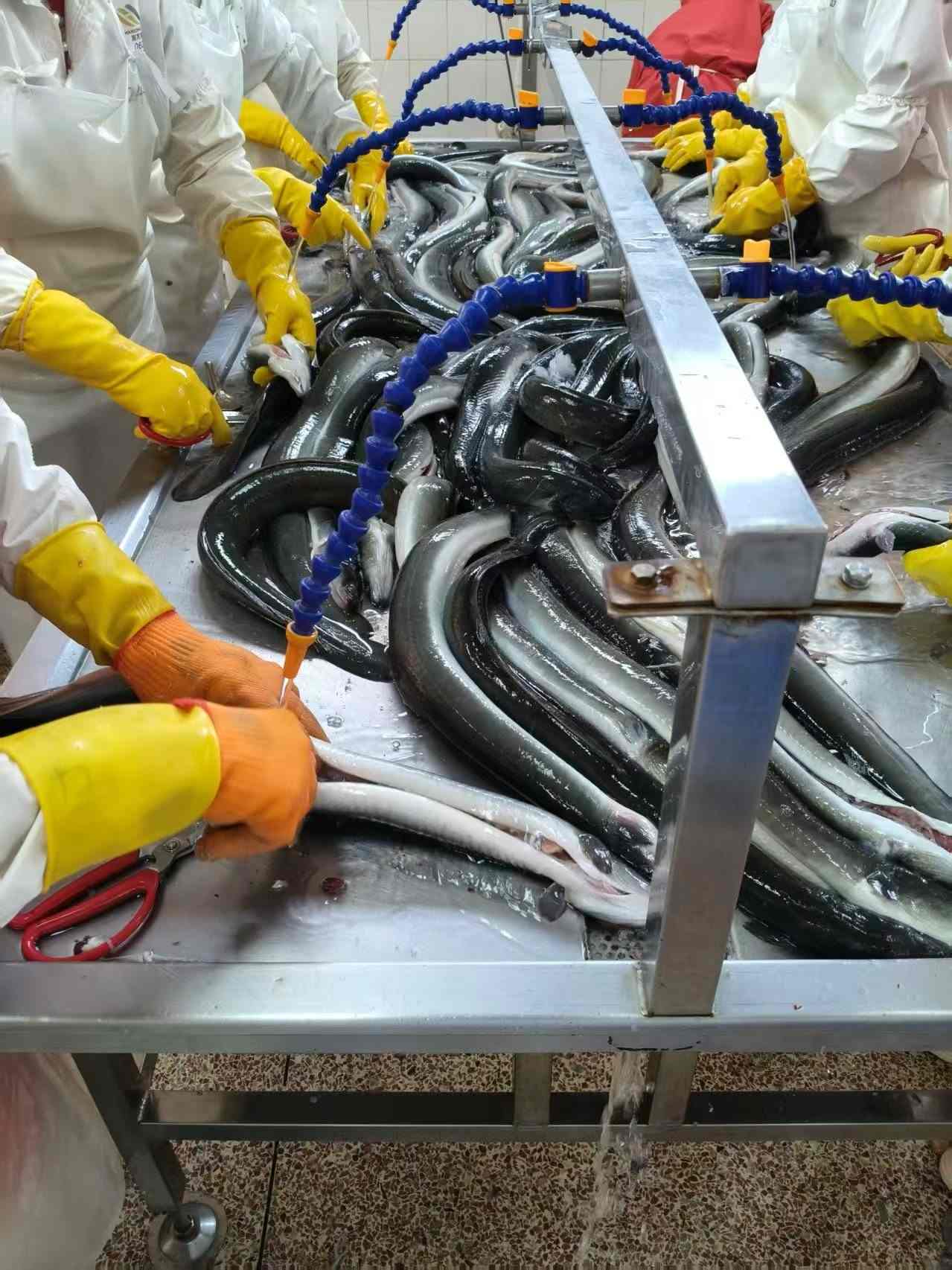
This approach keeps your menu language accurate and prevents the kind of substitution complaints that hurt repeat business. For back-of-house reference, our eel cleaning and deboning guide is useful training material for kitchen staff unfamiliar with whole eel prep, even if you're working from pre-processed frozen kabayaki.
Frequently Asked Questions
What does unagi mean on a menu?
It means freshwater eel, almost always prepared as kabayaki — grilled and glazed with tare sauce. If the menu doesn't specify freshwater vs. saltwater, ask directly.
How to identify unagi on Japanese menus?
Look for the characters 鰻 or うなぎ, or dish names like unadon, unaju, and hitsumabushi. These formats are unagi-specific and rarely used for anago.
What is the difference between unagi and anago?
Unagi is freshwater eel, richer and fattier, usually grilled with tare glaze. Anago is saltwater conger eel, leaner, milder, and more common in sushi toppings. According to the Food and Agriculture Organization, freshwater eel aquaculture (unagi farming) is a significant part of global eel production, distinct from wild-caught conger eel fisheries.
Sourcing Unagi Kabayaki and Eel Sauce for Your Menu
Eelpro Co., LTD supplies frozen unagi kabayaki, unagi tare (eel sauce), and freshwater eel product for restaurant and food-service buyers. If you're building a menu around eel sauce and grilled eel dishes, our team can walk through species specification, frozen shelf life, and portioning before you commit to a bulk order.
Want a sample pack or spec sheet before your next menu update? Send us your dish concepts and we'll recommend the right product format.