

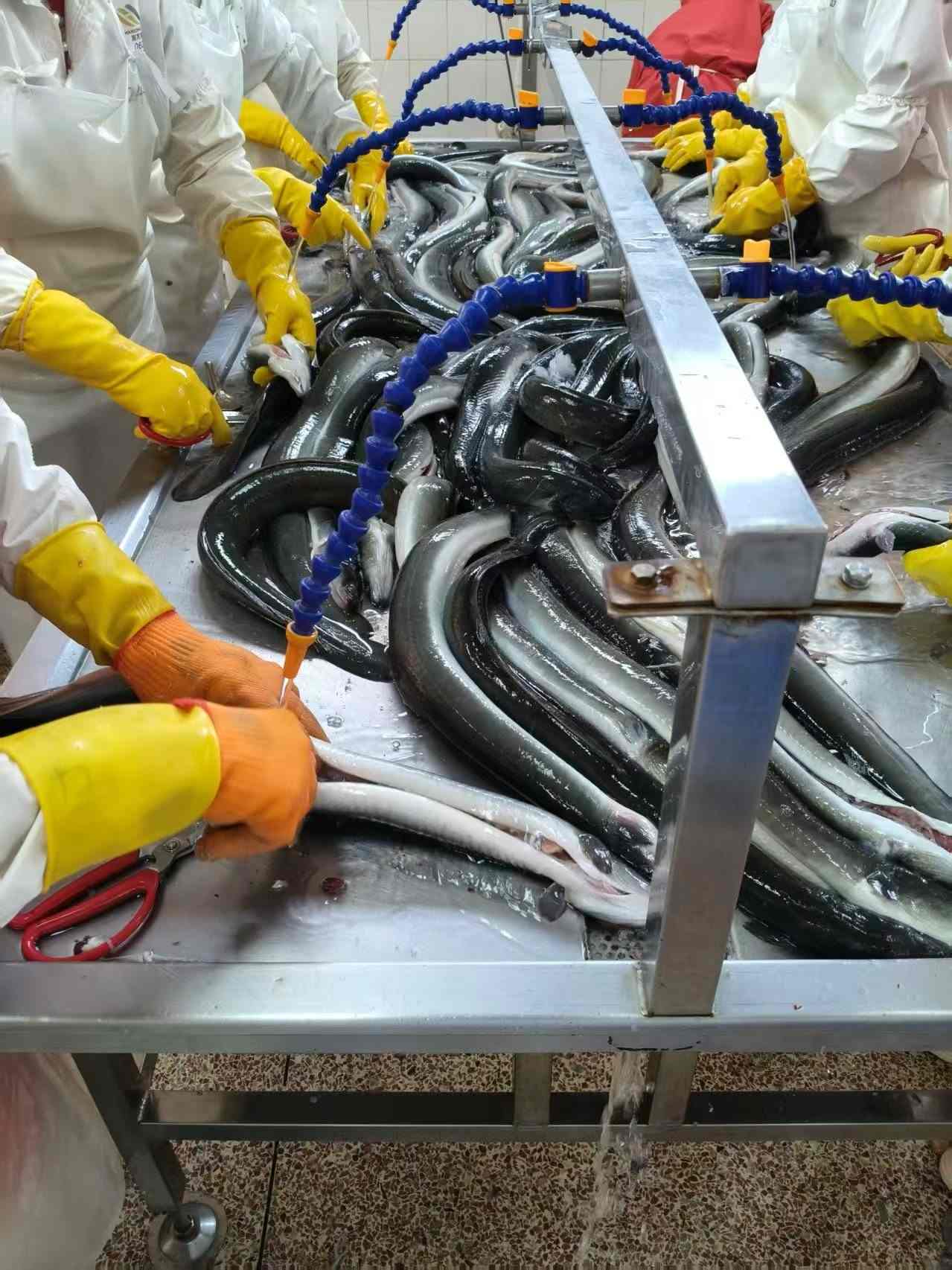
Unagi Means Freshwater Eel in Japanese, and That One Word Changes What You Should Order
You're staring at a sushi menu. It says "unagi" next to a picture of grilled eel on rice. Is that the same fish as the eel in your seafood market? Is it saltwater or freshwater? Get this wrong and you'll order the wrong dish, or worse, tell a supplier you want something you don't actually want. Unagi means freshwater eel — specifically, it refers to the Japanese eel, a species that lives in rivers and streams for most of its life. That single fact settles a surprising number of arguments at restaurant tables and in B2B sourcing calls alike.
This matters more than it sounds. Menus, import labels, and supplier catalogs often use "eel" loosely, mixing freshwater species with saltwater lookalikes like conger eel. If you're buying for a restaurant menu or sourcing frozen seafood for retail, the wrong species means the wrong texture, the wrong fat content, and possibly a dish that fails to meet what customers expect from real unagi.
What Does Unagi Mean in Japanese, Exactly
The word itself breaks down simply. In Japanese, 鰻 (unagi) is the general term for freshwater eel, and in nearly all culinary contexts it refers to Anguilla japonica, the Japanese eel. The unagi Japanese meaning has stayed consistent for centuries — it's not a brand name or a dish name, it's the species name for the fish itself.
Here's where people get confused. Japanese cuisine has several eel-adjacent words, and they are not interchangeable:
- Unagi (鰻) — freshwater eel, almost always Anguilla japonica or a close relative like the American eel (Anguilla rostrata) when Japanese stock runs short.
- Anago (穴子) — saltwater conger eel, a completely different species, lighter in flavor, less fatty.
- Unadon — not a species at all. It's the rice bowl dish topped with grilled unagi.
- Kabayaki — the preparation method: butterflied, grilled, and glazed with a sweet soy-based sauce. You can technically make kabayaki-style anago, but when a menu just says "kabayaki" without qualification, it almost always means unagi kabayaki.
So the unagi translation isn't "any eel." It's specifically freshwater eel, prepared a specific way, from a specific family of species.
Unagi vs Freshwater Eel vs Anago — The Boundary Buyers Keep Missing
This is the section that actually prevents costly mistakes, so let's be direct about it. Below is the practical boundary between these terms, because getting it wrong on a purchase order or a printed menu creates real problems — wrong species delivered, customer complaints, or a supplier shipping conger eel when you ordered true Japanese freshwater eel.
| Term | Species / Category | Habitat | Typical Use | What Happens If Confused |
|---|---|---|---|---|
| Unagi (鰻) | Anguilla japonica and related freshwater eels | Freshwater rivers, streams; some marine phase during spawning migration | Kabayaki, unadon, unajyu, sushi | Buyer expects rich, fatty freshwater eel — gets a leaner, different-textured fish instead |
| Anago (穴子) | Conger myriaster (conger eel) | Saltwater, coastal | Sushi, tempura, light grilling | Menu mislabeling; customers paying unagi prices for a cheaper saltwater species |
| Freshwater eel (general) | Any Anguilla species (Japanese, American, European) | Rivers, lakes, brackish estuaries | Farmed for unagi production worldwide | Species substitution without disclosure — a labeling and compliance risk in some markets |
| Kabayaki | Not a species — a cooking method | N/A | Applied mainly to unagi, occasionally anago | Buyers assume "kabayaki" always means unagi; some suppliers use it for cheaper fish |
The practical takeaway: if you're sourcing for a menu that promises "unagi," confirm the species on the packing list, not just the word "eel." A supplier invoice that says "eel fillet, kabayaki style" without a species name is a red flag. Ask for the scientific name — Anguilla japonica or Anguilla anguilla (European eel), which is also farmed and exported under the unagi label in some regions.
Common Mistakes Buyers Make With Eel Terminology
- Assuming "eel" on a label means freshwater eel. Many frozen seafood catalogs lump conger eel, moray, and true eel together under one generic term.
- Confusing kabayaki (a method) with unagi (a species). You can technically kabayaki other fish, but customers expect real freshwater eel when they see the word.
- Not checking whether the eel is wild-caught or farmed. Wild Japanese eel stocks are limited and heavily regulated; most commercial unagi kabayaki today is farmed, which is standard and expected in the trade.
- Overlooking sauce sourcing. Authentic-tasting kabayaki depends as much on the tare (eel sauce) as on the fish itself — a mismatched sauce can undercut an otherwise good eel.
Is Unagi Freshwater or Saltwater Eel — Why the Life Cycle Confuses People
Here's the part that trips up even seafood professionals: Japanese eel actually spends part of its life in the ocean. It spawns in saltwater near the Mariana Trench region, and the larvae drift toward East Asia before entering rivers as juveniles (glass eels). They then live most of their growth phase in freshwater — lakes, rivers, and eel farms replicate this stage. So when someone asks "is unagi freshwater or saltwater eel," the accurate answer is: it's classified as a freshwater eel because of where it spends its growth phase and where it's farmed, even though its full life cycle includes a marine spawning stage. This is consistent with how the International Union for Conservation of Nature and fisheries science classify catadromous species — fish that live in freshwater but migrate to the sea to breed.
For sourcing purposes, this biological detail matters less than the commercial reality: farmed Japanese freshwater eel is raised in freshwater ponds and tanks for most of its commercial life, which is why the freshwater classification sticks in culinary and import documentation.
Buying Freshwater Eel Sushi and Kabayaki — A Practical Checklist
Whether you're a restaurant buyer or a retailer stocking frozen seafood, use this checklist before placing an order:
- Confirm the species name on the specification sheet — not just "eel" or "unagi," but the Latin name.
- Check the preparation — is it pre-cooked kabayaki (glazed and grilled) or raw fillet requiring in-house cooking?
- Ask about the sauce. Some suppliers include eel sauce with kabayaki shipments; others sell it separately. If sauce quality varies, your final dish will too.
- Verify cold-chain handling. Frozen unagi kabayaki should arrive at consistent sub-zero temperatures with no signs of thaw-refreeze (visible ice crystals, discoloration).
- Request a sample before bulk ordering if you haven't worked with the supplier before — texture and fat content vary noticeably between eel sources.
For buyers building out a freshwater eel sushi program, the eel-to-rice ratio and sauce glaze thickness matter as much as sourcing. A supplier's unagi kabayaki product line should specify glaze composition, since a sauce that's too thin won't caramelize properly under a broiler, and one that's too thick will burn before the eel heats through.
Why the Sauce Matters as Much as the Species
Even with correctly sourced freshwater eel, a poor sauce ruins the dish. Traditional kabayaki tare is a reduction of soy sauce, mirin, sugar, and sometimes the eel's own bones for depth — not a generic teriyaki substitute. If you're comparing suppliers, ask how their eel sauce is made and whether it's aged or reduced fresh per batch, since aged tare tends to carry more layered flavor. Restaurants that have struggled with flat-tasting glaze often trace the problem back to sauce, not the fish — a distinction we've covered in more detail in our piece on what makes kabayaki sauce work.
When "Unagi" on a Menu Doesn't Mean What You Think
A quick scenario: a mid-size sushi restaurant in Europe imported "unagi kabayaki" from a broker without checking species documentation. The product turned out to be a cheaper freshwater eel substitute with a thinner fillet and less fat marbling than customers expected from traditional Japanese-style unagi. Complaints followed, and the restaurant had to switch suppliers mid-season. The fix was simple in hindsight: request the species name and a product photo before the first order, not after. This is a basic step, but it's skipped often enough that it's worth repeating here.
If you're building a menu around freshwater eel dishes, it also helps to have backup recipe ideas ready — for slow seasons or ingredient substitutions, our guide on cooking eel noodle soup shows how kabayaki-style eel adapts beyond the standard rice bowl format.
FAQ — Quick Answers on Unagi Terminology
What does unagi mean in Japanese?
It means freshwater eel, specifically referring to Anguilla japonica in most culinary and commercial contexts.
Why does unagi mean freshwater eel?
Because the species spends its main growth phase in rivers and freshwater ponds, even though it spawns in the ocean. Commercial and culinary classification follows the freshwater growth stage.
Is unagi freshwater or saltwater eel?
Freshwater, by classification and by where it's farmed — though its life cycle includes an oceanic spawning stage, which is typical of catadromous fish.
If you're sourcing frozen unagi kabayaki, eel sauce, or freshwater eel products and want species documentation and sample verification before committing to volume, reach out for a spec sheet and sample request — it's a quick way to confirm you're getting the freshwater eel your menu actually promises.