

Eel sauce unagi gives menus a sweet savory finish
A glossy grilled eel rice bowl arrives at the pass, but the sauce tastes flat, too heavy, or oddly sweet. What went wrong? Understanding eel sauce unagi means looking beyond the bottle name and judging how its flavor, body, and finish behave on real food.
For buyers, chefs, restaurant operators, and distributors, the term can create confusion. Eel sauce unagi, unagi sauce, and Japanese eel sauce are often used for closely related applications, especially alongside grilled eel. Yet the right choice depends on the menu item, the service method, and whether the sauce must brush, drizzle, dip, or hold its appearance in a prepared dish.
Know how eel sauce, unagi sauce, and kabayaki sauce relate
The practical answer is simple: eel sauce unagi usually refers to the sweet-savory finishing sauce associated with unagi dishes. In English-language foodservice, “eel sauce” and “unagi sauce” are often used interchangeably. Japanese eel sauce describes the same menu direction, while kabayaki sauce is more specific to the glaze used with the kabayaki style of grilled eel.
That distinction matters when building a product listing or reviewing a supplier sample. A buyer should not assume that every product called a sweet soy glaze will behave like a kabayaki sauce. “Sweet soy glaze” is a broader menu term. It can suit many proteins and vegetables, but its flavor balance and texture may not give a classic grilled-eel presentation.
| Menu name | How buyers usually use it | Best fit | Where confusion creates a problem |
|---|---|---|---|
| Eel sauce | A general sweet-savory drizzle, brush sauce, or dip | Sushi, rice bowls, grilled seafood, and appetizers | The name may be used broadly, so a buyer still needs to test flavor and body. |
| Unagi sauce | A sauce positioned with eel and Japanese-inspired dishes | Unagi kabayaki, unagi rolls, donburi, and grilled skewers | A restaurant may expect a traditional eel pairing but receive a sauce intended mainly for general glazing. |
| Kabayaki sauce | A finishing glaze for grilled kabayaki-style eel | Frozen unagi kabayaki and eel rice bowls | Using a thinner finishing sauce can leave the eel looking dry and reduce the expected lacquered appearance. |
| Sweet soy glaze | A broad descriptive term for sweet-savory Asian menu applications | Chicken, salmon, tofu, vegetables, and fusion items | It may be too generic for a menu that promises an unagi-style finish. |
The conclusion for sourcing is clear: buy by intended application, not by name alone. For a restaurant serving grilled eel rice bowls, request a sample that is evaluated directly on eel and rice. For a distributor building a broader Asian sauce range, evaluate whether the same eel sauce unagi can also work on seafood, prepared foods, and rice-based products. The limit is menu identity: a general glaze may work technically, but it may not support a menu positioned as kabayaki.
For a closer look at the category, see the eel sauce product page and compare it with the intended presentation of unagi kabayaki product.
Understand what each sauce parameter changes on the plate
A sauce sample should be assessed as a working foodservice component, not just tasted from a spoon. The important parameters of eel sauce unagi affect appearance, bite, portion control, and repeatability during service. Get one wrong and a well-planned dish can lose balance quickly.
| Parameter to evaluate | What it affects in practice | If the buyer gets it wrong | Best application | Limit to remember |
|---|---|---|---|---|
| Sweetness level | Controls first impression and how well the sauce rounds out smoky grilled notes. | An overly sweet sauce can cover the natural flavor of eel, seafood, or rice. A less sweet sauce may feel sharp beside rich eel. | Choose a rounded sweet profile for grilled eel bowls and family-style Japanese menus. | A sweeter profile is not automatically better for sushi rolls with already-seasoned fillings. |
| Saltiness and savory depth | Determines whether the sauce tastes like a finish or like the main seasoning. | Too much savory intensity can make a small drizzle dominate delicate fish. Too little can leave rice and eel tasting disconnected. | Use a balanced profile when one sauce must serve both kabayaki and seafood dishes. | Highly seasoned side dishes may need a lighter hand at plating. |
| Body and viscosity | Changes whether the sauce clings to grilled eel, sits attractively on rice, or runs into the bottom of a tray. | A thin sauce can look watery and disappear into rice. A very thick sauce can pool in a sushi roll or mask crisp fried surfaces. | Choose cling for brush glazing and controlled drizzles. | A sauce that looks excellent on eel may be too heavy for tempura or cold appetizers. |
| Finish after heating | Shows whether the sauce keeps a pleasant shine and an even coating after it meets hot food. | A finish that turns dull can weaken the visual appeal of premium grilled eel. A heavy finish can make food seem sticky. | Evaluate this on a hot grill item and on held rice bowls before approval. | Do not judge heated performance only from a cold sample. |
| Aroma balance | Shapes the first perception when a covered bowl is opened or a grilled dish reaches the table. | An aggressive aroma may overwhelm eel, while a weak aroma can leave a grilled menu item feeling unfinished. | Use a balanced aroma for dining rooms and prepared-food counters. | Different markets may prefer different levels of sweetness and aroma, so retain a local tasting panel. |
This is the technical buying point: eel sauce unagi should match the food surface and service style. A brush application needs controlled cling. A squeeze-bottle finish needs predictable flow. A dip needs enough body to coat food without becoming a thick layer. Do not approve a sauce based only on a tasting cup.
What does eel sauce unagi taste like on food
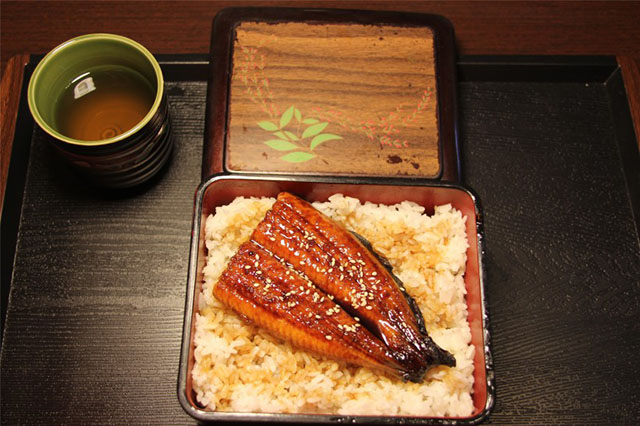
So, what does eel sauce unagi taste like? The expected profile is sweet, savory, glossy, and rounded rather than hot or acidic. On grilled eel, it should soften the rich, fatty character of the fish while adding a dark, appetizing finish. On plain rice, it provides enough seasoning to connect the eel, rice, and garnish into one bite.
The taste should develop in stages. First comes a gentle sweetness. Next comes savory depth. The finish should encourage another bite instead of lingering as a heavy candy-like coating. That is why a good unagi sauce can feel rich without making every component taste the same.
For menu positioning, describe eel sauce unagi as a sweet-savory Japanese-style glaze when speaking to customers who are unfamiliar with unagi. This is more useful than a vague “special sauce” label. It tells diners what to expect and gives operators a clearer reason to use it beyond eel alone.
Cold fact: the name “eel sauce” signals its well-known connection with eel, but it does not mean the sauce should only appear on eel dishes. Its real value is the contrast it creates: a dark glaze against pale rice, a savory finish against mild seafood, or a glossy top note on grilled vegetables.
Choose pairings by food texture and menu role
When buyers ask what foods pair with unagi sauce, the best answer is not “everything.” The sauce works best where its sweetness, savory character, and coating ability have something useful to do. Pair it with foods that are mild, grilled, rich, or neutral enough to benefit from a glossy finish.
- Frozen unagi kabayaki: This is the natural pairing. Use eel sauce unagi as a brush finish or plated drizzle when the goal is a familiar unagi bowl appearance. It does not apply when the eel already carries enough sauce for the intended presentation; adding more can make the dish feel heavy.
- Steamed rice and rice bowls: A light finishing application brings moisture and savory sweetness to plain rice. This fits donburi, bento, and takeaway bowls. It does not fit a bowl already built around strongly seasoned curry, kimchi, or spicy mayonnaise.
- Sushi rolls: Use a controlled drizzle over eel rolls, avocado rolls, or cooked seafood rolls. The visual contrast is attractive, and the sauce ties together mild fillings. Avoid a large amount on fried rolls because it can soften crisp coatings.
- Grilled salmon, shrimp, and scallops: The sauce can add a Japanese-inspired finish to grilled seafood. This is useful for mixed seafood menus and distributor product demonstrations. It is less suitable when the seafood is served raw or with a bright citrus-led flavor profile.
- Chicken skewers and grilled poultry: A kabayaki-style glaze gives grilled chicken a familiar sweet-savory direction. It suits casual Japanese dining and prepared-food counters. It may not fit menus aiming for a dry spice rub or smoky barbecue profile.
- Tofu, eggplant, mushrooms, and roasted vegetables: These foods absorb and carry a glaze well. They provide a useful vegetarian pairing for the same sauce program. Do not use a heavy coating on watery vegetables, where excess sauce can collect in the tray.
For menu development ideas around rice bowls, see these eel rice bowl ideas. For wider pairing inspiration, the eel flavor pairings guide can help buyers map sauce applications across a menu.
Use a foodservice tasting procedure before listing a sauce
How is eel sauce unagi used in foodservice? It can be brushed onto grilled items, drizzled at plating, supplied as a dip, or used as a finishing sauce in prepared dishes. Each role needs a separate test. A single spoon taste cannot predict all four outcomes.
- Define the primary application. State whether the sauce is for grilled eel, sushi, rice bowls, seafood, or a mixed menu. The conclusion should be one lead use, because a sauce positioned for every dish often has no clear selling point.
- Test it on the actual menu food. Evaluate it on hot eel or seafood, plain rice, and one cold or room-temperature item if the menu includes sushi or bento. This shows whether the flavor holds across service conditions.
- Compare brush, drizzle, and dip behavior. Observe whether the sauce coats, flows, or pools in a way that supports the intended plate. Select a brush-led use for grilled items and a controlled drizzle for rolls; do not force one style onto every format.
- Check visual consistency. Look for even coverage, an appetizing sheen, and clean plate presentation. This matters most for premium eel bowls and display-counter products. Visual appeal matters less for back-of-house sauces that are mixed into another preparation.
- Set a menu description. Use language such as “sweet-savory unagi glaze” when the dish needs a Japanese eel association. Use “sweet soy glaze” when the item is broader and not presented as an eel dish.
- Record the approved use. Give staff a clear plating instruction and product name. This reduces over-application, keeps dish identity consistent, and helps distributors explain the item accurately to restaurant accounts.
Avoid common buying and menu mistakes
- Mistake: treating all bottle names as equal. Eel sauce, unagi sauce, and kabayaki sauce may overlap, but intended use still needs confirmation. Ask to test the product on the specific food you sell.
- Mistake: using too much sauce to create flavor. The sauce should frame grilled eel and rice, not bury them. If a dish needs a large amount to taste complete, review the base seasoning and product pairing.
- Mistake: using the same application for hot and cold food. A generous brush on hot eel can be effective, while the same amount on a cold sushi roll can feel dense. Build separate plating instructions.
- Mistake: calling every glaze Japanese eel sauce. Use that positioning only when the flavor direction and menu pairing support it. A generic sweet soy glaze may still be useful, but inaccurate naming can disappoint diners and buyers.
- Mistake: ignoring the frozen eel pairing. When evaluating eel sauce unagi, test it with the frozen unagi kabayaki you intend to serve. Eel texture, rice style, garnish, and portion format all change the final impression.
For foodservice buyers building an eel-focused range, pair your sauce review with the available frozen seafood selection to identify where one sweet-savory sauce can support several menu items without losing its connection to grilled unagi.
Request product selection advice from Eelpro Co., LTD for your intended sauce application and menu format.