

What Is Unagi Don and Why This Eel Rice Bowl Matters in Japanese Cuisine
What is unagi don, and why does a simple bowl of rice topped with glazed eel feel so special on a Japanese menu? The answer is not only in the sweet-savory sauce or the glossy grilled fish. It is in the balance: warm rice, tender unagi, aroma from the grill, and a serving style shaped by long-standing dining customs.
For diners and foodservice professionals, what is unagi don is a useful question because the dish is often translated too broadly as “eel rice bowl.” That translation is correct, but incomplete. Unagi don carries specific Japanese terminology, menu expectations, and etiquette that help distinguish it from other rice bowls and other eel dishes.
Understanding the Name Behind the Bowl
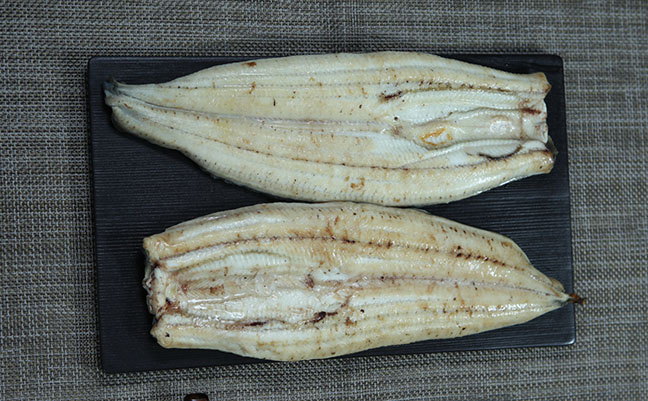
The shortest answer to what is unagi don is this: it is a Japanese rice bowl topped with grilled freshwater eel, usually prepared in kabayaki style and brushed with a sweet-savory tare sauce. “Unagi” means freshwater eel. “Don” is a shortened form of donburi, a Japanese bowl meal built around rice and toppings.
The unagi don meaning is therefore quite direct: eel bowl. Yet the name signals more than ingredients. On a menu, it tells the guest that rice is the foundation of the dish, not a side item placed beside the eel. The bowl is designed to be eaten together, allowing the sauce to season the rice below while the eel remains the center of attention.
| Term | What It Refers To | Why It Matters on a Menu | When the Term Does Not Apply |
|---|---|---|---|
| Unagi | Freshwater eel in Japanese cuisine | It identifies the protein and distinguishes the dish from marine fish bowls. | It should not be used as a general label for every eel species or every eel preparation. |
| Donburi | A rice bowl dish | It tells the diner that the topping and rice are served as one complete meal. | It is not the best description for eel presented separately from rice. |
| Unagi don | Grilled eel served over rice | It gives guests a clear expectation of a warm, filling bowl meal. | It does not describe an eel sushi roll, eel appetizer, or noodle dish. |
| Kabayaki | A grilled, glazed style often used for unagi | It signals caramelized sauce, grilled aroma, and a familiar flavor profile. | It should not be used for plain steamed or smoked eel unless that preparation is actually served. |
For a restaurant menu, the practical conclusion is simple: use “unagi don” when the dish is a rice bowl with glazed eel as the main topping. This fits Japanese restaurants, Asian fusion concepts, and premium quick-service bowl menus. It does not fit a plate where eel, rice, and sauce are intentionally separated.
Guests who want to understand the eel itself can also compare the finished product with this unagi kabayaki product reference. Kabayaki is the preparation style that gives the bowl its recognizable sheen and savory-sweet finish.
How Unagi Don Became Part of Japanese Eel Cuisine
The unagi don history is closely linked to the growth of urban dining culture in Japan. Eel was valued as a satisfying food, and serving it over rice made the meal practical, fragrant, and easy to eat. Rice absorbed the sauce, while the grilled eel brought richness and aroma. That pairing turned a prized seafood dish into a complete bowl meal.
When people ask why is unagi eaten in Japan, the answer includes seasonality, flavor, and tradition. Freshwater eel has long been appreciated for its rich texture and its ability to take on the flavor of charcoal grilling and tare. It is often associated with periods when diners seek hearty food, particularly during warm weather. The appeal is sensory as much as cultural: sweet glaze, light smoke, soft flesh, and steamed rice make a comforting combination.
What is unagi don in this historical context? It is a format that made eel more accessible as a meal. Instead of serving grilled eel as an isolated specialty, the bowl combines it with rice that carries every drop of sauce. For foodservice teams, this matters because the dish is expected to feel integrated. A beautiful eel portion served over dry, bland rice will miss the point.
The conclusion for menu planning is to treat unagi don as a composed dish rather than merely a plated protein. It suits menus that value recognizable Japanese comfort food and premium bowl meals. It does not suit concepts that want a very light, raw, or sharply acidic seafood profile; the identity of the dish is warm, grilled, and gently sweet.
A useful distinction between unagi don and unaju
Another common question around what is unagi don concerns “unaju,” often written as unagi jubako. Both dishes center on glazed grilled eel and rice. The difference is mainly presentation. Unagi don is served in a bowl, while unaju is often presented in a lacquer-style box.
- Choose unagi don for a relaxed, direct bowl presentation. It works well for lunch menus, casual Japanese dining, and rice-bowl programs.
- Choose unaju when a restaurant wants a more formal visual presentation. The box can make the dish feel more ceremonial or premium.
- Do not assume the vessel changes the core flavor. The sauce, eel preparation, rice quality, and service condition affect the eating experience more than the bowl-versus-box choice.
A small cultural detail: the dish may look simple, but serving ware shapes expectations. A deep bowl suggests warmth and abundance. A boxed presentation suggests occasion and care.
What Each Serving Parameter Actually Changes for the Diner
To explain what is unagi don properly, it helps to look beyond the name. Each component affects the finished bowl in a different way. This technical breakdown is useful for chefs, menu developers, and buyers evaluating whether a prepared eel format fits their intended service style.
| Serving Parameter | What It Changes in Practice | What Happens When It Is Wrong | Best-Fit Scenario |
|---|---|---|---|
| Rice texture | Rice carries sauce and supports the eel without competing with its soft texture. | Dry rice makes the bowl feel disconnected; overly wet rice can make the sauce taste diluted. | Use freshly cooked rice with separate grains and enough moisture to accept the glaze. |
| Eel portion placement | Placement determines whether the diner gets eel and rice together in each bite. | A narrow strip placed only on one side leaves much of the rice unseasoned and visually plain. | Arrange eel across the rice surface so the bowl reads as a complete dish. |
| Tare coverage | Sauce provides sweetness, saltiness, color, and the familiar kabayaki aroma. | Too little sauce produces bland rice; excessive sauce can hide the eel’s grilled character. | Brush or drizzle with restraint, then offer extra sauce separately if the concept allows. |
| Service condition | Warm rice and properly reheated eel create the soft, fragrant contrast diners expect. | Cold rice or poorly warmed eel can make the glaze feel heavy and the texture less appealing. | Use a service process that brings rice and eel together close to the point of serving. |
| Garnish choice | Garnishes can add freshness, color, or a gentle aromatic lift. | Strong garnishes may overpower the eel and turn a classic bowl into a confused flavor mix. | Use restrained accents that support, rather than dominate, the grilled eel. |
The key conclusion is that unagi don depends on balance, not excess. This applies to a traditional Japanese restaurant and to a modern bowl counter. It does not mean every restaurant must copy one fixed presentation; regional style, menu price point, and house identity can vary. The limit is clear: changes should still allow diners to recognize eel, rice, and kabayaki sauce as the heart of the dish.
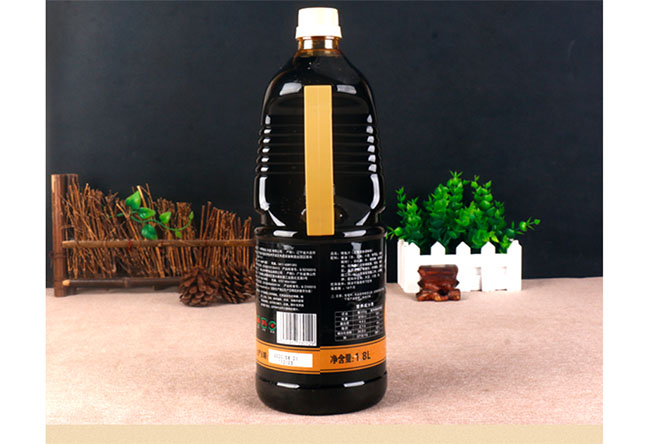
For teams studying sauce as a menu component, the eel sauce product page explains the role of unagi tare in a more focused way. Sauce is not just a topping here. It links the grilled eel to the rice underneath.
How Is Unagi Don Traditionally Served and Eaten
How is unagi don traditionally served? It is generally presented as grilled, glazed eel over steamed rice in a bowl. The eel may be cut into manageable pieces before serving, which makes it easier to eat with chopsticks. A light brushing of tare on the eel and rice is common, and the meal may be accompanied by soup, pickles, or a mild side dish depending on the restaurant.
What is unagi don without the rice beneath it? It becomes a different kind of eel serving. The rice is not an afterthought. It tempers the richness of the eel and captures sauce that would otherwise remain on the plate.
For diners unfamiliar with unagi don etiquette, the best approach is relaxed and respectful. There is no need for complicated ceremony. Eat from the bowl with chopsticks, taking eel and rice together when possible. If extra tare is provided, add it gradually rather than soaking the entire bowl at once.
- Take mixed bites. This is the intended balance of eel, sauce, and rice. Eating all the eel first leaves plain rice behind.
- Add extra sauce carefully. Start with a small amount because the eel is commonly glazed already. This suits diners who prefer a stronger sweet-savory taste; it does not suit those seeking a lighter grilled flavor.
- Use pickles as a palate reset. Their sharper taste can refresh the mouth between rich bites. Do not treat them as a substitute topping for the eel.
- Respect the bowl’s warmth. Unagi don is generally best appreciated soon after it is served, when the glaze remains fragrant and the rice is still soft.
Common Mistakes When Describing or Serving Unagi Don
Understanding what is unagi don also means knowing what it is not. These mistakes can confuse diners, weaken menu descriptions, or create an eating experience that feels less connected to Japanese eel cuisine.
- Mistake: Calling every eel dish “unagi don.”
Use the name only when eel is served over rice. A grilled eel appetizer or sushi roll needs its own accurate label. - Mistake: Translating it only as “barbecue eel.”
The grill and glaze matter, but the rice-bowl format is part of the identity. Describe both elements. - Mistake: Hiding the rice under excessive garnish.
Unagi don should visibly communicate eel over rice. Heavy salad-style toppings fit a different menu idea. - Mistake: Treating tare as an optional afterthought.
The sauce gives kabayaki much of its familiar character. A diner expecting a classic bowl may find plain eel unexpectedly muted. - Mistake: Confusing unagi with anago.
Unagi refers to freshwater eel, while anago generally refers to saltwater conger eel. They have different textures, flavor associations, and common serving styles.
Cold fact: the word “don” does not refer to the eel at all. It refers to the bowl meal format. That is why Japanese menus can use the same ending for many rice bowls with different toppings.
For home cooks and menu researchers who want to compare bowl garnishes without losing the character of the dish, these eel rice bowl toppings offer useful serving ideas. The practical limit is to keep the eel’s grilled flavor recognizable.
Where Unagi Don Fits on Modern Restaurant Menus
For international foodservice professionals, what is unagi don is also a menu-positioning question. The dish fits naturally as a premium rice bowl, a signature Japanese main course, or a lunch set centerpiece. Its appearance is immediately understandable: glossy grilled eel, steamed rice, and a warm bowl format.
A clear menu description should mention the main components rather than relying on Japanese terminology alone. “Grilled freshwater eel with kabayaki sauce over steamed rice” gives first-time diners enough information to order confidently. Keep “unagi don” in the item name for authenticity, then add the explanation underneath.
The best conclusion for a menu writer is to preserve both clarity and cultural context. Use the Japanese name, explain the preparation, and avoid calling it a generic seafood bowl. This approach suits restaurants serving guests with mixed familiarity with Japanese food. It may not be necessary for a menu aimed entirely at experienced Japanese-cuisine diners, where a shorter description can be enough.
What does unagi don mean in Japanese cuisine? It means more than eel and rice placed in the same bowl. It represents a familiar Japanese way of turning grilled eel into a satisfying, balanced meal. The rice absorbs the sauce. The eel provides richness. The bowl brings the elements together.
For selection advice on frozen unagi kabayaki or unagi tare for your menu format, contact Eelpro Co., LTD Technical Team.